Inquire (

 HOME
Jewelry Box Made in China: What Overseas Buyers Should Verify
 Nov 07,2026

 BOYANGPACK
A country label is a starting clue for a buyer, not evidence that a particular box will fit or arrive as expected. A jewelry box made in China should be assessed through its actual maker, approved construction, documented origin, and delivered condition. For an overseas jewelry brand, the useful question is which claims can be tied to the specific product and order rather than inferred from a listing or photograph.
What the Origin Description Does and Does Not Tell You
“Made in China” describes a claimed manufacturing origin. It does not identify the factory, define the materials, establish quality, or say who is responsible for export packing. A company may design, sell, assemble, or source different components in different places. The buyer should ask which entity makes the finished box and what part of the work is performed there.
Origin also does not replace a destination-market review. Any label wording, import documentation, material declaration, or environmental statement should be checked for the actual product and destination with the parties responsible for compliance. Requirements can differ by market and change over time. A website's general factory address is useful context but is not a substitute for order-specific documents.
Separate three questions in the inquiry: Who is the contracting supplier? Where is this box produced or substantially processed? What evidence will accompany the shipment? Keeping these questions distinct prevents a buyer from treating an office address or a product category title as proof of origin.
Verify the Company Behind the Quotation
Confirm the supplier's legal business name, contact details, manufacturing role, and the location relevant to this order. Ask how design, sampling, box production, insert production, and final packing are handled. A direct manufacturer and a trading partner can each be workable, but the buyer needs a clear answer about who controls changes and who resolves a production issue.
Review company information alongside a current quotation and product-specific communication. Boyang's public company page identifies Shenzhen Boyang Packing and describes jewelry boxes among its product lines. That supports a conversation about its business scope, while the proposed box, site of production, and order terms still require confirmation for the buyer's project.
Ask the supplier to name the person who owns the sample, the approved specifications, and shipment communication. If a factory visit, video review, or independent inspection is important to the purchasing decision, agree on its scope before placing the order. Do not use a generic claim of experience, certification, or capacity as a substitute for evidence relevant to the specific box.
Approve the Actual Box, Not a Catalog Photograph
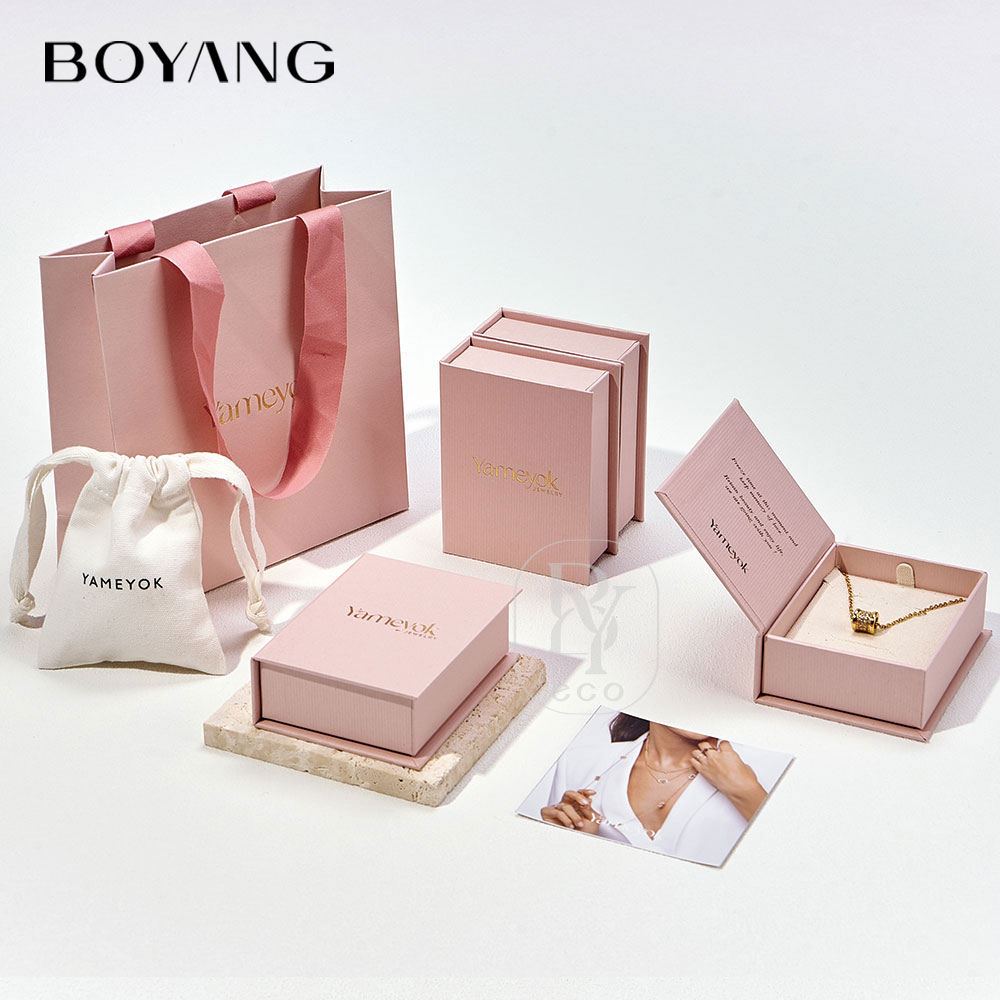
A catalog image can show a design direction, but it cannot establish the internal fit, material composition, closure behavior, or repeatability of a future order. Request a sample that represents the proposed structure and decoration. Pack the real jewelry, close and reopen the box, and inspect how the piece sits after ordinary handling. Record any difference between the sample and the intended specification.
Compare features that matter to the buyer's use: outside and usable inside dimensions, insert retention, opening force, visible finish, logo position, edge condition, and compatibility with the outer shipper. A soft-looking insert should not be assumed harmless for every metal, coating, or stone. Ask the jewelry team to assess contact surfaces when a product is sensitive.
Approval should identify a specific sample and file version. If the supplier proposes another material or a different insert, review the change on its own merits. The buyer can then distinguish a variation that has been tested from one accepted only because it looks similar in a photograph. This is a practical quality check, independent of the country named in the product listing.
| Claim or decision | Useful evidence | What it cannot prove alone |
|---|---|---|
| Company identity | Current legal name and matching quotation | Where every production step occurs |
| Product appearance | Approved physical sample and artwork | Future batch consistency without checks |
| Manufacturing origin | Order-specific origin statement and shipment documents as applicable | Fit, finish, or destination compliance |
| Delivery condition | Agreed carton packing and receiving inspection | A guaranteed outcome on every route |
Match Documents, Packout, and Delivery Terms
Ask what will appear on the commercial paperwork and how the boxes will be described. The order, invoice, packing list, and any requested origin documentation should refer to a consistent product and quantity. The buyer's importer or customs adviser should determine which documents and markings are needed for the destination. Avoid assuming a supplier's standard document set meets every market's requirements.
Define the shipping handoff in the quotation. Who packs the finished boxes into cartons, who arranges transport, and when does responsibility transfer under the agreed terms? Ask for carton dimensions, gross weight, and packing method before approving a route. Rigid presentation boxes may occupy substantial space, so freight and receiving conditions belong in the purchase decision.
Plan an inspection at receipt against the approved sample and purchase order. Check carton condition, format counts, visible box damage, branding, and selected samples of fit and closure. Document discrepancies promptly and use the agreed remedy process. An inspection cannot make every box perfect, but it gives the buyer a concrete basis for discussing a mismatch.
Keep a Short Decision Record
One page can capture the purchase decision: supplier identity, box specification, approved sample, claimed production location, requested documents, delivery terms, and unresolved questions. Give each point an owner and a source. A sourcing team can then see which facts were verified and which are still assumptions before releasing an order.
For a jewelry box made in China, the public company profile can be one source for Boyang's stated location and business scope. The specific project's origin, materials, commercial terms, and conformity evidence must come from current supplier communication and appropriate documents. A buyer should retain the final approved versions for future reorders.
Industry articles about choosing China-based jewelry box suppliers and packaging partners raise useful questions about manufacturer identity, materials, quality checks, and logistics. This article applies those questions to a product-level evidence trail; it does not adopt competitor price comparisons, lead times, certification claims, or performance statistics.
Questions Buyers Ask About China-Sourced Jewelry Boxes
Does a China factory address prove this box was made there?
No. An address identifies a company location, while a particular box may involve several sites or partners. Ask the supplier where the finished product is produced and which documents support the origin description for the order. Confirm any required marking or import treatment with the responsible customs or compliance adviser.
Is country of origin a measure of jewelry box quality?
No. Quality should be judged against the agreed design and the delivered product. Review a representative sample, identify critical fit and finish requirements, and agree on how deviations will be handled. Origin may matter for documentation and purchasing policy, but it does not replace product testing.
What should be checked in a sample?
Check the actual jewelry inside the box, not just the exterior appearance. Examine usable dimensions, insert hold, closure, surfaces that touch the piece, logo position, and how the box fits its outer packaging. Record the sample version. Repeat affected checks if the material, structure, or decoration changes.
Can an overseas buyer rely on a website certification claim?
A website claim is a prompt to request evidence, not a complete verification. Ask for the current document, the named legal entity, its scope, and whether it applies to the relevant site or product. Do not assume a company-level certificate covers every material or box. Review market-specific requirements with a qualified adviser.
Which shipment details should be settled before ordering?
Confirm the destination, packing method, carton information, delivery terms, document responsibilities, and expected schedule for this order. Ask who will resolve damage or discrepancies and how they must be reported. These points affect the delivered value of the boxes and should be written into the commercial agreement rather than inferred from the catalog.
Use the origin phrase to open a traceable set of questions. Once the maker, sample, documents, and delivery responsibilities are clear, the buyer can evaluate the proposed box on evidence relevant to its own jewelry and market.
 Custom Jewelry Boxes Bulk: Plan Quantity, Storage, and Reorders
Custom Jewelry Boxes Bulk: Plan Quantity, Storage, and Reorders
Nov 04,2026
Custom Jewelry Box Manufacturer: Control the Design Handoffs
Nov 02,2026
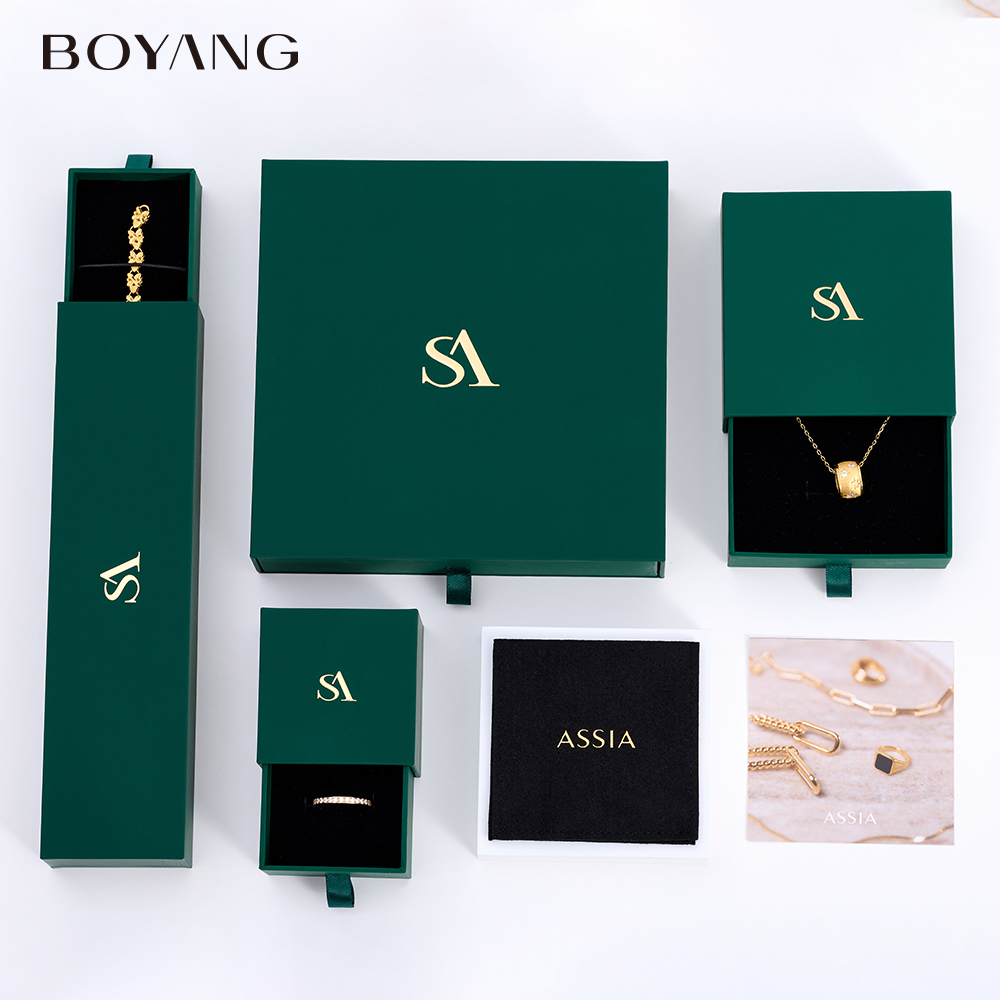
Jewellery Packaging Boxes: Choose a Range That Fits Every Piece
Oct 30,2026
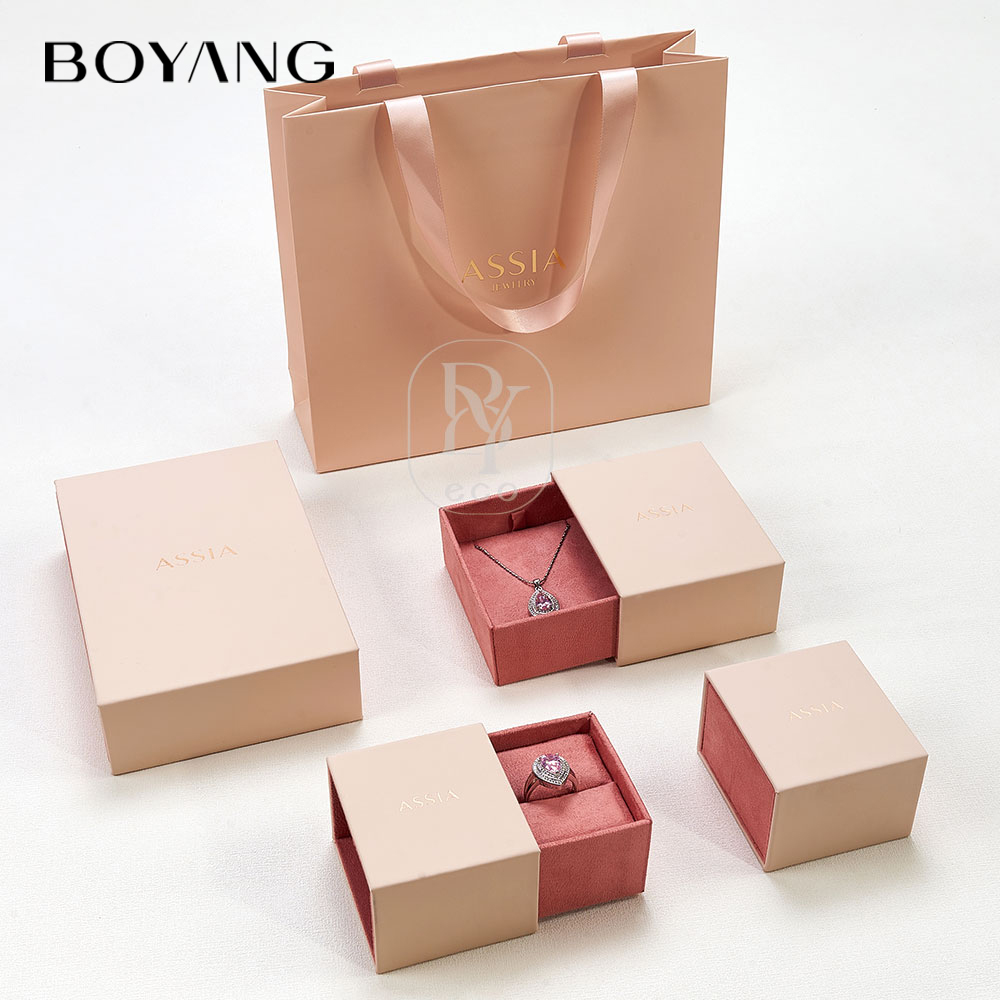
Customized Jewelry Box: Fit, Finish, and Practical Design Choices
Oct 28,2026
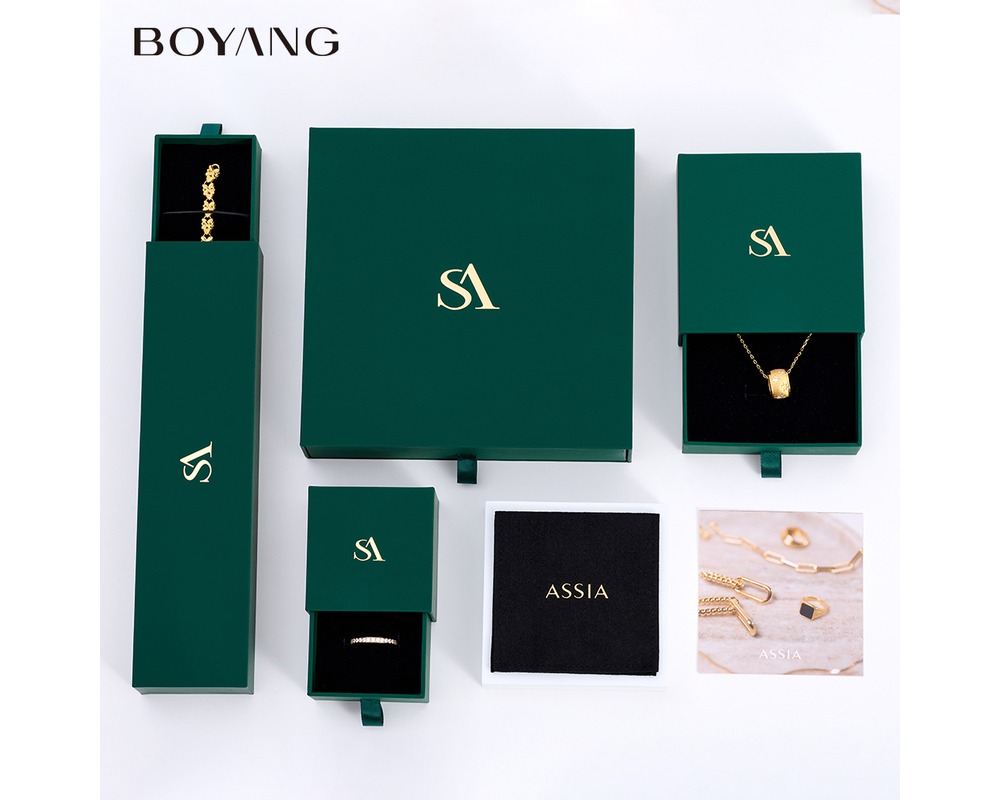
Custom Jewelry Packaging for Small Business: Start With Less
Oct 21,2026
 You May Also Like


 Tel
 Email
 Address
Bldg 5,Zhenbao Industrial Zone Longhua,Shenzhen,China

Boyang Packing
 Whatsapp