Inquire (

 HOME
Custom Jewelry Box Manufacturer: Control the Design Handoffs
 Nov 02,2026

 BOYANGPACK
A custom jewelry box manufacturer needs an approved brief, a tested sample, and clear change records to reproduce the box a brand expects. The most useful buyer task is to connect artwork, structure, insert, finish, and packing instructions so that a change in one area does not quietly invalidate another. A disciplined handoff can prevent avoidable ambiguity without assuming that every project follows the same factory process.
Give Every Decision a Place in One Brief
Start with the jewelry itself: its packed dimensions, weight where relevant, surface sensitivity, and desired orientation when the box opens. Include photographs of the actual product, not only a rendering. A manufacturer can propose a structure more usefully when it knows whether a chain must be restrained, a ring must stand upright, or a bracelet needs room to retain its natural curve.
Next define what the customer will see and touch. Specify the box style, intended exterior color, logo artwork, finish direction, and insert appearance. State which choices are fixed brand requirements and which are open to a supplier's proposal. If the design belongs to a family of boxes, say which details must match across sizes. Separate visual preferences from measurable acceptance criteria; “premium feel” alone gives neither side a reliable way to approve a sample.
Document the packing route as part of the brief. A presentation box used in a store has different handling needs from one nested in an ecommerce shipper. The team should identify any pouch, card, sleeve, ribbon, or outer carton that must fit with the box. The manufacturer's catalog can show possible structures, but the brief should describe the customer's actual configuration.
Assign a version to each artwork file and specification. A single approval record should identify the current drawing, color reference, logo file, insert layout, and intended jewelry. This simple practice matters when a buyer asks for a late visual adjustment: everyone can tell which version the sample represented and which version is being priced.
Use the Physical Sample as a Decision Gate
A sample is a working test, not merely a photograph for marketing approval. Pack the intended jewelry, close the box, move it in the way staff or customers will handle it, reopen it, and remove the piece. Look for shifting, abrasion, awkward access, trapped chains, distorted inserts, and any surface that contacts the jewelry unexpectedly.
Check the physical design separately from its decoration. A correct logo and color can distract from a loose insert; a secure insert can hide an inconsistent lid fit or poorly aligned edge. Record comments by feature and describe the required correction. “Please improve the box” is much harder to act on than an observation such as “the pendant rotates when the closed sample is tilted.”
Photograph the sample with the jewelry inside and keep a record of the version reviewed. When a correction is made, test the affected feature again and consider whether it changes another feature. A deeper insert, for example, may improve retention but reduce how easily a customer lifts the piece. Approval should mean that the full presentation was checked, not that one attractive angle looked right.
Make the Quotation Match the Approved Scope
A useful quotation identifies exactly what is included. Box structure, exterior covering, decoration, insert, accessories, and packing method can each affect the work. Buyers should ask the supplier to distinguish included components from optional ones and to state the version of the specification used for pricing. Two quotes are not comparable if one includes a fitted insert and the other does not.
| Decision | Evidence to retain | Question before approval |
|---|---|---|
| Structure and dimensions | Drawing and measured sample | Does the quoted format match the tested format? |
| Insert | Material proposal and packed sample | Will it hold the actual jewelry without damage? |
| Branding | Approved artwork and color reference | Is the decoration method the one sampled? |
| Packing and delivery | Packout instruction and agreed terms | Which protective layers and services are included? |
Ask separately about minimum order, sampling charges, tooling, production timing, payment, inspection, and delivery terms. These are project-specific commercial conditions, not facts to infer from a product category page. If more than one box size is involved, obtain a breakdown by format so that a change to one style does not obscure the cost of the rest.
Control Changes After Sample Approval
Many packaging problems begin after a sample has apparently been approved. A new logo size, different paper, alternative insert, or revised jewelry dimension may seem minor in isolation. Each can affect fit, appearance, cost, or how the box is assembled. Treat a change as a new decision that must be evaluated against the approved sample.
Keep a short change record: what changed, why it changed, which formats are affected, whether a new sample is required, and who approved the result. Send updated files with unambiguous names. Avoid instructions scattered across an email chain where an older attachment can be mistaken for the final version.
For appearance changes, compare the revised sample beside the original reference under consistent lighting. For fit changes, repeat the physical jewelry test. If a supplier proposes substituting a material or process, ask for the reason and a sample or other suitable evidence before accepting it. A verbal statement that the replacement is “equivalent” does not tell the buyer whether the visible and functional requirements still hold.
Check the Release Package Before Production
Before production is released, gather the final specification, drawings, artwork, color references, approved sample identifier, quantity by format, and packing instructions in one place. Confirm that the manufacturer acknowledges the same versions. This handoff is especially valuable when design, sourcing, and the supplier's production team communicate through different people.
Agree on what will be checked during production and before shipment, but do not assume a particular inspection method exists. The checks should reflect the approved box: dimensions, opening and closure, insert placement, logo position, visible finish, and packout. Decide in advance how a deviation will be reported and resolved. The buyer's own receiving team should know which sample or specification to compare against.
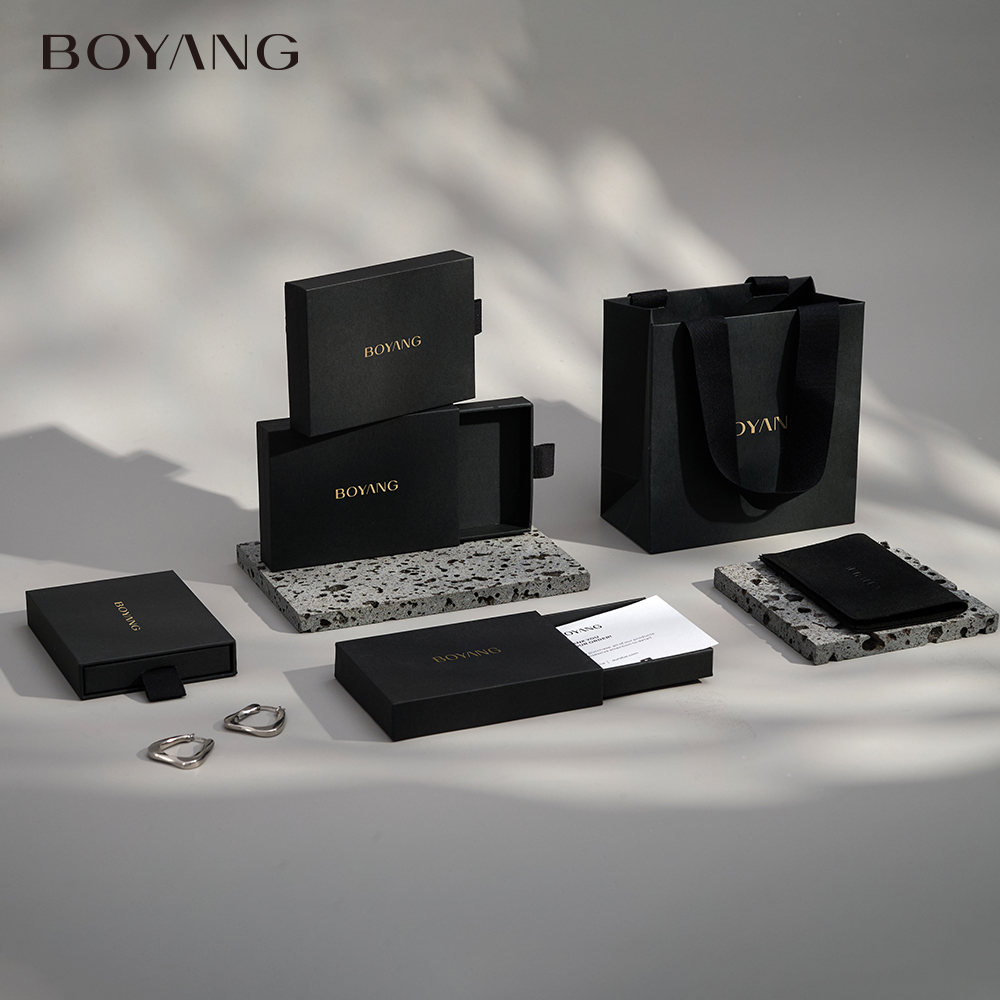
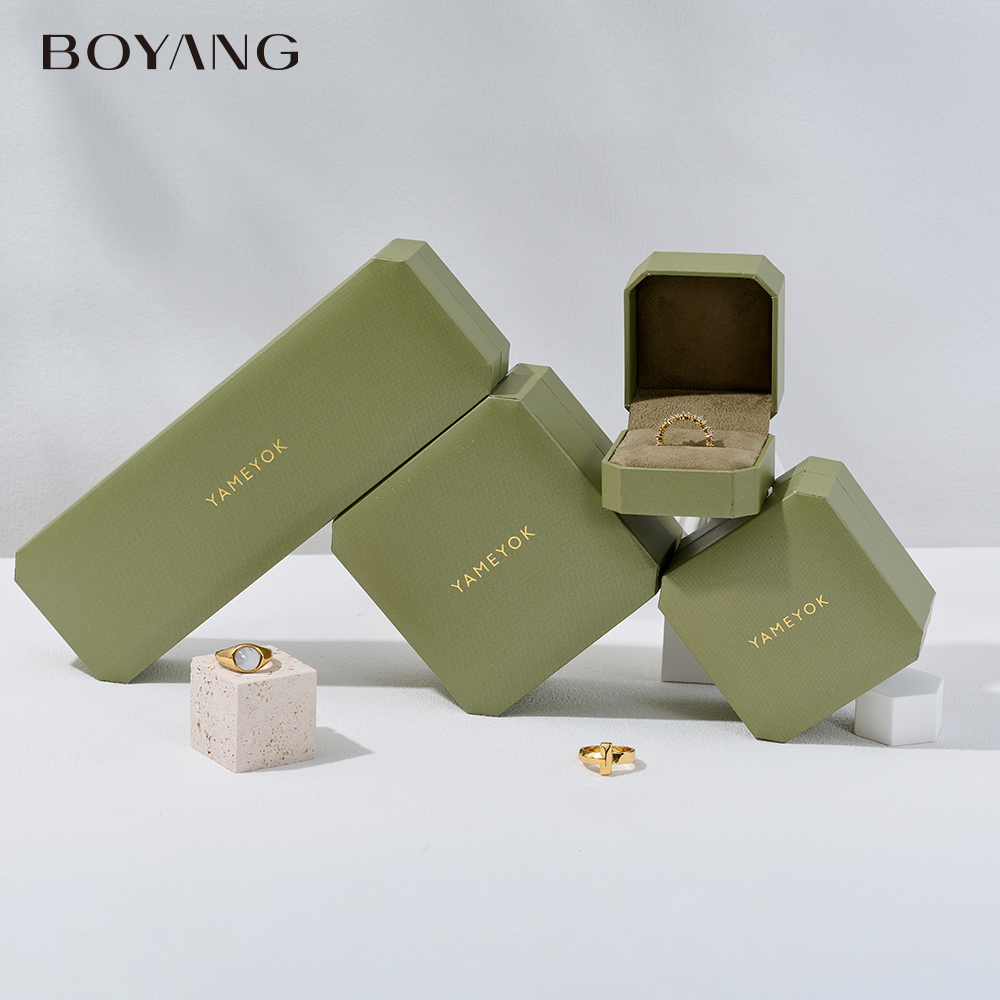
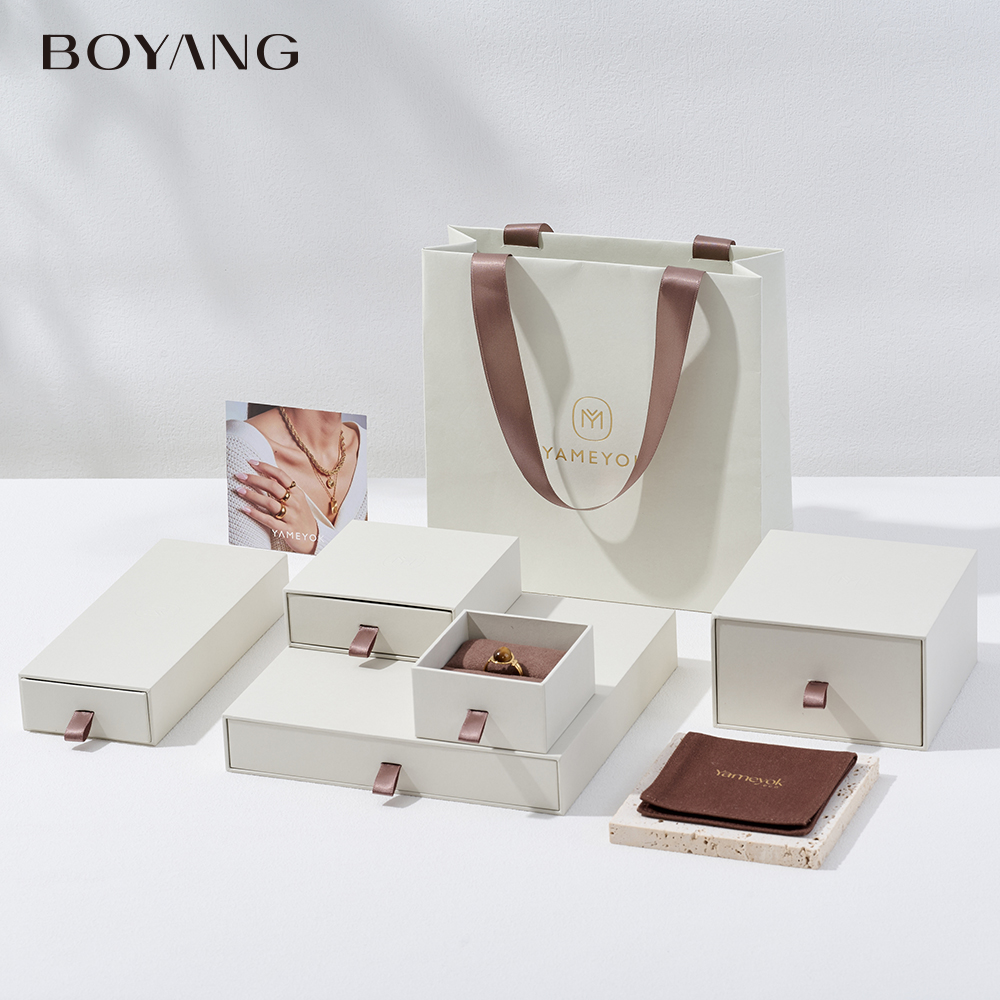
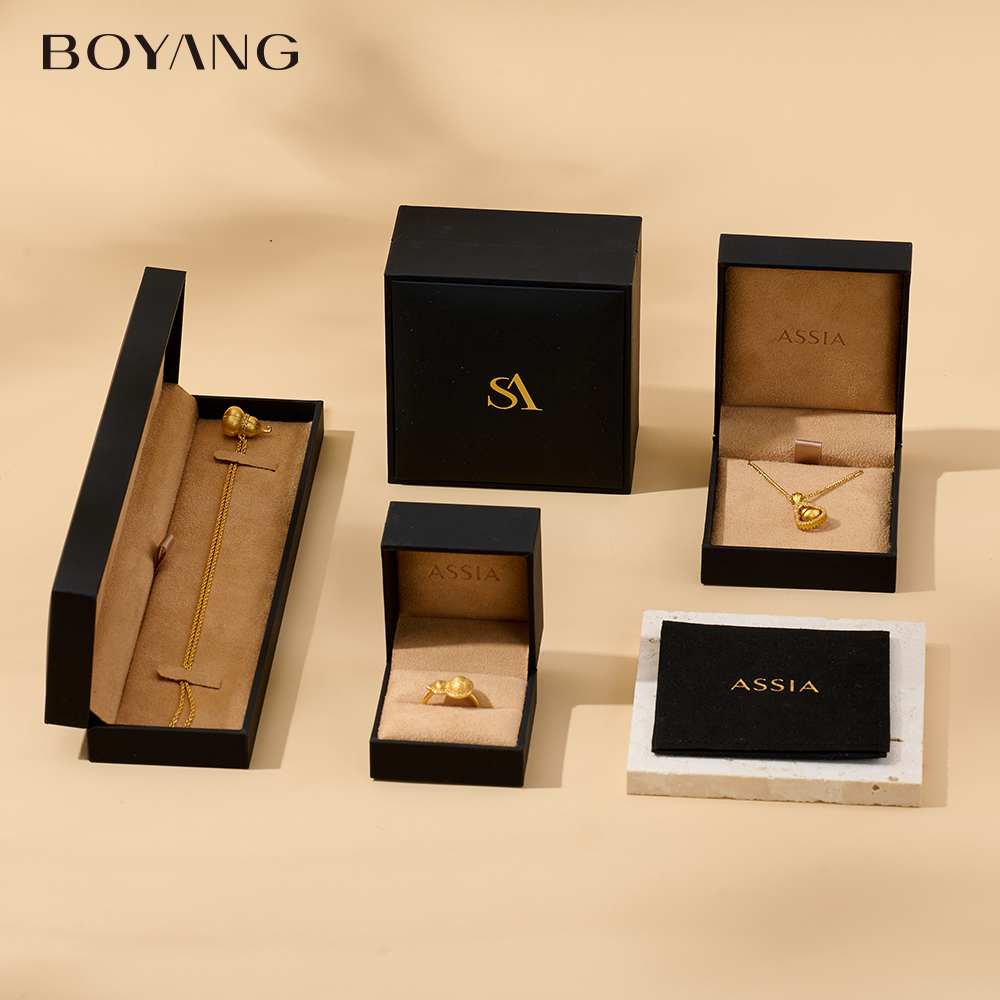
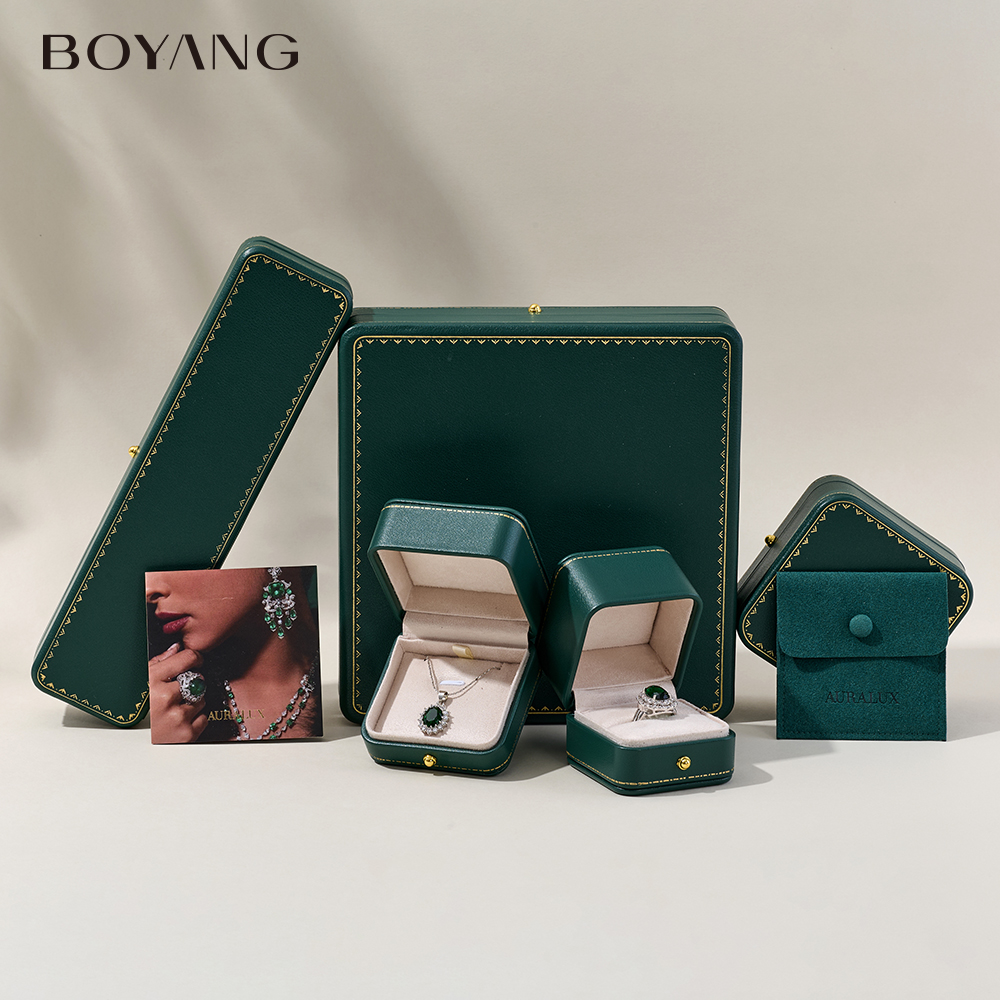
Boyang's custom jewelry box manufacturer product examples show that box material, logo treatment, and insert can vary. That range of options makes exact specification more important. Use the examples to start a discussion, then request confirmation for the specific construction and commercial terms your project needs.
Buyer Questions About Custom Box Manufacturing
What should be approved before a custom box order?
Approve the actual jewelry fit, box structure, insert, artwork, color reference, finish, and packout using a documented sample and current specification. The quotation should refer to that same scope. Confirm order quantities and commercial terms separately. A picture of the exterior alone does not establish how the packed product will behave.
Can a supplier quote from a reference photograph?
A photograph can communicate style, but it rarely defines dimensions, construction, insert, decoration, or packing. Use it as a starting point and ask which assumptions the supplier made. Send the real jewelry and a written brief before treating a price as comparable with another offer. Verify the final scope in a sample.
When does a design revision require another sample?
Request another test when a revision may alter fit, appearance, assembly, or material contact with the jewelry. The affected feature should be checked on a physical example. A simple artwork correction may need a different approval path from a structural change; agree on that path with the manufacturer before the revision is released.
How should a brand compare manufacturers' quotations?
Give each manufacturer the same version of the brief and ask for a scope breakdown. Compare the box, insert, decoration, accessories, packing, sampling, inspection, and delivery conditions together. A lower number may reflect a different specification rather than a better offer. Confirm any missing or optional item before making a decision.
What records help with a later reorder?
Keep the final artwork, specification, color references, approved sample, quantity by format, and agreed packing instructions. Note any accepted change after the first run. A reorder should begin by confirming that the same materials and processes remain available; otherwise, review the proposed difference before assuming the result will match.
A custom project becomes easier to manage when every important handoff points to the same approved design. Prepare the brief, test the packed sample, align the quote, and release only a clearly identified version for production.
 Custom Jewelry Boxes Bulk: Plan Quantity, Storage, and Reorders
Jewellery Packaging Boxes: Choose a Range That Fits Every Piece
Jewellery Packaging Boxes: Choose a Range That Fits Every Piece
Oct 30,2026
Customized Jewelry Box: Fit, Finish, and Practical Design Choices
Oct 28,2026
Custom Jewelry Packaging for Small Business: Start With Less
Oct 21,2026
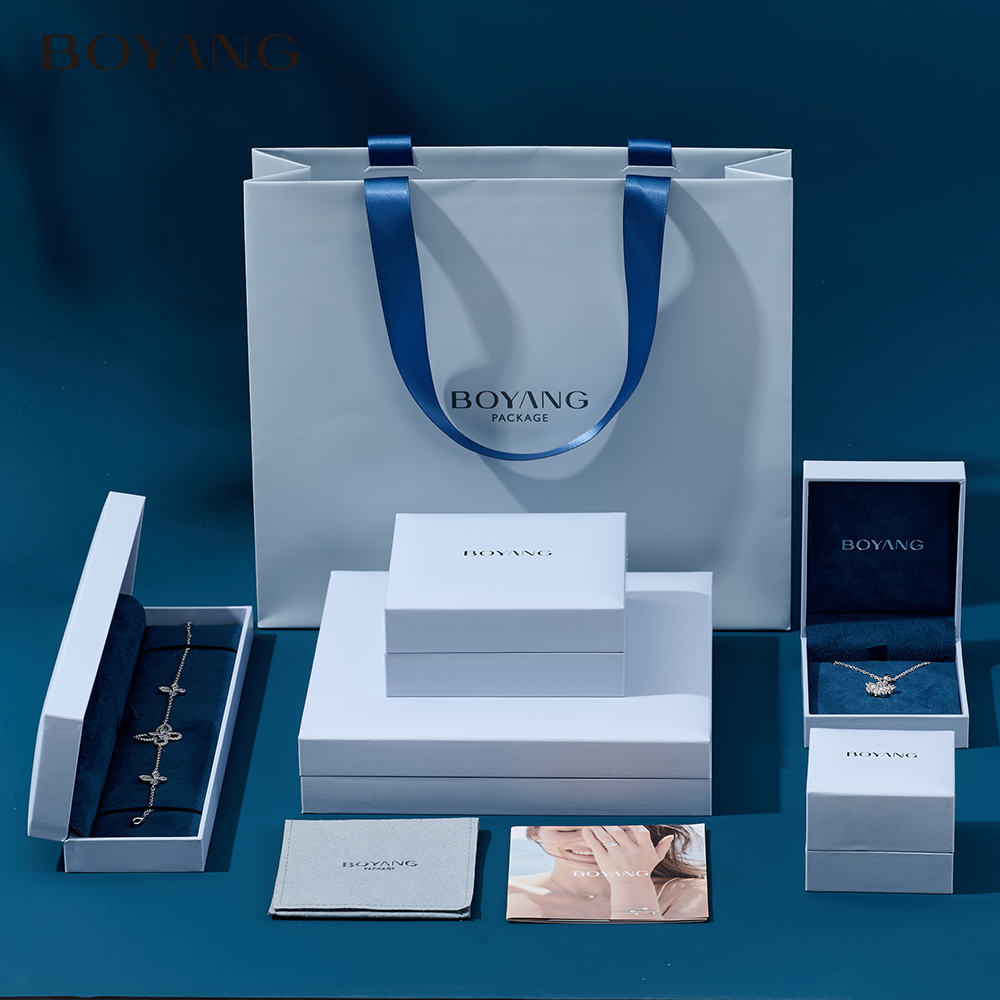
Jewellery Packaging Manufacturers: Coordinating a Complete Brand Set
Oct 17,2026
 You May Also Like



 Tel
 Email
 Address
Bldg 5,Zhenbao Industrial Zone Longhua,Shenzhen,China

Boyang Packing
 Whatsapp