Inquire (
 HOME
HOMEThe craftsmanship and aesthetics of paper jewelry boxes and their brand premium
 Feb 27,2026

 BOYANGPACK
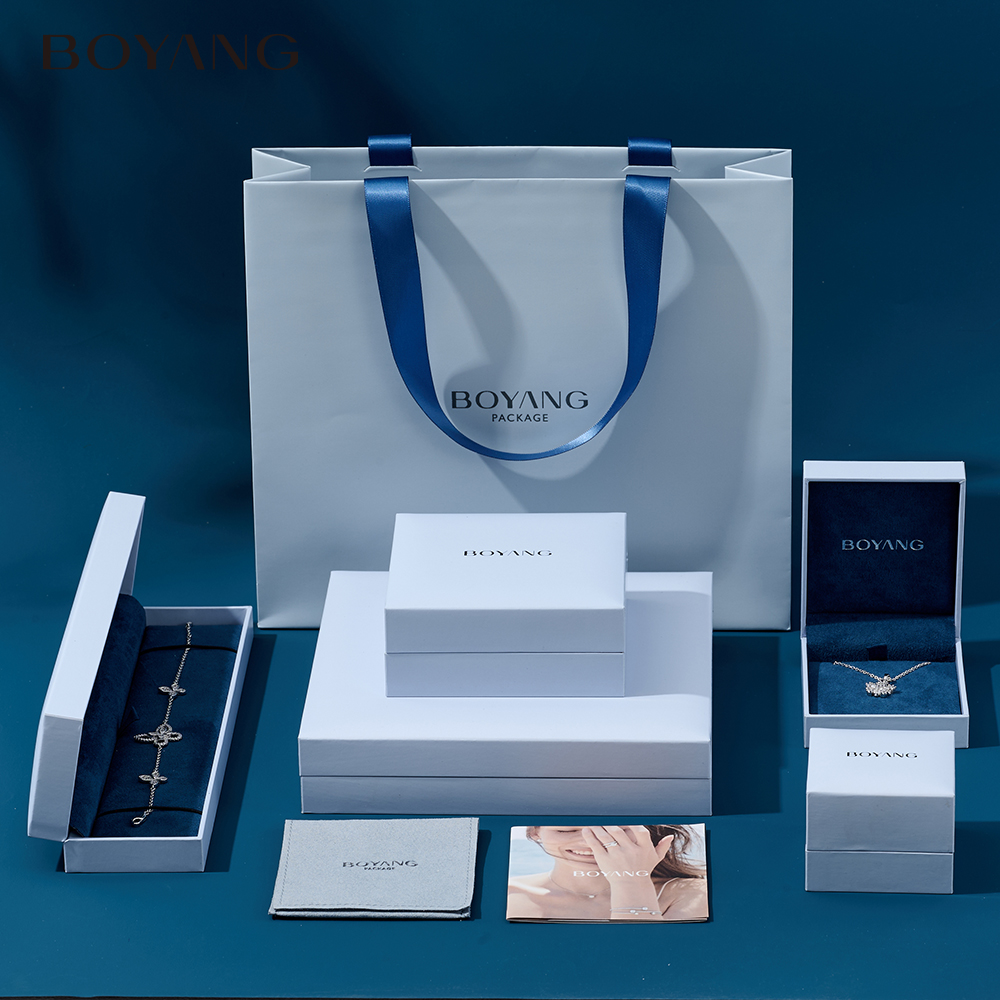
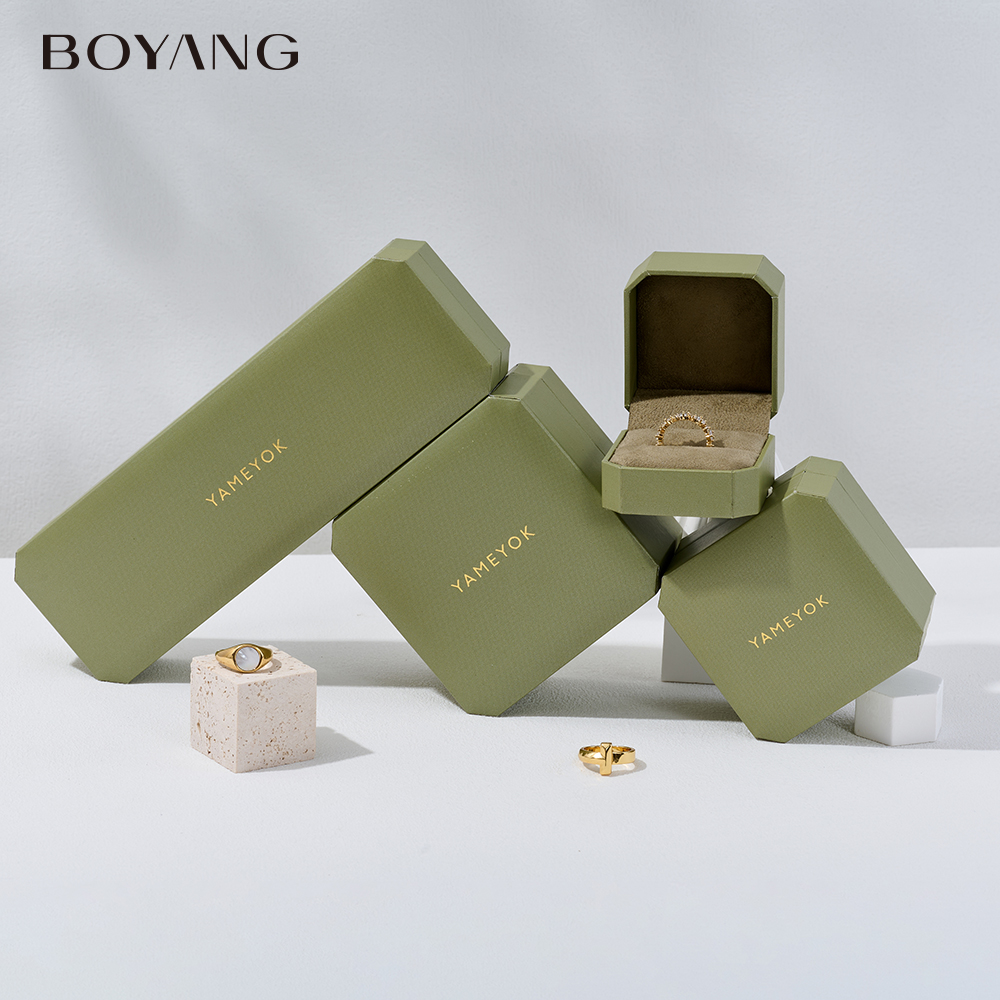
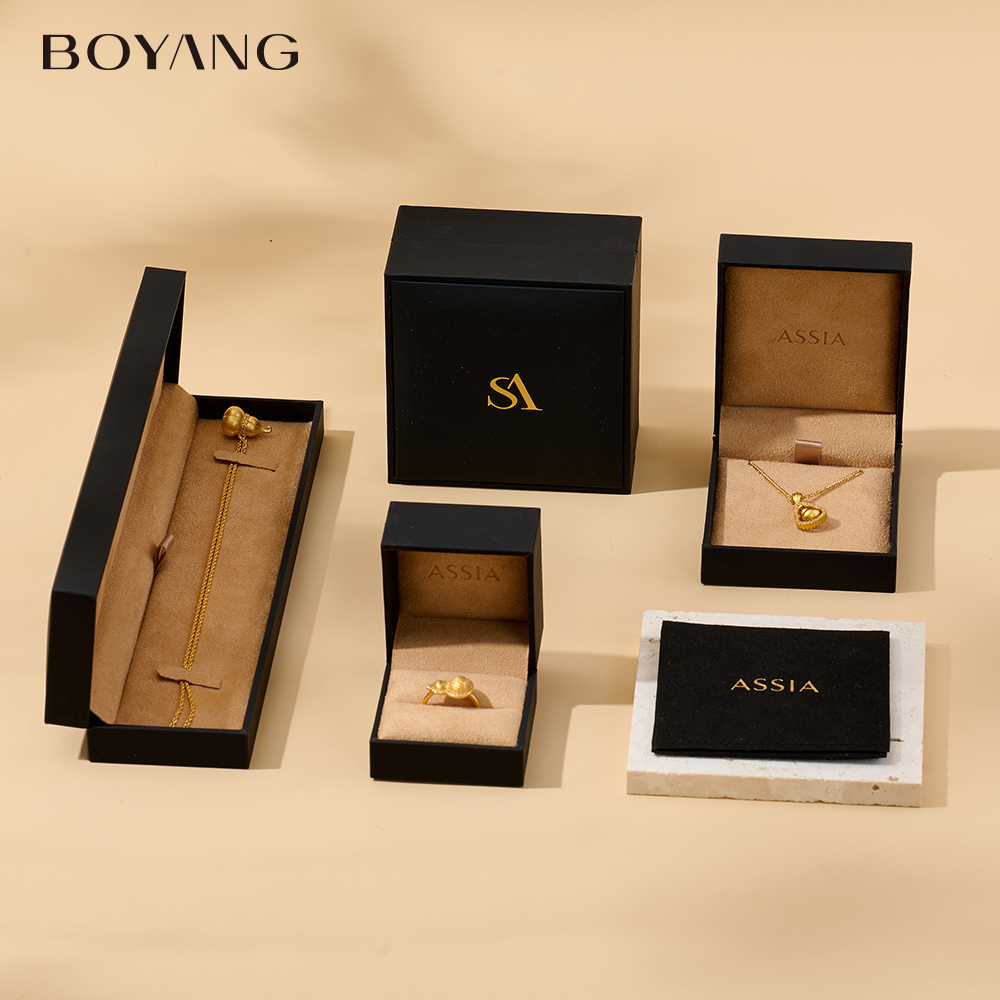
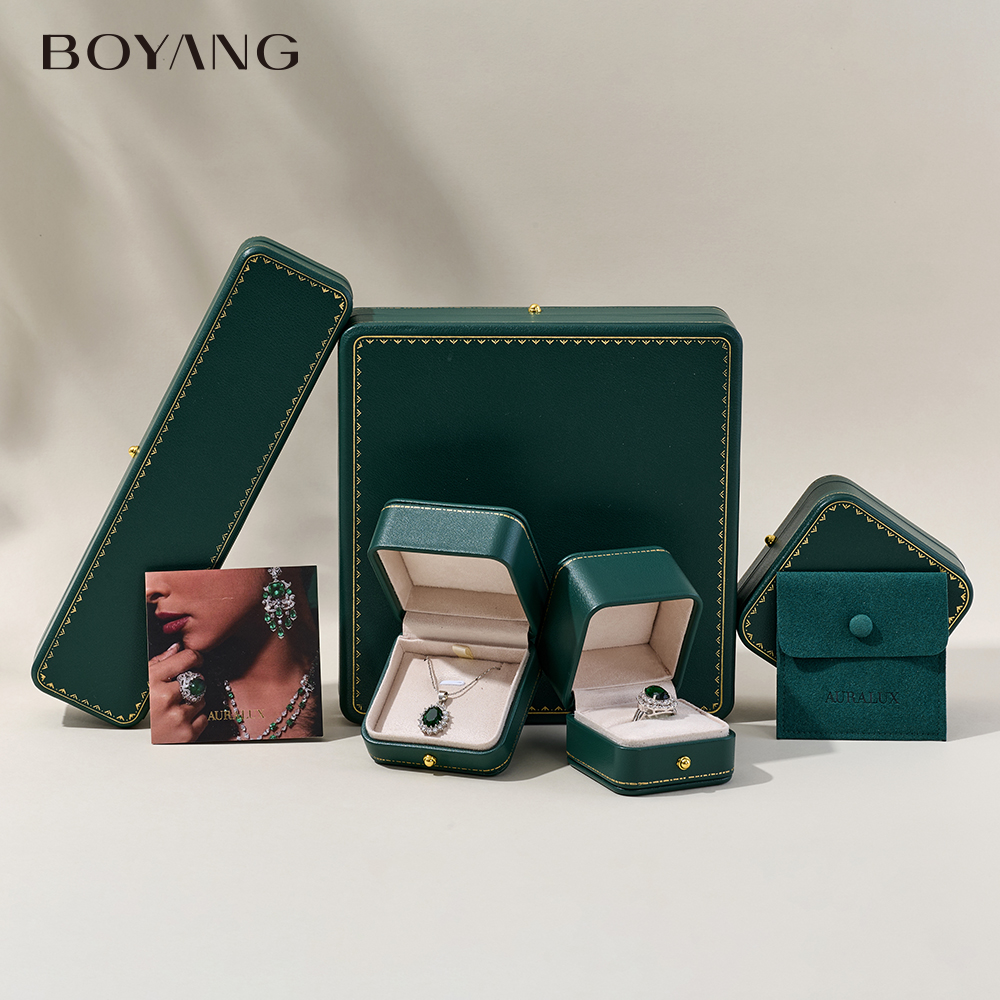
In the world of jewelry, the first impression is often not determined by the brilliance of the diamond, but by the box that holds it. People see the jewelry box first, then open it to see the jewelry. As a jewelry packaging manufacturer, we understand that packaging is not only about protection, but also an extension of the brand's soul. With the rise of environmental trends and minimalism, paper jewelry boxes are transforming from a traditional "supporting role" to a "protagonist" in the market. Today, we will take a professional perspective to deeply analyze the charm, craftsmanship, and value of paper jewelry boxes to brands.
1. Why are paper jewelry boxes becoming the industry's first choice?
In the past, many people believed that only wooden boxes or plastic-coated paper boxes were high-end. But now, from top luxury brands to independent designer studios, the use of paper packaging has increased significantly. The logic behind this is very clear:
(1) A highly malleable "aesthetic canvas."
Paper is the most expressive of all materials. Whether you want the rough texture of art paper or the high gloss of coated paper, paper can perfectly fulfill your desires. Through folding, die-cutting, and structural design, paper boxes can be presented in thousands of forms, meeting the diverse aesthetic needs of jewelry brands.
(2) An Inevitable Choice for Environmental Protection and Sustainable
Development Against the backdrop of the global pursuit of "carbon neutrality," jewelry consumers (especially Generation Z) are increasingly less tolerant of plastic packaging. High-grade specialty paper is usually recyclable and biodegradable, and printed with environmentally friendly soybean ink, which not only complies with environmental regulations but also enhances the brand's social responsibility and wins consumer favor.
(3) Cost-Effectiveness and Logistics Advantages
Compared to heavy wooden boxes, paper boxes are lightweight and easy to transport, which can significantly reduce logistics costs in e-commerce. At the same time, mature automated production lines make paper boxes highly cost-effective for large-scale customization.

2. In-Depth Analysis: The Construction Process of a High-Quality Paper Jewelry Box.
To evaluate whether a paper jewelry box is "professional," one cannot only look at its appearance but also at its "skeleton" and "skin."
(1) Core Framework: Grey Board and White Cardboard
Most rigid gift boxes have a high-density grey board core, providing sturdy support to ensure jewelry isn't crushed during transport. Lightweight drawer boxes or folding boxes use high-grammage white cardboard, which not only has clear creases but also good resilience.
(2) Surface Art: Application of Specialty Papers
The texture of a jewelry box often stems from its outer layer.
Tactile Paper: Feels as smooth as a baby's skin, exuding a sense of luxury.
Embossed Paper: Creates fabric, leather, or wood grain textures through mechanical pressing, resulting in rich visual layers.
Pearl Paper: Has a subtle metallic sheen, complementing the shimmer of jewelry perfectly.
(3) Surface Finishing: The Finishing Touch
Hot Stamping: Transferring metallic foil to the paper surface using pressure and heat is the most classic way to handle logos on jewelry packaging. Embossing/Debossing: Creates a three-dimensional tactile experience, making the brand logo leap off the page.
Spot UV Coating: Increases brightness in specific areas, creating a glossy-matte contrast.
3. From a Practitioner's Perspective: How to Design Packaging That Touches Hearts?
If you are a jewelry brand owner or packaging designer, when customizing paper jewelry boxes, you need to consider the following three core dimensions:
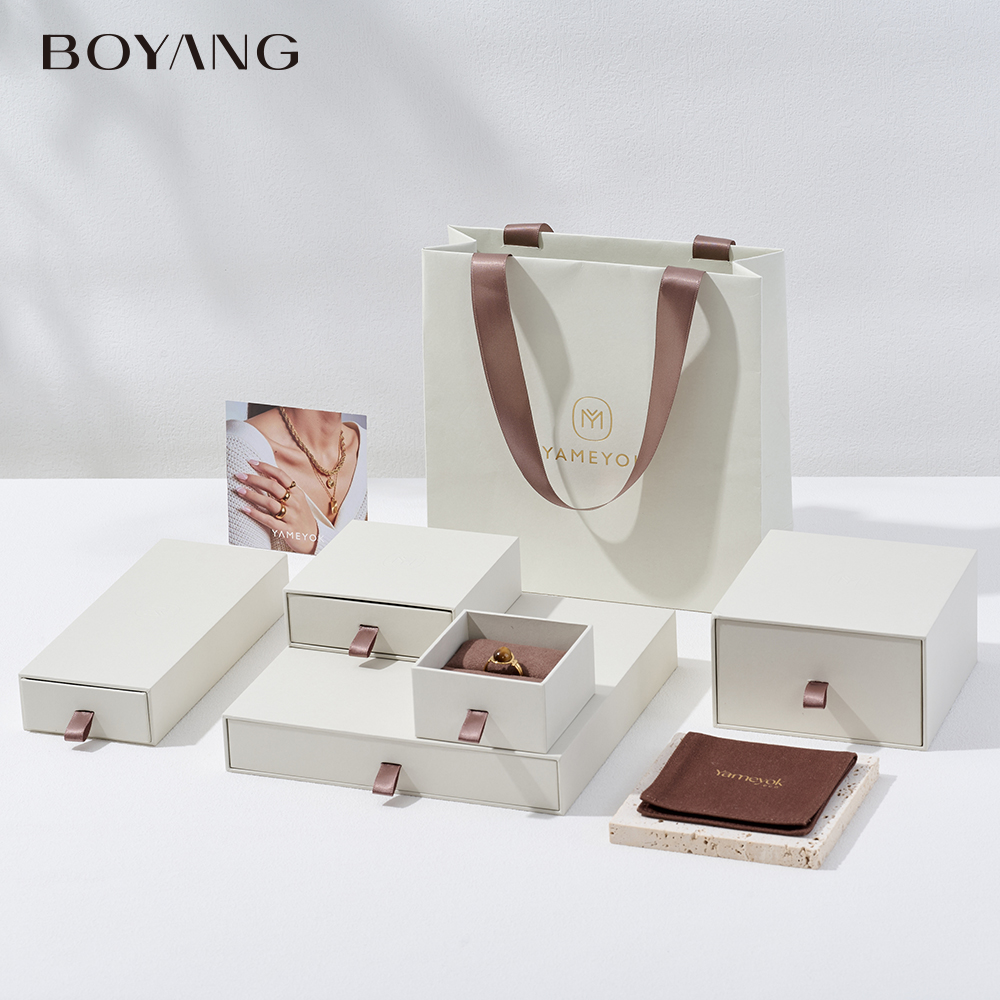
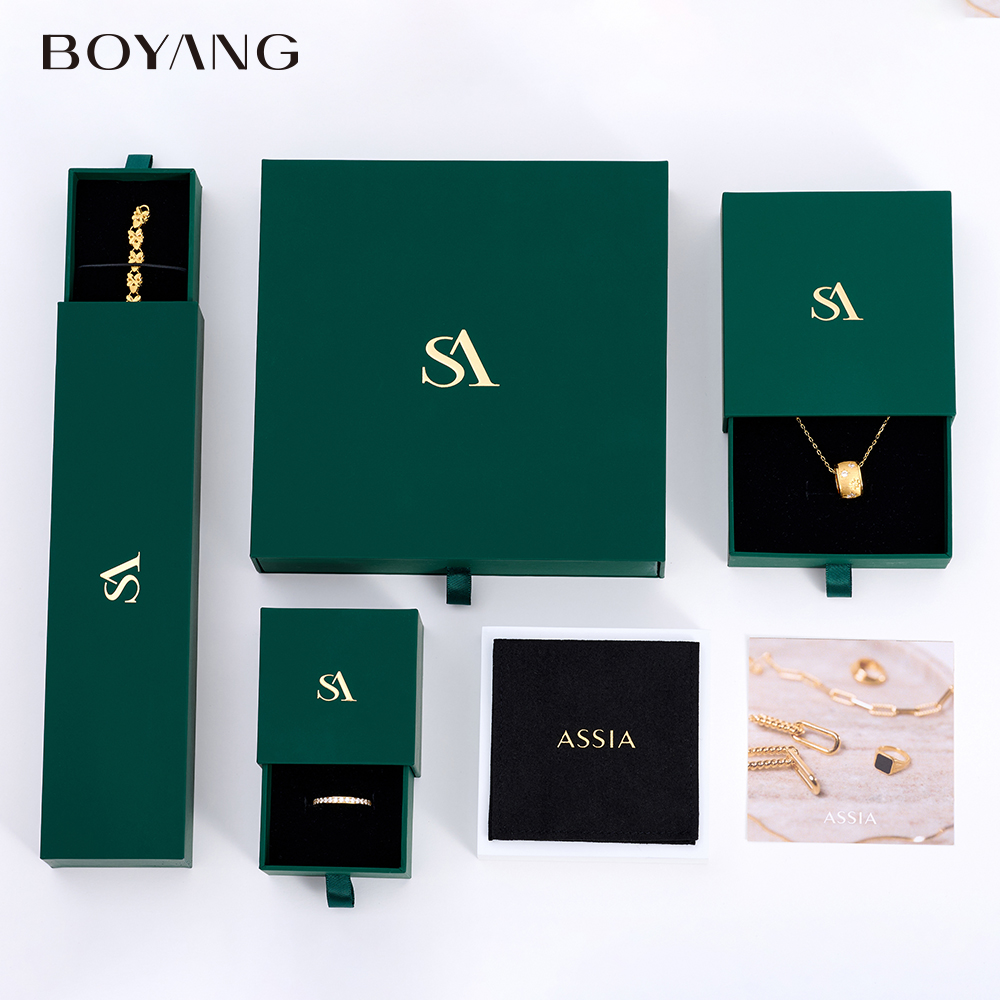
(1) Unboxing Experience: In modern marketing, the unboxing process is a miniature ritual. A well-damped lid, the crisp sound of a magnetic flip-top, or the smooth feel of opening a drawer can subconsciously increase the added value of the jewelry.
(2) Compatibility of Internal Inserts: While the box itself is good, the internal insert is where the jewelry directly comes into contact. Professional paper packaging uses high-quality sponge, microfiber cloth, or flocked blister packs. We need to ensure that the padding not only secures the jewelry but also protects against moisture and oxidation, especially for materials prone to tarnishing, such as silver.
(3) Accurate Reproduction of Brand Colors
The jewelry industry is extremely sensitive to color. For example, maintaining consistency across different batches of paper printing for the famous "Tiffany Blue" is a huge challenge. This requires packaging suppliers to have a stringent color management system (such as G7 certification) to ensure the brand's visual identity remains consistent worldwide.
4. Consumer Voices: How Does Packaging Influence Purchasing Decisions?
For jewelry buyers, the box is more than just a container; it's an integral part of the gift. A well-designed paper jewelry box is often kept by consumers for everyday storage.
Emotional Connection: When the feel of the packaging matches the exquisite quality of the jewelry, consumers feel that "it's worth the money."
Sharing Desire: In the age of social media, an attractive paper packaging box is an immediate incentive for customers to take photos and share them on platforms like Xiaohongshu or Instagram. The value of this spontaneous traffic far exceeds the cost of the packaging. The popularity of paper jewelry packaging boxes signifies a shift in the jewelry industry from "excessive luxury" to "refined understated elegance." Through professional structural design, exquisite craftsmanship, and environmentally friendly material selection, paper packaging can completely and even surpass traditional materials, imbuing jewelry with deeper cultural connotations and brand appeal.
Whether you are a jewelry professional seeking packaging inspiration or an enthusiast pursuing a refined lifestyle, understanding the craftsmanship and logic behind paper packaging can help you better appreciate the beauty of jewelry.
 What will be the most popular jewelry box design in 2026?
Small-Batch Custom Jewelry Boxes: Low-Cost Packaging Strategies for Startups
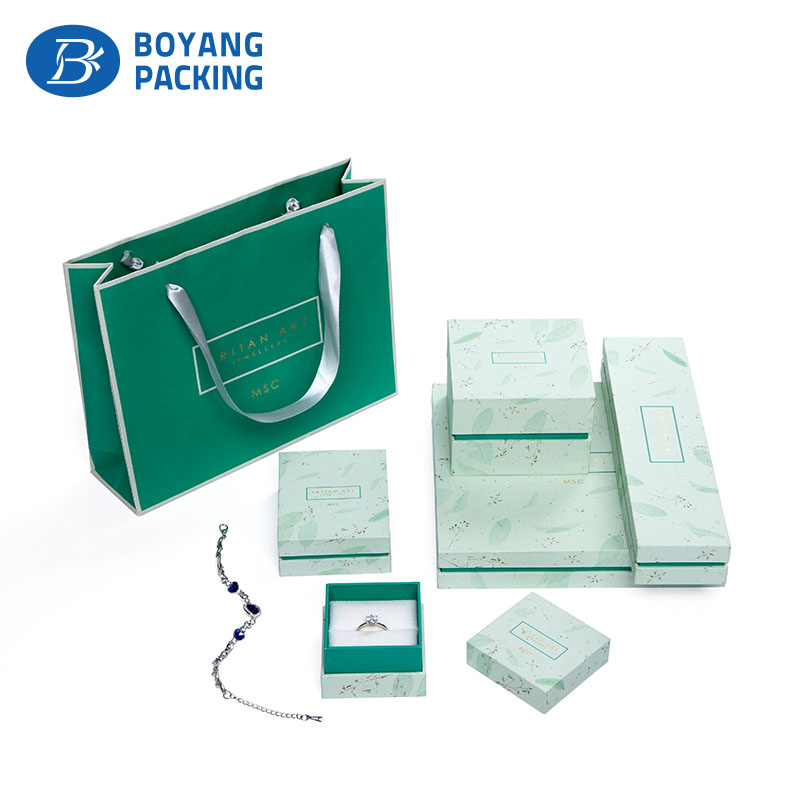
The design of jewelry boxes manufacturers for jewelry packaging
Dec 20,2017
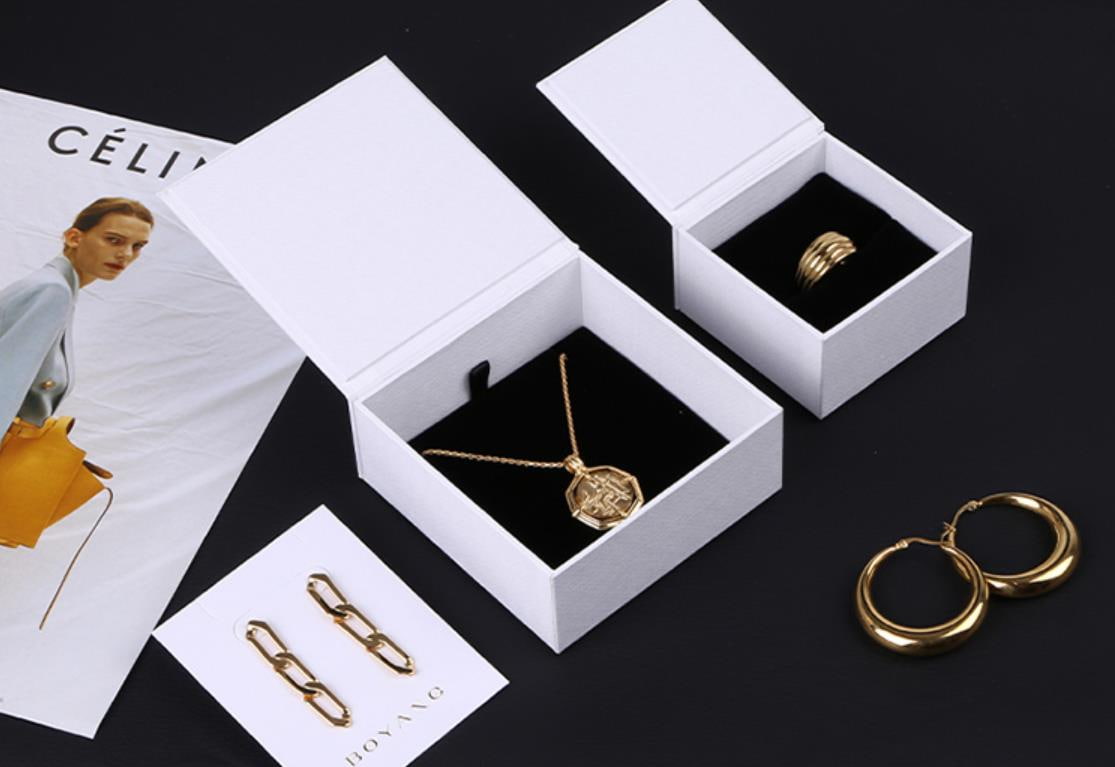
Jewelry Packaging Box Avoidance Guide: Avoid These Materials and Designs
Dec 30,2025
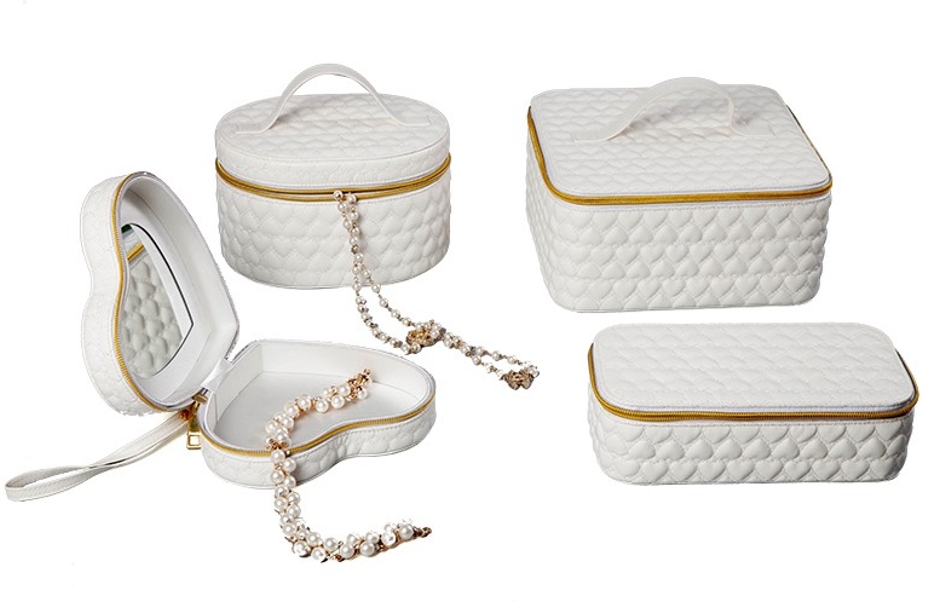
Custom Jewelry Packaging: What are the Prices of Different Materials?
Dec 06,2025
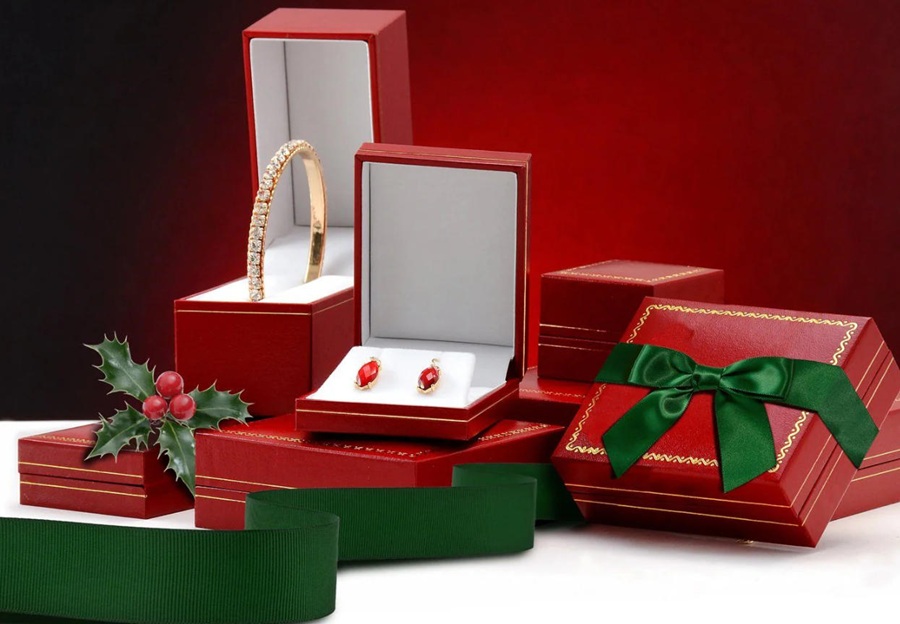
How to Customize Your Jewelry Box Packaging Before Christmas?
Nov 18,2025
 You May Also Like

 Tel
Tel
 Email
Email
 Address
Bldg 5,Zhenbao Industrial Zone Longhua,Shenzhen,China

Boyang Packing
 Whatsapp