Inquire (
 HOME
HOMEJewelry Packaging Box Avoidance Guide: Avoid These Materials and Designs
 Dec 30,2025

 BOYANGPACK
In the jewelry industry, high-quality jewelry packaging boxes can make a striking first impression and add a sense of ceremony to the jewelry; conversely, inferior or poorly designed packaging boxes, even for high-quality jewelry, can lower the consumer experience and even damage the brand's reputation. This article, based on industry experience, summarizes common pitfalls in choosing jewelry packaging boxes, focusing on materials and designs that seem aesthetically pleasing but are impractical, helping you avoid these mistakes and choose suitable packaging boxes.
1. Avoid Inferior and Cheap Materials
Some merchants, in order to cut costs, use low-quality cardboard and recycled plastic to make jewelry packaging boxes. While these materials may seem economical, they pose numerous hidden dangers. Low-quality cardboard has low density and poor load-bearing capacity, failing to effectively protect jewelry. It is easily deformed and damaged during transportation, leading to jewelry damage. Recycled plastic may have an odor and insufficient hardness; long-term storage may cause the material to age and produce harmful substances, affecting the quality of the jewelry. Pay special attention to avoiding materials with rough surfaces, as these can easily scratch the surface of the jewelry and damage its luster. 1. Prioritize environmentally friendly and high-quality materials such as high-density cardboard, solid wood, and premium PU. These materials ensure jewelry safety and enhance the overall premium feel.
2. Be wary of overly elaborate but impractical designs
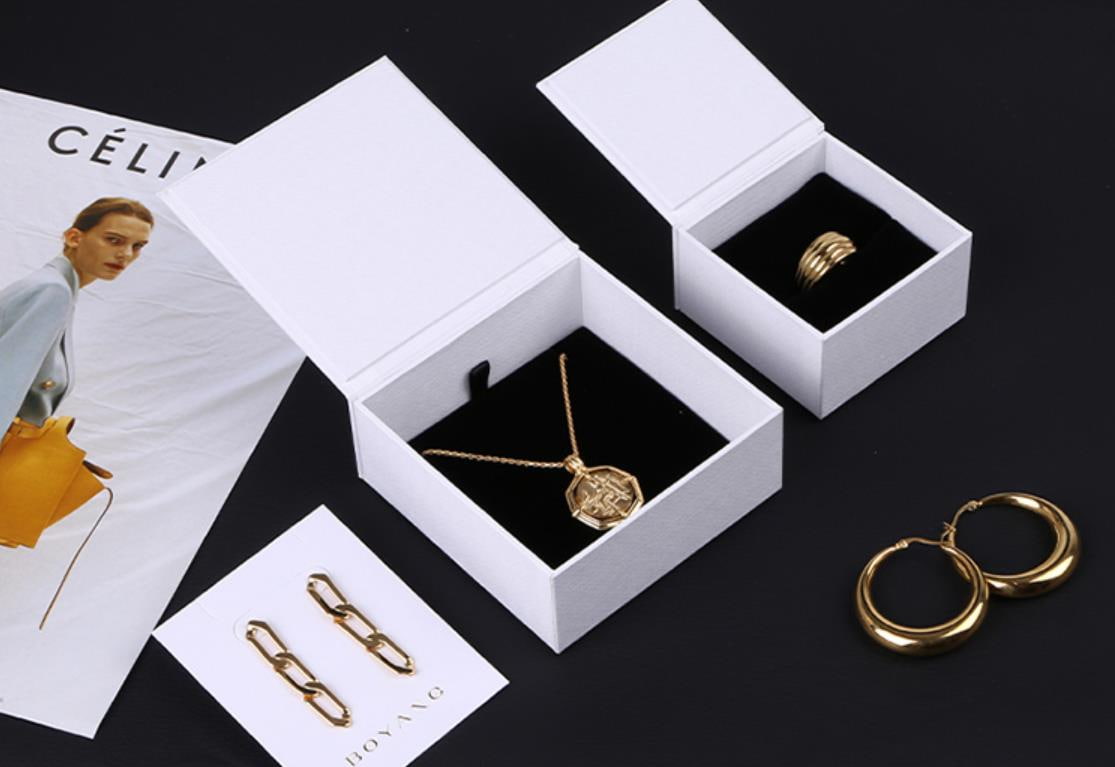
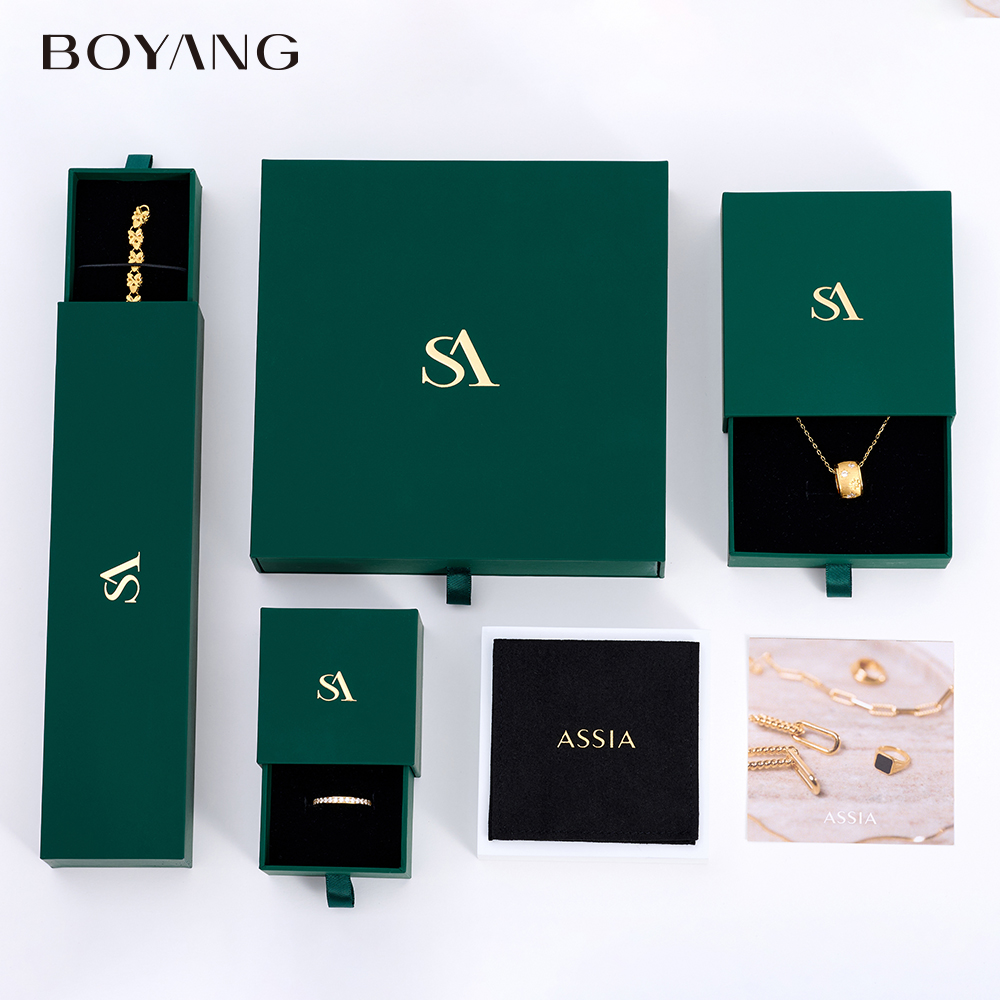
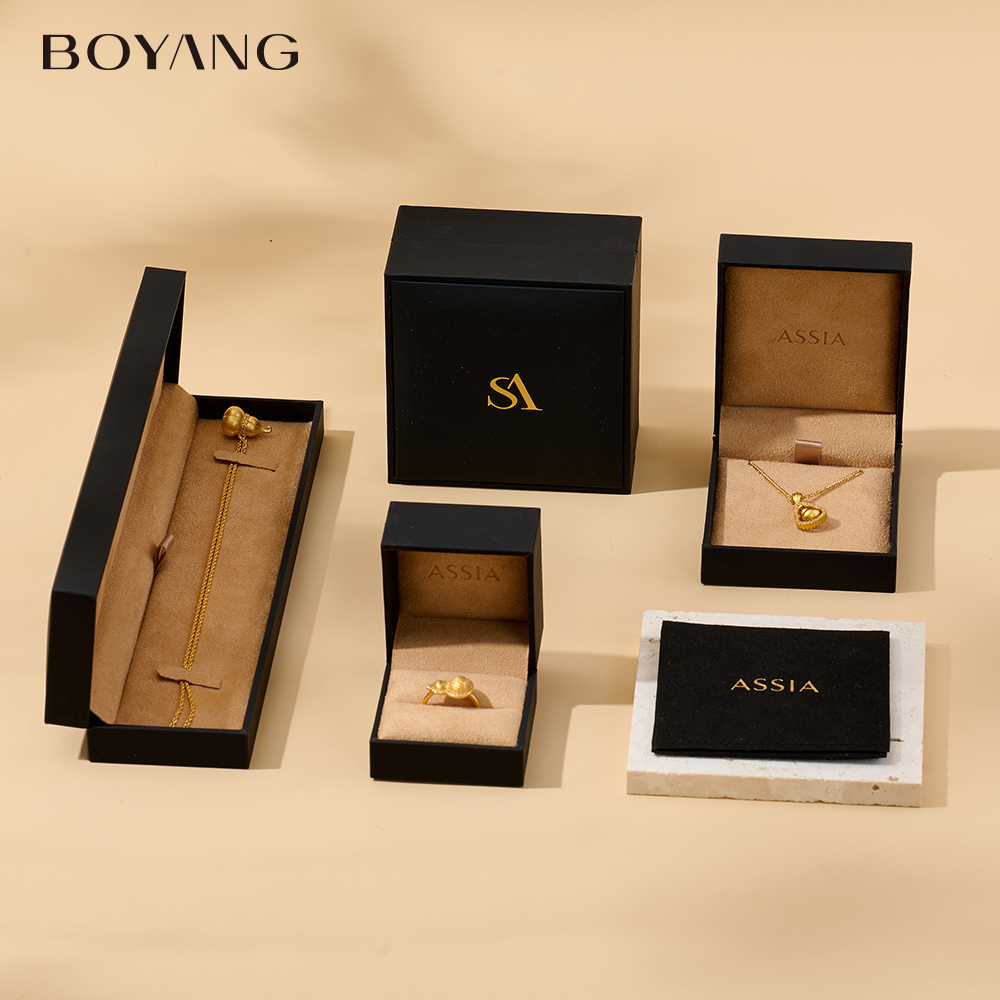
Some jewelry packaging boxes, in pursuit of visual appeal, employ complex cutouts, multi-layered designs, and even numerous easily detachable decorative pieces. While these designs may seem exquisite, they present several problems: cutout designs easily accumulate dust and fail to effectively isolate moisture, potentially leading to oxidation of the jewelry over time; multi-layered designs are cumbersome to handle, making it inconvenient for consumers to access the jewelry and reducing the user experience; easily detachable decorative pieces can not only scratch the jewelry but also pose a safety hazard if swallowed by children. Truly high-quality jewelry packaging box designs should adhere to the principle of "simplicity and practicality," ensuring aesthetics while also considering safety and convenience. For example, a simple flip-top design and a storage space with a soft lining highlight the quality of the jewelry while providing ease of use for consumers.
3. Neglecting Size and Lining Fit
Many retailers blindly pursue "universal" packaging boxes when purchasing jewelry, ignoring the specific size and type of jewelry. Oversized boxes can cause jewelry to wobble inside, failing to provide adequate protection; undersized boxes may crush the jewelry, especially necklaces and bracelets with chains, leading to tangling and deformation. The choice of lining is equally crucial. Inferior lining materials may react chemically with the jewelry; for example, some synthetic fiber linings can generate static electricity, attracting dust and affecting the jewelry's luster. It is recommended to customize packaging boxes according to the type and size of the jewelry, prioritizing soft and breathable materials such as velvet and silk for the lining, which can precisely hold the jewelry while providing good protection.
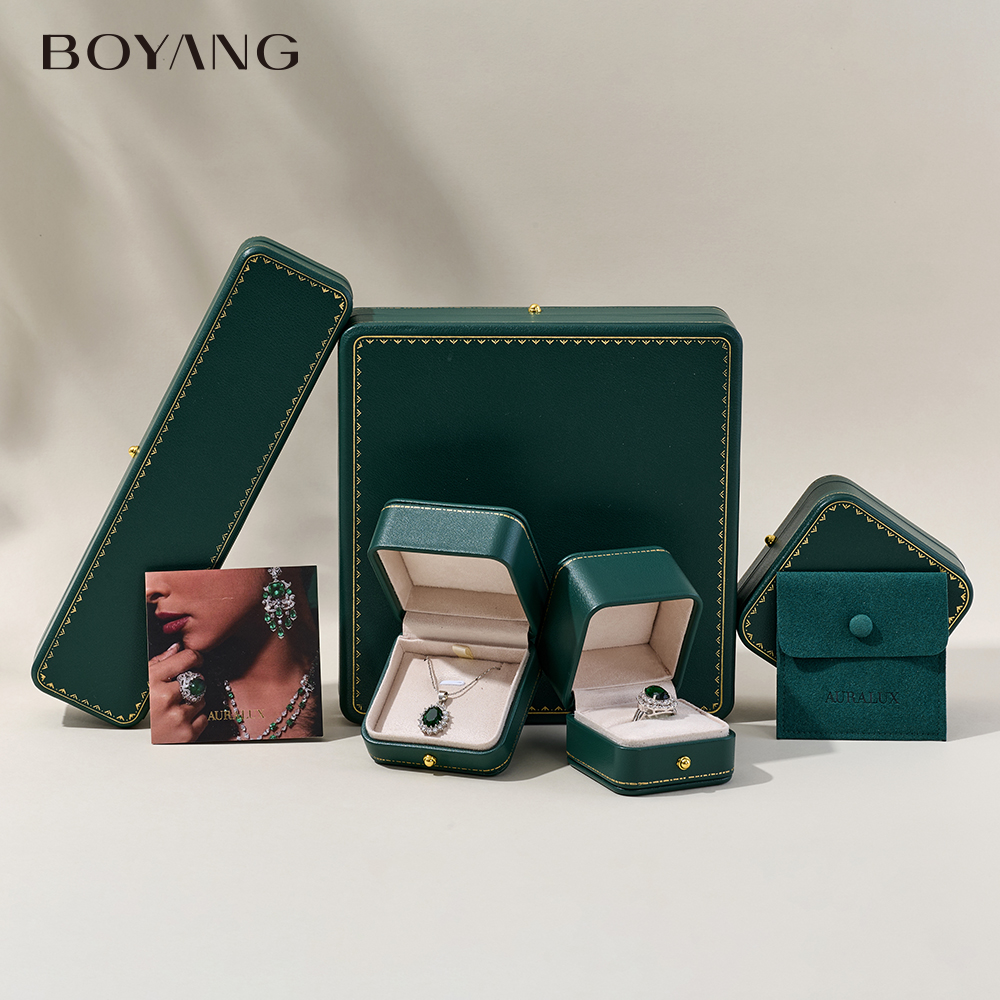
For jewelry retailers, choosing packaging boxes also requires considering brand positioning and consumer needs. High-end jewelry should be paired with high-quality solid wood or genuine leather boxes to highlight the brand's premium positioning; affordable jewelry can opt for cost-effective high-density cardboard boxes, controlling costs while ensuring quality. Meanwhile, it's crucial to prioritize the environmental friendliness of the packaging. Consumers are increasingly focused on environmental issues, and choosing biodegradable and eco-friendly materials for jewelry packaging not only aligns with the trend of green consumption but also conveys a brand's social responsibility.
Choosing jewelry packaging isn't about "the more expensive, the better" or "the more elaborate, the better." It requires considering multiple factors, including materials, design, size, and suitability. Avoiding the pitfalls of inferior materials and poor design is essential to selecting packaging that protects the jewelry, enhances the customer experience, and aligns with the brand's positioning. This guide aims to provide practical guidance for jewelry retailers, entrepreneurs, and jewelry enthusiasts, helping each piece of jewelry find its perfect "exclusive packaging."
 2026 Custom Jewelry Box Guide
4 Tips to Acquire New Customers Fast!
Jun 20,2022
What are the advantages of cardboard jewelry boxes?
Apr 23,2022
 You May Also Like

 Tel
Tel
 Email
Email
 Address
Bldg 5,Zhenbao Industrial Zone Longhua,Shenzhen,China

Boyang Packing
 Whatsapp