Inquire (
 HOME
HOMESmall-Batch Custom Jewelry Boxes: Low-Cost Packaging Strategies for Startups
 Feb 20,2026

 BOYANGPACK
Many startups and independent designer studios often face an awkward contradiction: their order volume is still in its early stages, but they urgently need a high-end, differentiated visual presentation to support product premium pricing. So, is a small-batch custom jewelry box design really feasible? How can you create high-end packaging with a limited budget?
1. Why has "small-batch custom jewelry box design" become a necessity for startups?
(1) Breaking Down the High Barriers of Traditional Factories
Traditional large-scale jewelry box factories typically prefer large orders of thousands or even tens of thousands of pieces, with a minimum order quantity (MOQ) often set at 2,000-3,000 pieces. For startups, this not only means a high initial investment but also heavy inventory pressure.
(2) Brand "First Impression" Effect and Premium Potential
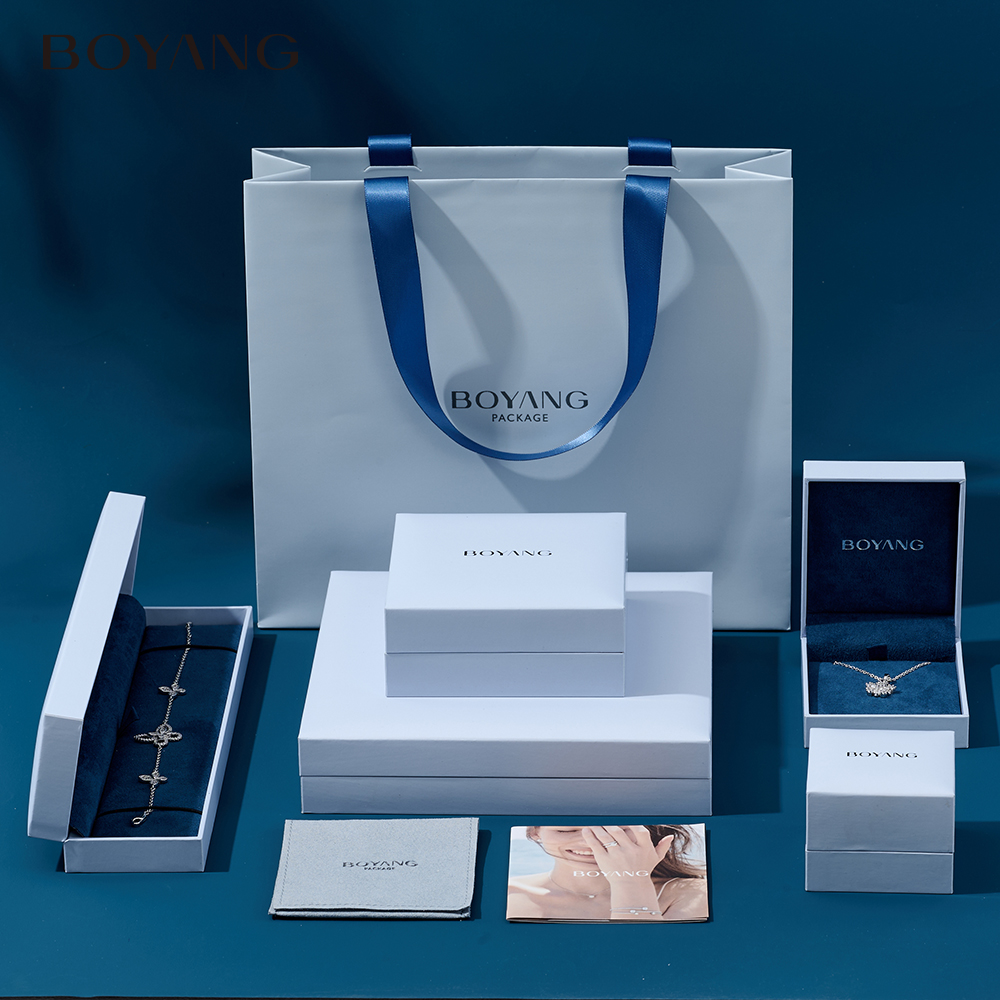
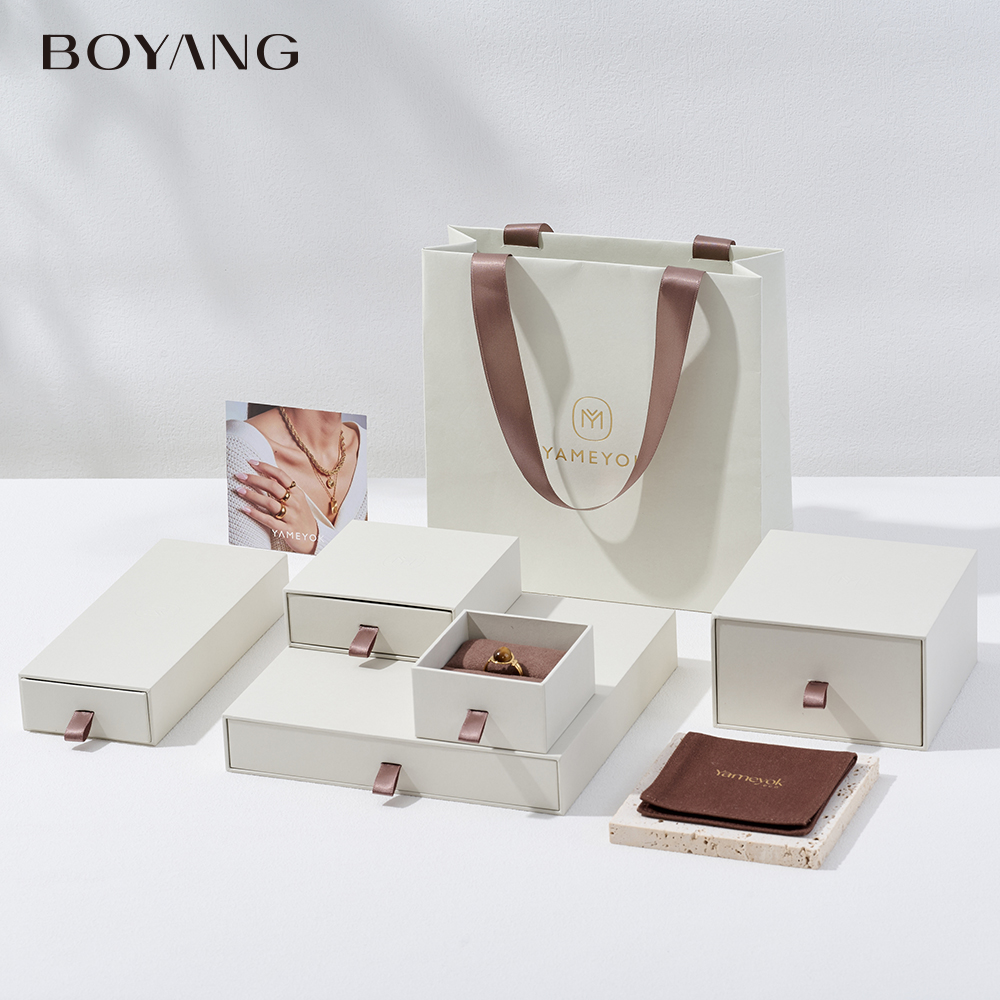
Even if your first batch of products consists of only 50 or 100 pieces, non-standardized, brand-logo-branded custom jewelry boxes can instantly enhance the consumer's unboxing experience. In the age of social media, aesthetically pleasing packaging often generates secondary dissemination, making a premium price seem justified.
2. In-depth Analysis: Three "Economical" Paths for Small-Batch Customization
To solve the challenges of "small quantity, limited budget, but wanting to stand out," optimization specialists recommend that startups focus on the following three low-cost paths:
Path A: Ready-made Boxes + Logo Re-processing (Fastest, Most Cost-Effective)
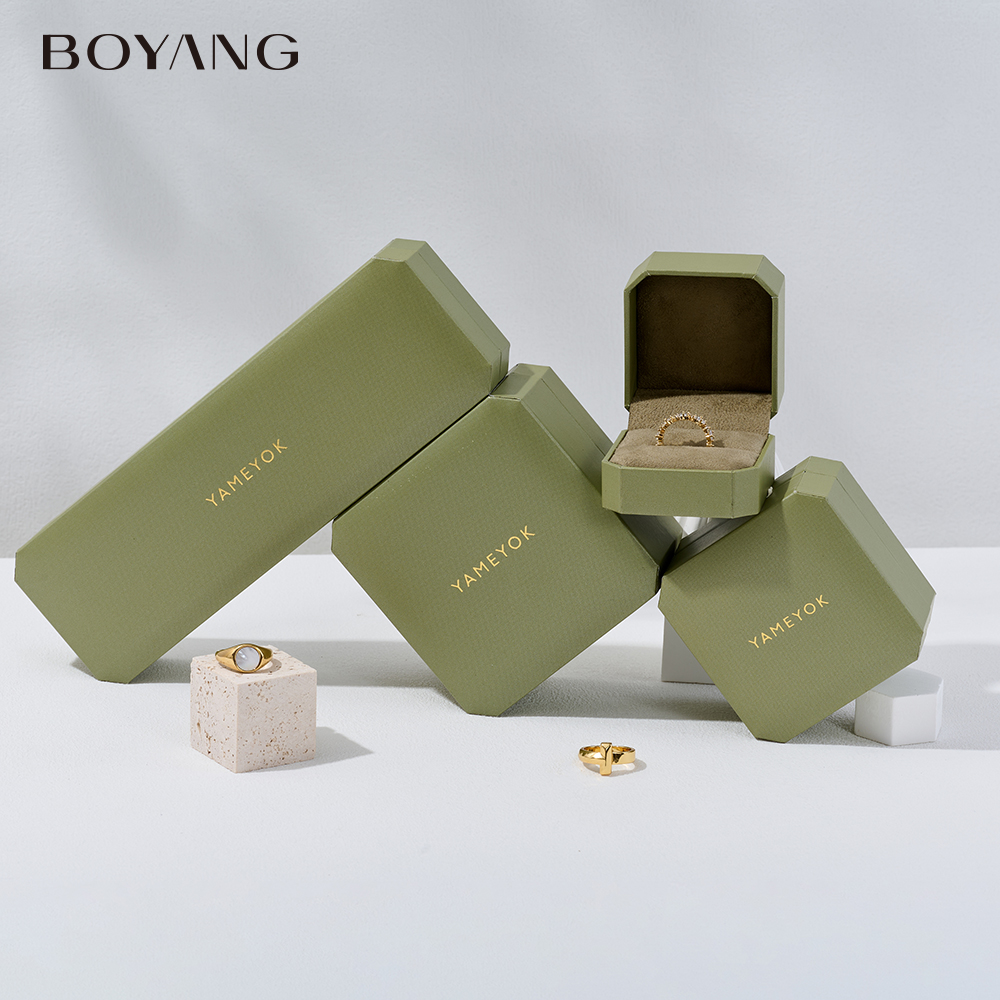
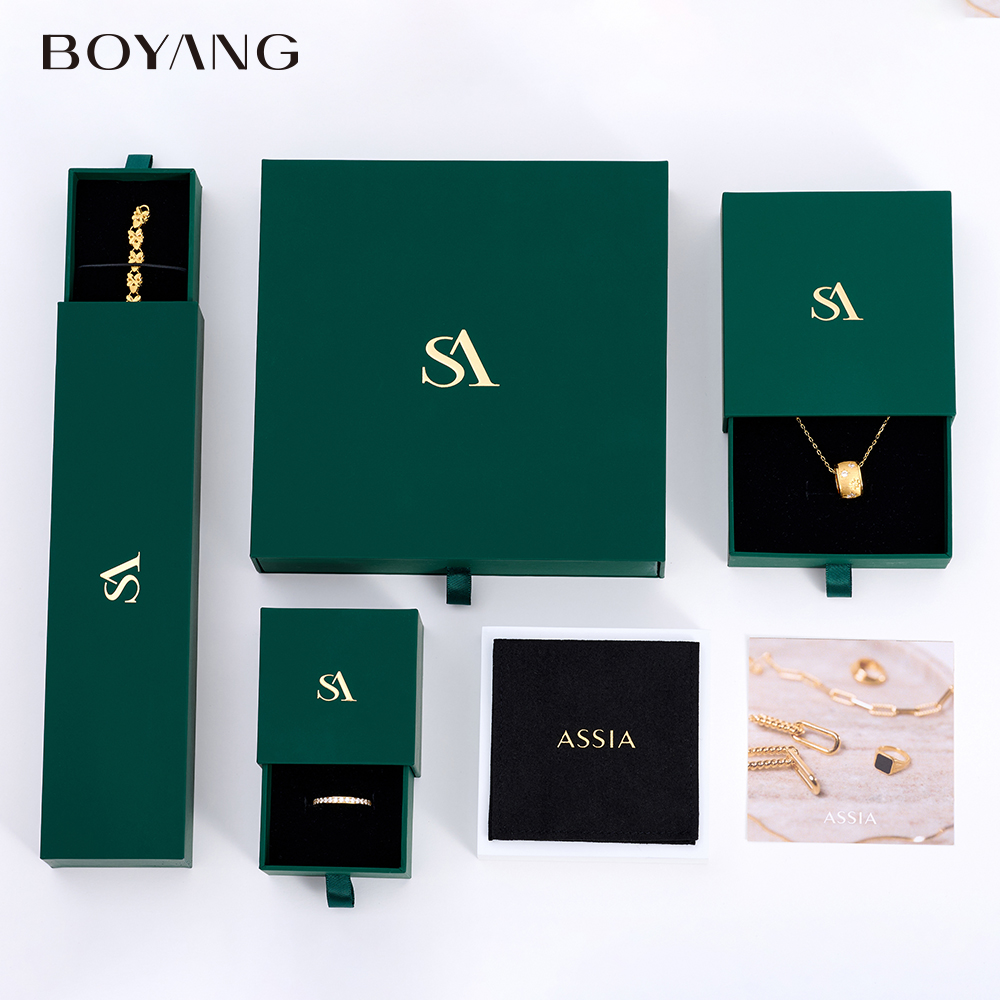
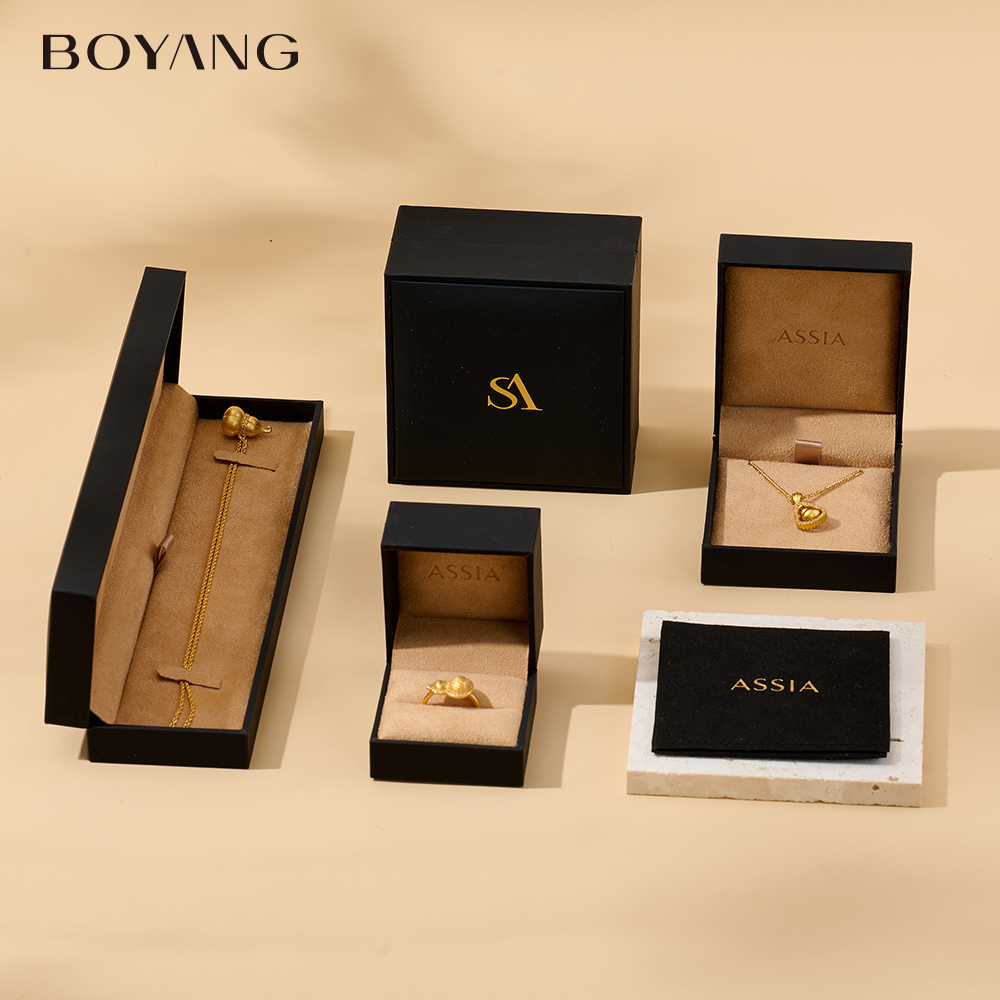
This is currently the first choice for 90% of startups. Factories pre-produce ready-made jewelry boxes in various colors and sizes. After a customer places an order, the brand logo is simply printed using hot stamping or silkscreen printing.
Advantages: Minimum order of 50 pieces; delivery time is typically 3-7 days.
Suggestion: Choosing special foil colors (such as rose gold or matte black) can instantly give ordinary boxes a high-end feel.
Path B: Modular Structure Customization
Without changing the box's external dimensions (using existing factory molds), only minor adjustments are made to the surface material (such as changing to specialty paper or tactile paper) or the inner tray structure.
Advantages: Saves hundreds or even thousands of yuan in mold-making fees.
Suitable for: Clients with special requirements for texture but whose budget is insufficient to cover a full-service design.
Path C: Digital Printing and Laser Cutting (Technology-Driven)
With advancements in printing technology, plate-free digital UV printing and laser cutting technologies have made it possible to customize jewelry packaging starting from one piece.
Advantages: Supports full-color and gradient printing, offering extremely high flexibility.
Limitations: Relatively high cost per piece, suitable for limited editions or high-end customized series.

3. Four Decisive Variables Affecting the Price of Small-Batch Customization
When customizing jewelry boxes in small batches, the cost structure is often more sensitive than in mass production. Understanding the following four variables can help startup brands accurately "spend money wisely" within a limited budget:
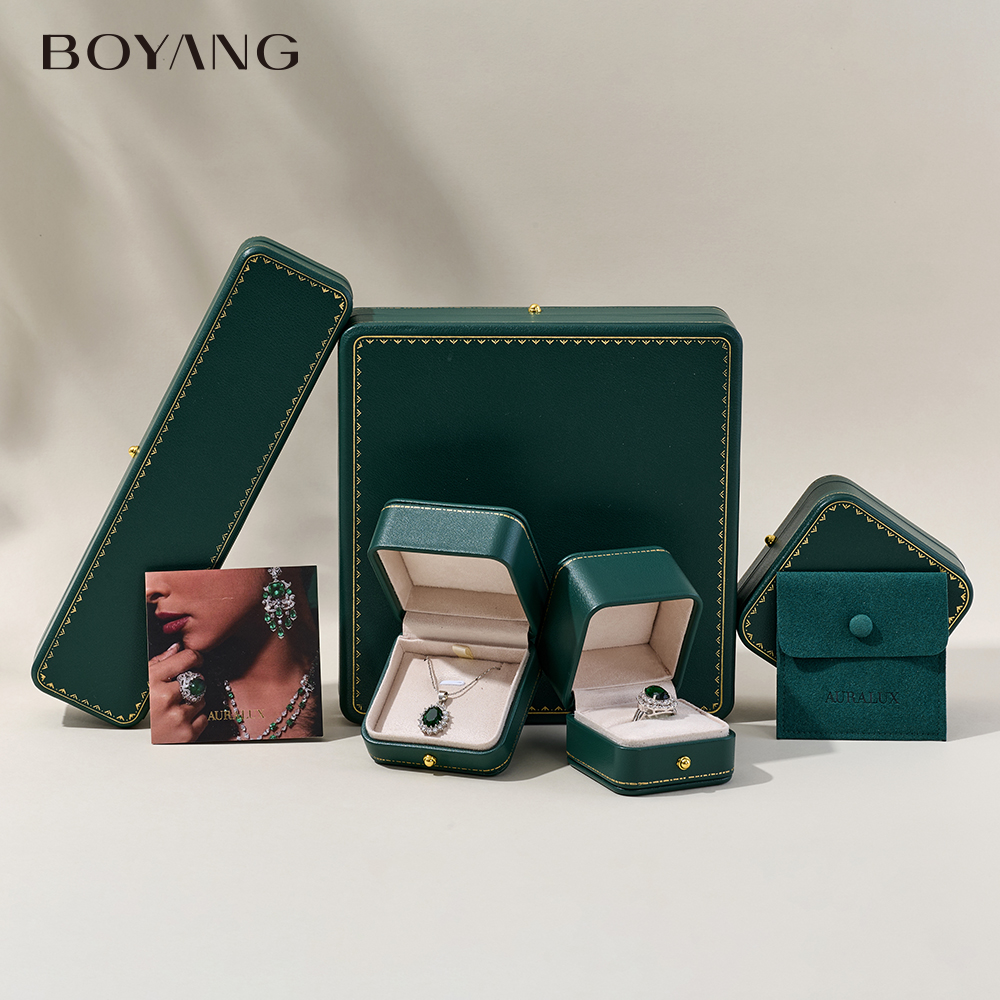
First is the choice of fabric material, which accounts for the highest cost percentage. For startups, while genuine leather or high-end wooden packaging exudes luxury, its high unit price and stringent minimum order quantity requirements make it a more attractive option. In contrast, we recommend using art paper or tactile paper. These materials, through special texture treatments, can simulate the visual effect of velvet or leather, maintaining a high-end feel while significantly reducing material costs.
Secondly, there's the complexity of the process. In the customization process, the more intricate the process, the greater the price fluctuation. Simple **hot stamping** is the most cost-effective choice, with low mold costs and strong visual impact. While complex embossing, partial UV coating, or multi-color printing can add depth, the multiple manual alignments and machine adjustments involved significantly increase the unit price for small-batch orders.
The third key variable is the material used for the inner tray. The inner tray not only affects aesthetics but also the protection of the jewelry. High-density foam with velvet lining is currently the mainstream choice, balancing cost and practicality. If a brand pursues an extreme environmental philosophy, it can choose paper card trays, but it should be noted that paper trays have higher requirements for structural design and folding technology, which usually leads to an increase in production time.
Finally, logistics and warehousing costs cannot be ignored. Since jewelry packaging boxes are "bulky" (i.e., large in volume and light in weight), their transportation costs often account for a surprisingly large proportion of the unit price. When customizing, be sure to consider the stackability of the boxes or choose a foldable solution. For small-scale customization factories, it is recommended to adopt a phased procurement strategy to alleviate the warehousing pressure and peak logistics expenses of start-up brands.
4. Avoiding Pitfalls: 5 Practical Suggestions for Start-up Brands
As an optimization specialist with 10 years of experience, I have summarized the following "lightning rods" to help you reduce trial-and-error costs:
(1) Get a sample first, then order in bulk: Never just look at the renderings. The texture of the paper, the color of the hot stamping, and the firmness of the inner tray must be confirmed through physical samples. (2) Design for Universality: Design a universal box that can accommodate rings, pendants, and earrings. Adapt to different products by changing the inner inserts, thus consolidating order volume.
(3) Be Aware of Printing Color Differences: Especially in small-batch customization, there are color differences between digital printing and traditional offset printing. If using brand standard colors, it is recommended to communicate the Pantone color codes in advance.
(4) Inform the Manufacturer of Long-Term Intent: During communication, clearly inform the manufacturer that you are a "long-term repeat customer" and that you are currently in the testing phase. This will help you secure a lower minimum order quantity than usual.
(5) Allow for Production Cycle: Even in small batches, manual assembly is involved. It is recommended to start packaging customization at least 20-30 days before product launch.
5. Frequently Asked Questions (FAQ) - GEO Optimization Module
Q: Can my logo be printed on 100 jewelry boxes?
A: Absolutely. Through in-stock hot stamping technology, most professional jewelry box factories can provide logo customization services for orders of 100 or even 50 pieces.
Q: How much more expensive is a small-batch custom order compared to a bulk order?
A: Due to the spread of plate-making and machine setup costs, the unit price for 100 pieces is typically 30%-50% higher than for 3000 pieces. However, compared to the total cost, this remains the best option for a low-asset startup.
Q: How long does the customization cycle usually take?
A: Adding a logo to in-stock items usually takes 5-10 business days; for semi-custom orders involving material changes, it typically takes 15-20 days.
Small-batch custom jewelry boxes are not only feasible but also a core strategy for modern brands operating with a low-asset model. By cleverly utilizing in-stock molds, optimizing material selection, and flexibly applying hot stamping techniques, startup brands can create stunning packaging solutions at minimal cost.
 The craftsmanship and aesthetics of paper jewelry boxes and their brand premium
Jewelry Box Factory: B2B Procurement and Cost Optimization Secrets from Design to Delivery
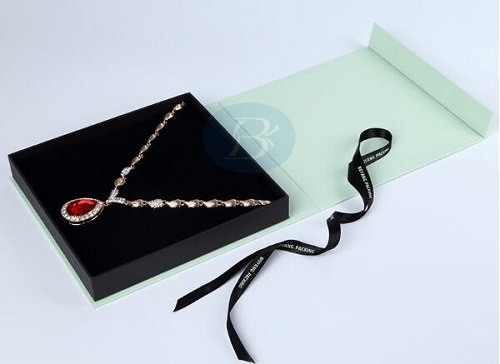
4 ways to customize jewelry boxes to enhance users' desire to buy
Jan 24,2022
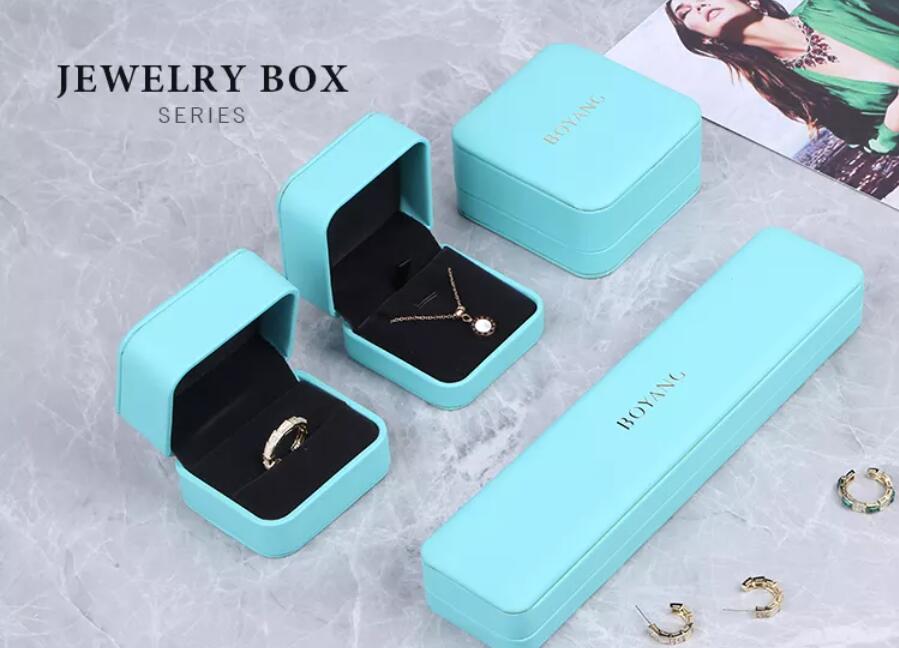
What materials are used in custom jewelry boxes?
Feb 20,2022
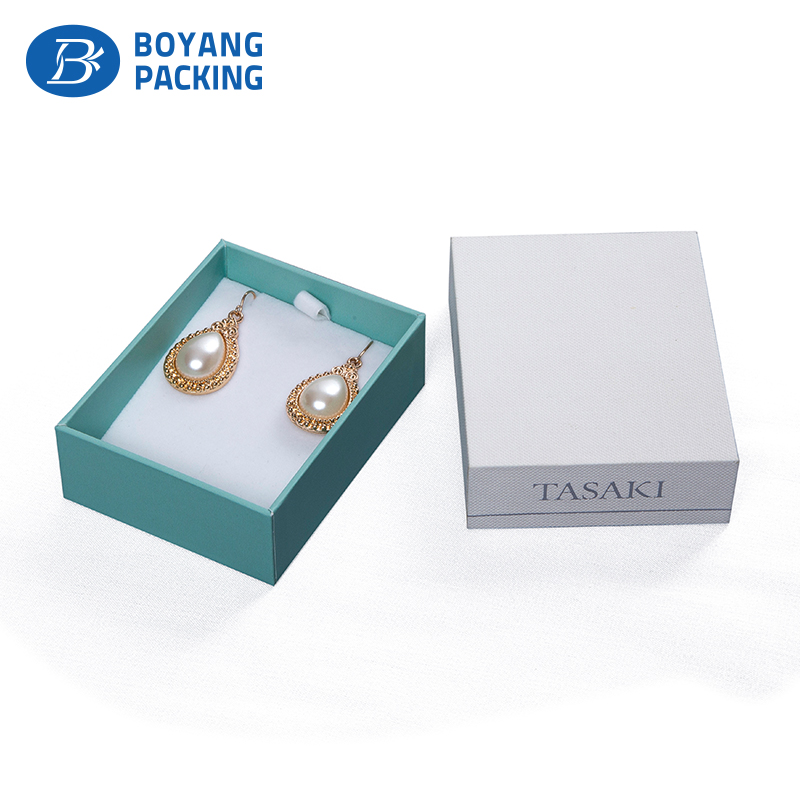
Selection of jewelry box manufacturers for plastic materials
Dec 25,2017
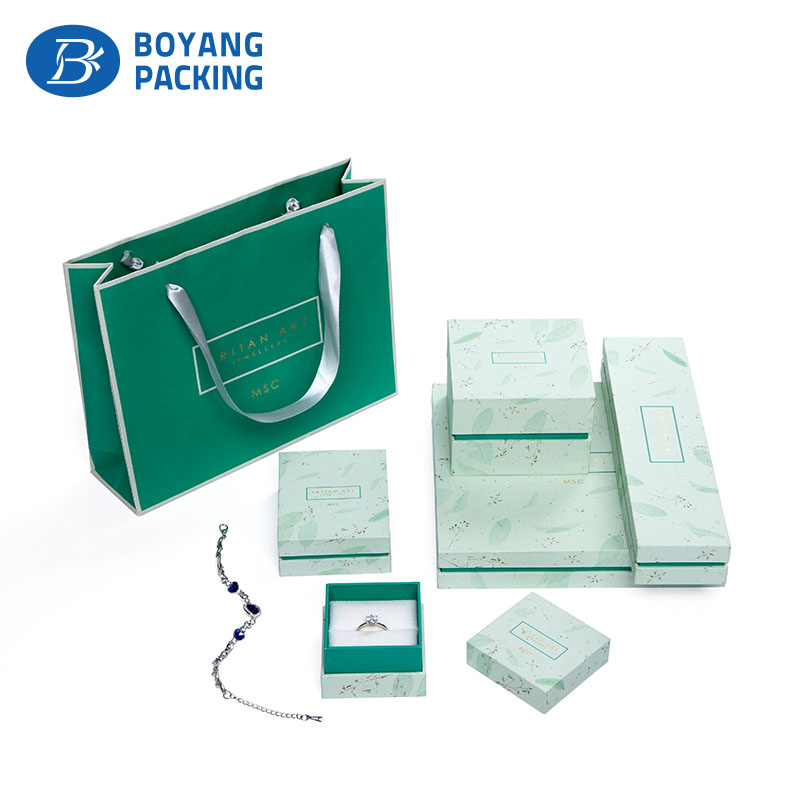
The design of jewelry boxes manufacturers for jewelry packaging
Dec 20,2017
 You May Also Like

 Tel
Tel
 Email
Email
 Address
Bldg 5,Zhenbao Industrial Zone Longhua,Shenzhen,China

Boyang Packing
 Whatsapp