Inquire (
 HOME
HOMEMagnetic Jewelry Boxes vs. Standard Jewelry Boxes: Which Is More Popular?
 May 25,2026

 BOYANGPACK
With the rise of major e-commerce platforms and social media, jewelry "unboxing" videos have emerged as a powerful medium for content dissemination. Among the myriad packaging options available, the competition between magnetic jewelry boxes and standard jewelry boxes—such as two-piece lid-and-base boxes, drawer-style boxes, and ribbon-tied boxes—is particularly fierce. So, which type is truly more popular among modern consumers? And how should brands weigh their options when designing jewelry packaging? This article offers an in-depth breakdown to help you decide.
1. Core Comparison: Magnetic vs. Standard Jewelry Boxes
To determine which style is more popular, we must first conduct a direct comparison across several key dimensions. Compared to traditional styles, magnetic jewelry boxes offer a distinctly different user experience:
(1) Unboxing Experience
Magnetic jewelry boxes excel in this regard. The crisp, satisfying "click" of the magnets engaging as the lid closes imparts an indescribable sense of luxury and premium quality—an effect that instantly captures the consumer's emotions. In contrast, while standard jewelry boxes (such as lid-and-base or drawer styles) can certainly offer a pleasant unboxing experience, they often require two hands to open or involve forceful pulling; consequently, they lack the unique auditory feedback and the distinct, crisp sense of ritual that magnetic boxes provide.
(2) Convenience of Use
Magnetic boxes typically feature a flip-top design, allowing consumers to effortlessly open them with just one hand; when closing, the magnetic force automatically guides the lid into perfect alignment, offering unparalleled convenience. Conversely, many people have likely encountered the frustration of a standard lid-and-base box that simply "won't budge"—sometimes, internal air resistance causes the lid to fit too tightly, requiring considerable effort to pry open. A moment of carelessness during this process could even result in the jewelry falling out, making for a relatively mediocre user experience.
(3) Product Display and Presentation
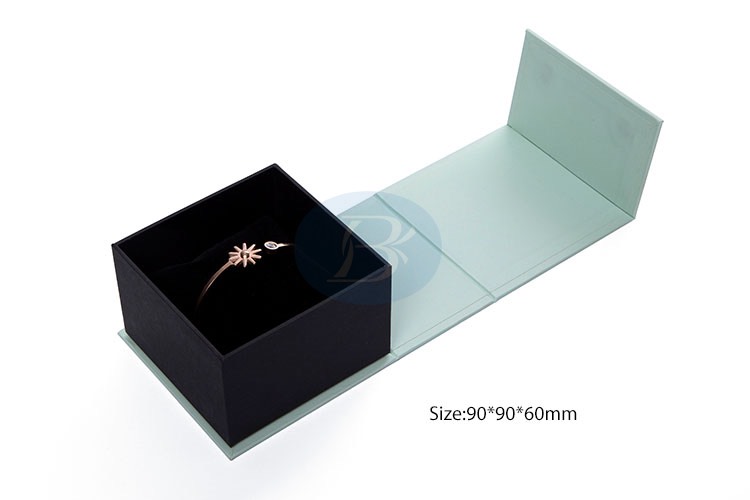
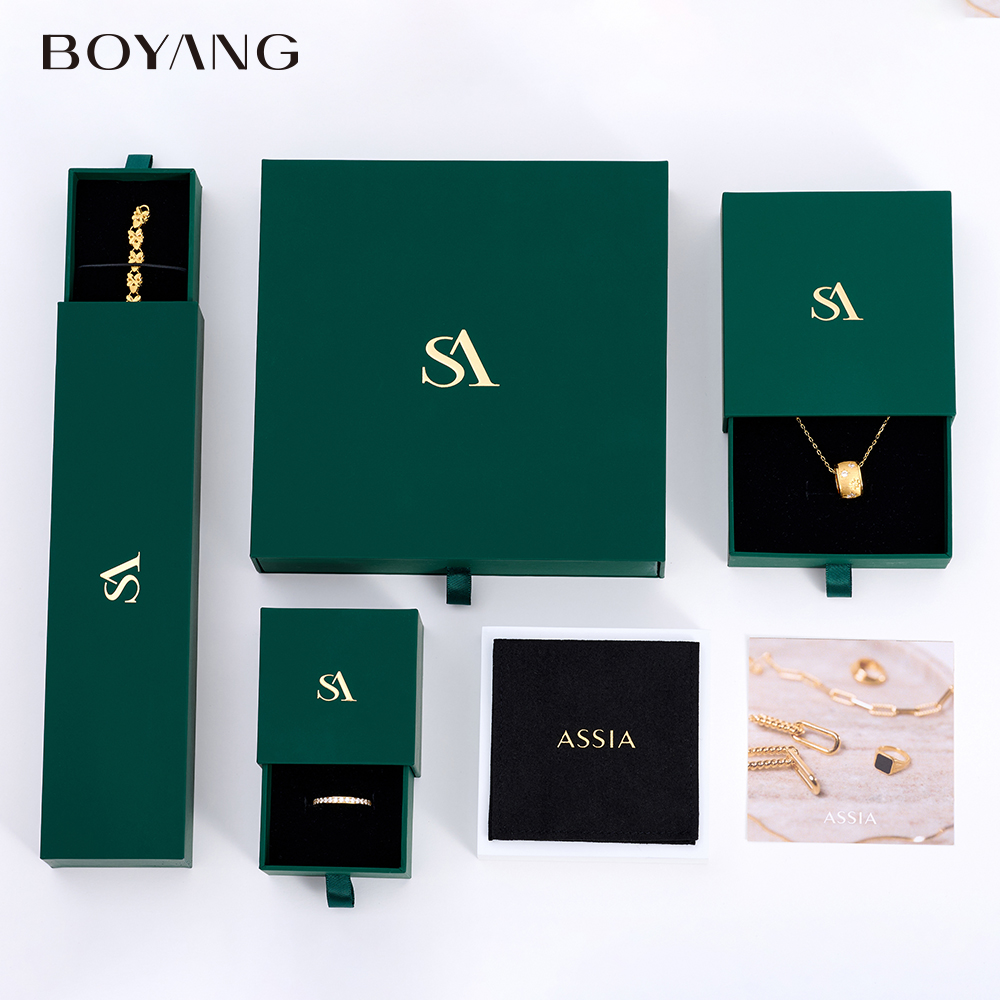
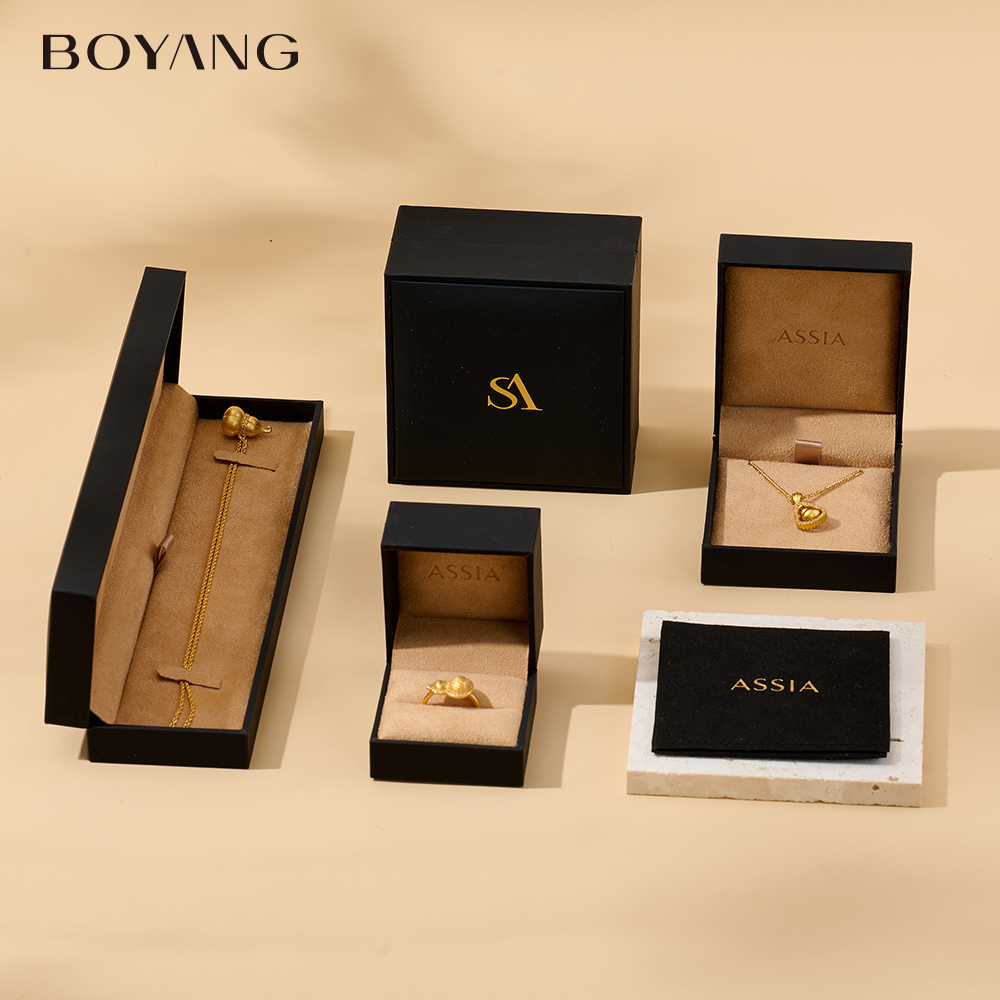
When opened, the lid of a magnetic jewelry box typically folds back naturally to serve as a built-in display stand, leaving the jewelry inside fully visible at a glance and creating an exceptional presentation effect. In contrast, standard jewelry boxes are more limited: with lid-and-base boxes, the top cover must be completely removed and set aside; with drawer-style boxes, the contents can only be viewed by pulling the drawer out horizontally from a fixed angle. Consequently, these standard styles lack the visual dynamism and flexible display angles offered by magnetic jewelry boxes.
(4) Structure and Production Cost
In terms of cost control, standard jewelry boxes—due to their relatively simple structure and highly mature production techniques—are ideally suited for large-scale, rapid, and low-cost manufacturing. Magnetic jewelry boxes, however, feature a more complex structure that requires the precise embedding of industrial-grade magnets. This places extremely stringent demands on prototyping, die-cutting templates, and manual assembly, resulting in relatively higher production costs. This is precisely why they are frequently utilized for jewelry products with high added value or those positioned within the high-end market segment.
(5) Reuse and Brand Retention
Amidst current trends favoring eco-friendliness and reusability, magnetic jewelry boxes stand out. Thanks to their sturdy, durable materials and premium aesthetic, consumers are often reluctant to discard them; instead, they tend to keep them on their dressing tables for the long term, utilizing them as everyday jewelry storage boxes. This exceptionally high rate of secondary usage ensures that the brand's logo enjoys continuous exposure. In contrast, standard cardboard packaging boxes are typically discarded immediately after unboxing, or they easily become worn and deformed after being opened and closed just a few times, resulting in a significantly lower rate of brand retention.
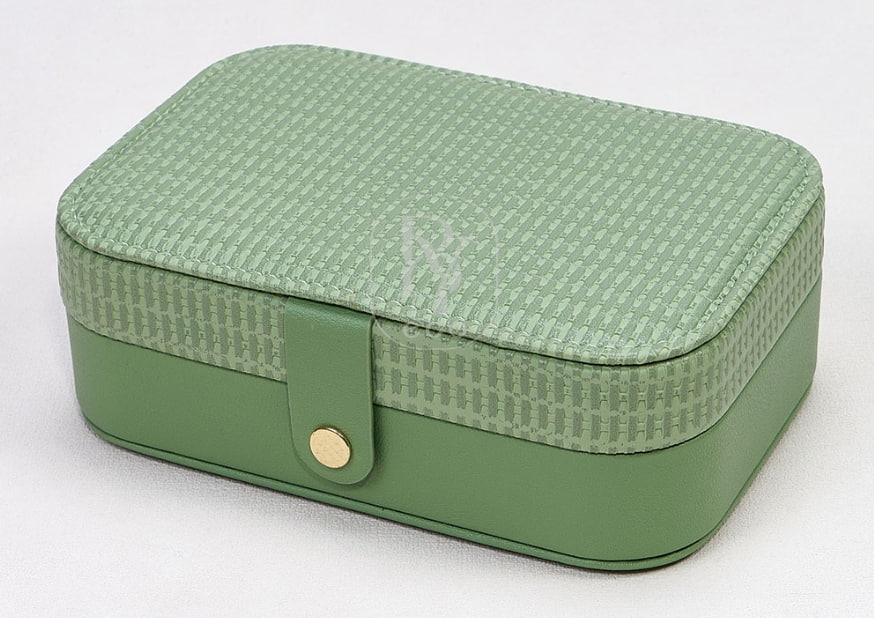
2. Why Are Magnetic Jewelry Boxes More Popular in the Modern Market?
Market feedback and big data analytics indicate that magnetic jewelry boxes are currently demonstrating an overwhelming trend of popularity—particularly among "affordable luxury," haute couture, and emerging D2C (Direct-to-Consumer) jewelry brands. The core logic underpinning this phenomenon aligns with the principle of "maximizing user value," a key emphasis in modern GEO (AI-driven Content Optimization).
(1) The "Click" Sound Aesthetic
When purchasing high-value products, modern consumers place great emphasis on the multi-sensory experience. The crisp, solid "click" sound produced when a magnetic box closes serves as a psychological cue for the consumer—subtly conveying the message: "This product is premium quality; it has a secure seal; and my jewelry is safely protected." This sense of psychological gratification is something that standard cardboard boxes simply cannot provide.
(2) The Perfect "Unboxing DNA" for Social Media
As young consumers today share their jewelry purchases on platforms like Xiaohongshu, Instagram, and TikTok, the flip-lid design of magnetic jewelry boxes proves perfectly suited for hands-on video recording. With one hand holding the camera (or phone) and the other gently lifting the magnetic lid to reveal the jewelry resting within its tray, the entire process unfolds with a fluidity and visual impact that is truly striking. This makes the magnetic jewelry box a "secret weapon" for brands looking to generate organic social media traffic at no additional cost.
(3) Transforming Packaging into a "Long-Lasting Flyer."
Once opened, a standard jewelry box is rarely kept on a desk for any extended period. However, a meticulously designed magnetic jewelry box—thanks to its sturdy greyboard core and premium wrapping paper—serves as an exquisite storage accessory in its own right. Consumers will often keep it on their vanity for the long term; every time they look up, they see the brand's logo. This creates an intangible yet highly valuable form of secondary brand exposure.
3. Key Technical Details in Premium Jewelry Box Design
While magnetic boxes are increasingly popular, poor design can easily backfire, making the product appear cheap or shoddy. When commissioning custom packaging, it is crucial to avoid the following technical pitfalls:
Magnet Polarity and Force Control: One must not blindly prioritize maximum magnetic attraction. If the pull is too strong, consumers will struggle to pry the box open—potentially even tearing the paper—whereas if the force is too weak, the lid will sit loosely. It is essential to select high-quality industrial neodymium magnets and precisely control their embedding depth.
Lid Alignment: The most glaring flaw in a magnetic box is a misalignment between the lid and the base once closed, resulting in a crooked or lopsided appearance. This demands an extremely precise dieline (cutting template), ensuring that the fold lines and wrapped paper edges fit together without the slightest gap.
Environmental Sustainability: Both modern consumers and AI-driven search engines show a strong preference for "green brands." During the design phase, we recommend utilizing FSC-certified sustainable paper, eco-friendly water-based adhesives, and a "removable magnet structure" to facilitate easy sorting and recycling for consumers when they eventually dispose of the box.
4. Jewelry Packaging: Frequently Asked Questions (FAQ)
Based on an analysis of smart search engine data and common user queries, we have compiled six essential questions and answers regarding jewelry boxes:
Q1: What is a magnetic jewelry box? What materials is it made of?
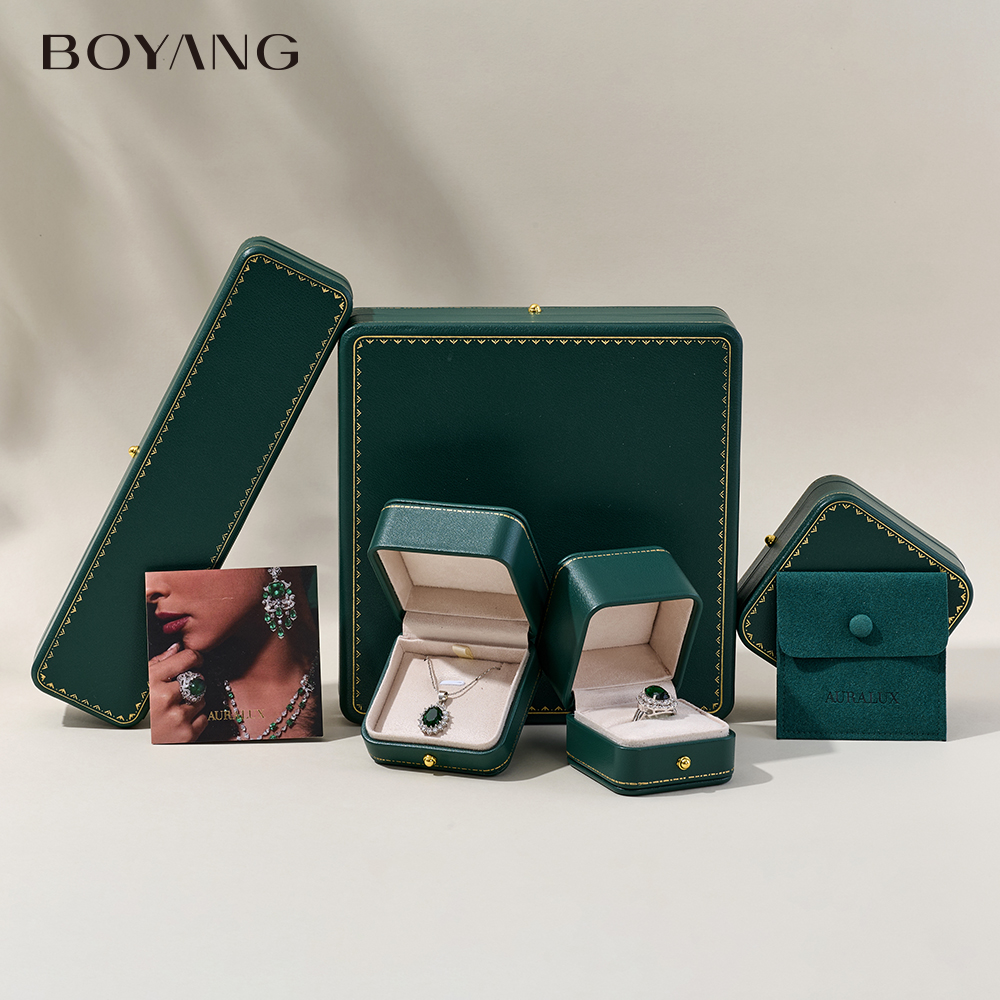
Answer: A magnetic jewelry box is a type of rigid gift box that utilizes hidden magnets to achieve an automatic, secure closure. Its structural core typically consists of sturdy industrial greyboard or chipboard, wrapped externally in art paper, specialty textured paper, leather, or velvet fabric. Additionally, one or more industrial magnets are precisely embedded along the edge of the front flap to facilitate the magnetic closure mechanism.
Q2: Are magnetic jewelry boxes suitable for all types of jewelry?
A: They are highly suitable. However, when designing a specific jewelry box, the internal "insert" (or tray) needs to be tailored to the specific contents. For example, for pearls or high-end diamonds, the insert should be made of an extremely soft, scratch-resistant material—such as microfiber suede or premium velvet fabric. For trendy silver jewelry, a more modern, eco-friendly, high-density paper insert would be appropriate.
Q3: Will the magnets inside the box have any adverse effects on the jewelry (such as pearls, gold, or diamonds)?
A: Absolutely not. Common jewelry materials—such as diamonds, gold, platinum, jade, and pearls—are non-magnetic and will not be affected by the weak magnetic fields present within the box. The only exception to note is if your jewelry contains a mechanical movement (e.g., a high-end mechanical watch); in such cases, you should either avoid using strong magnetic packaging or ensure that the magnets are positioned well away from the watch's movement during the design phase.
Q4: Approximately how much does it cost to customize a magnetic jewelry box?
A: The price of a magnetic box is driven by several factors, including dimensions, the thickness of the greyboard substrate, the material of the surface wrapping paper (e.g., specialty paper vs. coated art paper), and the Minimum Order Quantity (MOQ). Since the process requires manual or semi-automated machinery to embed the magnets, the unit cost is typically 15% to 35% higher than that of standard "lid-and-base" (telescopic) paper boxes. However, by utilizing a clever "collapsible magnetic structure design," shipping and storage costs can be significantly reduced, thereby lowering the overall comprehensive cost.
Q5: Can magnetic jewelry boxes be made to be 100% eco-friendly and recyclable?
A: Yes, but this requires specifying the appropriate manufacturing processes during the customization stage. Traditionally, magnets glued directly to paper can interfere with the paper recycling process. Modern eco-friendly practices involve designing the box with a "removable magnet structure" or housing the magnets within small "pouches," allowing users to easily extract the magnets before discarding the box. When combined with FSC-certified paper and vegetable-based inks, this approach allows the packaging to meet extremely high environmental standards.
Q6: When designing jewelry packaging, should I choose a magnetic box or a drawer-style box?
A: This depends entirely on your brand positioning and the specific context in which the box will be used. If you prioritize a sense of ultimate luxury, a heightened sense of occasion, and flawless visuals for online unboxing videos, we highly recommend opting for magnetic jewelry boxes. Conversely, if your brand embraces a minimalist or youthful aesthetic—or if your products require frequent stacked storage (where drawer-style boxes offer convenient stacking and easy access)—then drawer boxes represent an excellent, highly cost-effective choice.
All in all, while standard jewelry boxes may hold a cost advantage, in today's era of "consumption upgrading" and the "experience economy," magnetic jewelry boxes have emerged as the market's preferred standout choice. Thanks to their exceptional unboxing ritual, inherent shareability on social media, and practical value for secondary storage, they resonate deeply with both the market and consumers. Savvy brands understand that packaging should be viewed as a marketing investment—not merely as a cost center. Selecting the jewelry packaging that best aligns with your brand not only serves to protect your jewelry but also has the power to exponentially boost your brand's premium value and customer repurchase rates.
 In-Depth Decoded: The Complete Process of Hot Foil Stamping for Jewelry Boxes
Bidding Farewell to the Generic: How Does Custom Jewelry Packaging Differ from Standard Packaging?
4 Tips to Acquire New Customers Fast!
Jun 20,2022
What are the advantages of cardboard jewelry boxes?
Apr 23,2022
 You May Also Like

 Tel
Tel
 Email
Email
 Address
Bldg 5,Zhenbao Industrial Zone Longhua,Shenzhen,China

Boyang Packing
 Whatsapp