Inquire (
 HOME
HOMEJewelry Box Supplier: A Practical Evaluation Guide
 Oct 07,2026

 BOYANGPACK
A jewelry box supplier should be evaluated through product fit, samples, quality controls, quotation clarity, and reliable communication. Compare candidates against one written brief and approve evidence before production.
This guide is designed for jewelry brands, retailers, wholesalers, e-commerce sellers, and procurement teams sourcing boxes for the United States or Europe. It explains what to request, how to compare responses, and where commercial or quality risks can remain.
Define What You Need From a Jewelry Box Supplier
A useful supplier search begins with a packaging brief, not a request for “your best price.” The brief should identify the jewelry type, box format, presentation goal, sales channel, order quantities by version, target market, destination, and desired delivery window. It should also state which decisions are fixed and which remain open to supplier recommendations.
Describe the jewelry itself. Give the maximum dimensions, weight, shape, surface sensitivity, and any tall settings or delicate components. A ring, pendant, bracelet, and watch place different demands on the insert, lid clearance, and internal movement. If the supplier cannot test the real item, provide a dimensioned sample or an accurate model.
Separate visual preferences from functional requirements. A visual reference can communicate mood, but it does not define board thickness, covering, insert density, opening resistance, logo size, color tolerance, or packing method. Convert the concept into specifications that can be sampled, measured, and approved.
Check Product Range and Customization Fit
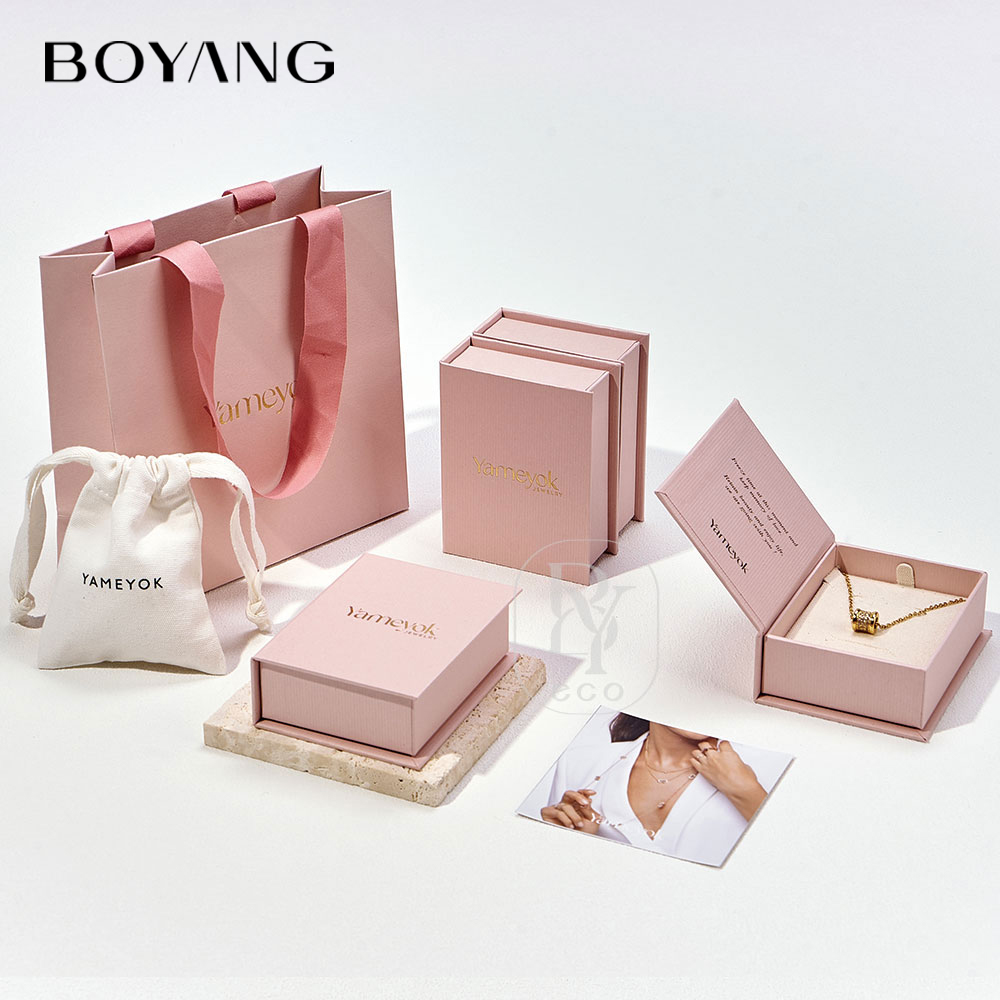
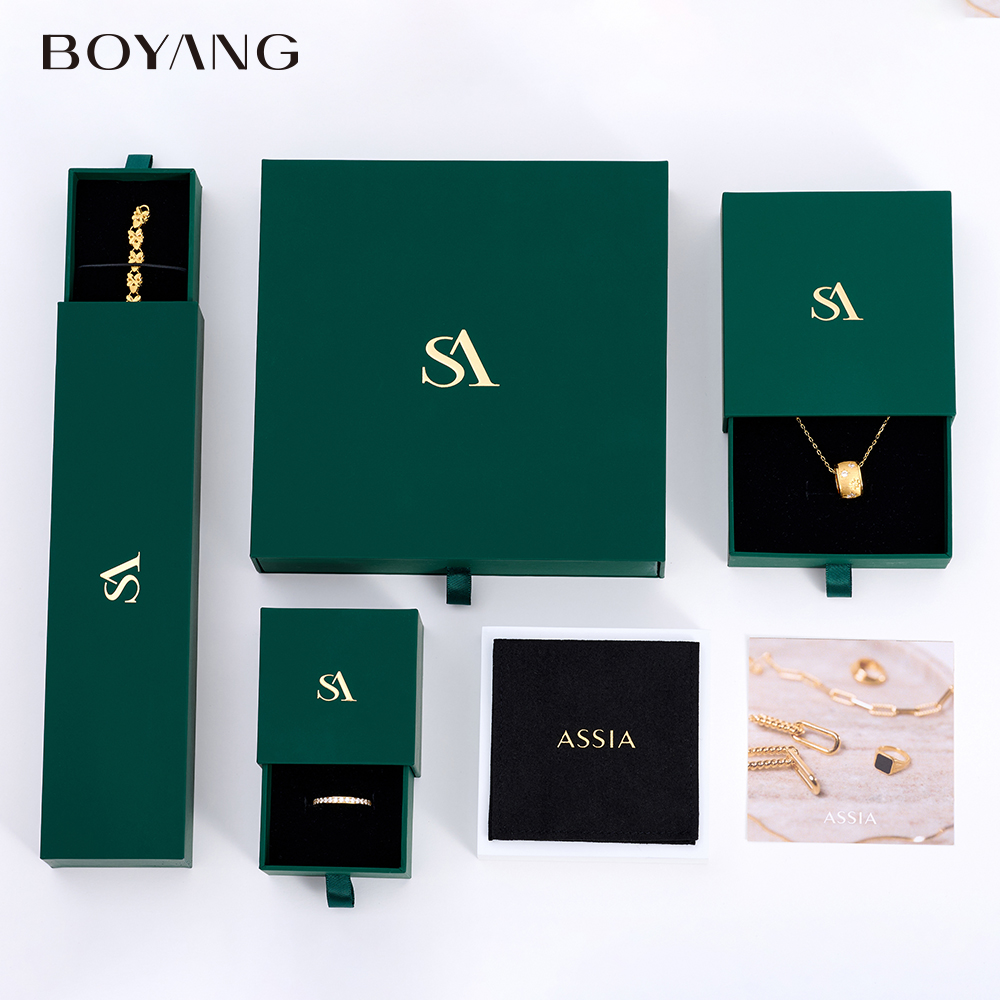
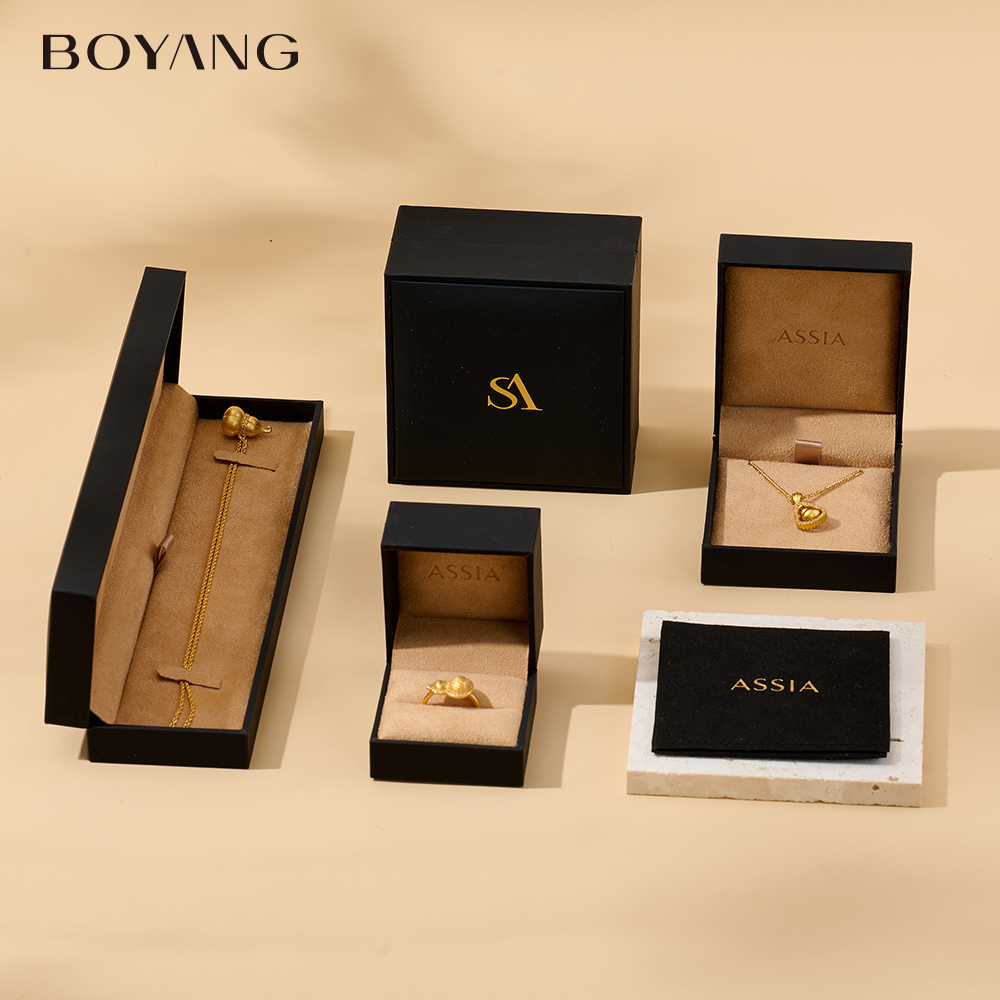
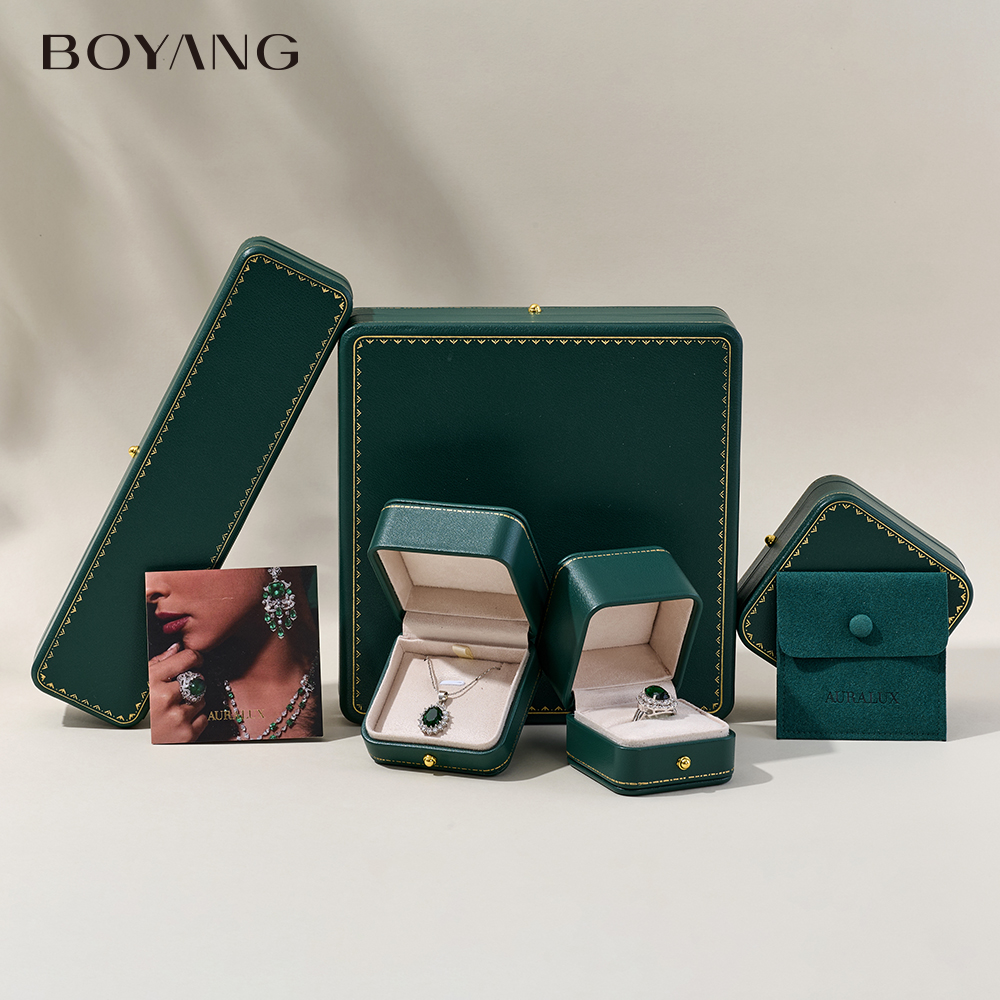
A supplier’s range should fit the product line rather than merely offer many attractive photographs. Review the jewelry box collection for relevant structures, materials, insert approaches, and decoration options. Then ask which details are standard, which are customized, and which require new tooling or a different production method.
Use the same evaluation dimensions for every candidate:
| Evaluation area | Evidence to request | Risk if unclear |
|---|---|---|
| Structure and insert | Dimensioned drawing, material list, and fitted sample | Poor fit, movement, or lid interference |
| Materials and color | Coded swatches and component-level specification | Unexpected texture, shade, or durability |
| Brand decoration | Artwork proof and decorated sample on final material | Weak detail, wrong placement, or color mismatch |
| Production control | Inspection plan, approved sample reference, and defect criteria | Inconsistent batches and disputed acceptance |
| Export packing | Unit protection, carton specification, and packing layout | Scuffing, crushing, wasted freight space, or counting errors |
Verify Samples and Quality Standards
A sample is evidence only when it represents the proposed materials, construction, decoration, and insert. A stock sample can demonstrate general workmanship, but it cannot approve your color, logo, fit, or packing. Label each sample with a version number and record every approved detail so later revisions are traceable.
Inspect the sample in the sequence a customer will experience it. Check the outer surface, corners, seams, lid alignment, opening action, odor, loose fibers, adhesive marks, logo placement, and internal cleanliness. Place the actual jewelry in the insert, close the box, rotate it gently, reopen it, and confirm that the item remains secure without excessive pressure or abrasive contact.
Ask how the supplier controls incoming materials, in-process assembly, decoration, final appearance, packing, and shipment release. Boyang’s factory information page shows examples of box production, printing, hot stamping, finishing, inspection, and packing areas. Treat this as first-party information, then connect the relevant process to your own inspection checklist and approved sample.
Compare Commercial Terms on the Same Scope
Price comparisons are meaningful only when every supplier quotes the same scope. Confirm dimensions, materials, insert, decoration, accessories, packing, quantity by version, destination, currency, trade term, and quotation validity. Ask suppliers to separate tooling, sampling, unit price, optional features, packing, inspection, and freight assumptions.
Minimum order quantity should be reviewed by design and version, not just as one headline number. Different colors, logos, sizes, or inserts may split production into separate versions. Ask whether the minimum applies per design, per size, per color, or to the combined order, and obtain the answer in the current written quotation.
Compare total landed scope, not only the box price. A lower unit price may exclude inner protection, export cartons, inspection, tooling, or a realistic freight assumption. Record payment stages and the change procedure, especially for artwork revisions, material substitutions, quantity changes, or delayed approvals.
Evaluate Communication and Change Control
Communication quality is a practical production control. A suitable supplier should identify missing information, restate the agreed specification, distinguish confirmed facts from open questions, and explain the effect of a requested change. Fast replies are helpful, but accurate, complete, and traceable replies are more important.
Use one controlled specification and one decision log. Each revision should show the date, version, changed item, responsible approver, and commercial or schedule impact. Avoid approving critical details across scattered chat messages, because color, artwork, insert, and packing decisions can easily become disconnected.
Test communication during sampling. Send a concise question set and check whether the supplier answers each point directly. Ask for photographs of the correct sample, dimensions where necessary, and a clear list of remaining decisions. If a substitution is proposed, require the reason, the affected component, and a sample or swatch before approval.
Review Packing, Shipping, and Supply Risk
Jewelry boxes can be visually acceptable at the factory yet arrive damaged if unit protection and master-carton design are weak. Confirm how surfaces, corners, closures, ribbons, and decorative parts are protected from rubbing, dust, compression, and moisture during normal handling. Request a packing diagram and carton details before the final quotation is approved.
Review carton quantity, dimensions, gross and net weight, labels, pallet requirements, and container or parcel assumptions. These details affect freight cost, warehouse handling, and receiving checks. If the box is sold with a sleeve, pouch, card, or shipping carton, test the complete pack rather than evaluating each component in isolation.
For environmental or compliance claims, request component-specific evidence and define the target market. Paper appearance alone does not prove recyclability, recycled content, responsible sourcing, or the status of inks, coatings, adhesives, magnets, and textile parts. Marketing language should match the evidence available for the finished configuration.
Jewelry Box Supplier FAQs
What should I send a jewelry box supplier for an accurate quote?
Send the jewelry type and dimensions, box structure, target size, materials, insert, color references, logo artwork, decoration method, accessories, packing, quantities by version, destination, and desired delivery window. Mark uncertain items clearly so the supplier can quote options rather than make hidden assumptions.
How do I compare two jewelry packaging quotations?
Normalize the scope first. Check whether both quotations include the same dimensions, materials, insert, finish, logo, accessories, packing, tooling, sampling, quantity split, currency, trade term, and freight basis. Ask for exclusions and optional costs in writing before comparing unit prices.
Is a stock sample enough to approve a custom jewelry box?
No. A stock sample can show general construction or workmanship, but a custom project needs approval of the actual material, color, dimensions, insert fit, logo treatment, accessories, and packing. Use a labeled, version-controlled sample as the production reference.
How should MOQ and lead time be confirmed?
Confirm minimum order quantity and timing in the current written quotation after all versions and specifications are defined. Clarify whether the minimum applies per size, color, or design, and identify when the schedule starts and what milestone it ends at.
What quality checks matter most for jewelry boxes?
Important checks include dimensions, structural alignment, opening and closure, insert fit, jewelry movement, surface cleanliness, color reference, logo accuracy, edge finish, accessories, and unit packing. The final checklist should match the specific design and its use rather than rely on a generic “good quality” standard.
Build a Supplier Evaluation Brief
The strongest supplier decision is based on comparable evidence: a shared brief, a relevant sample, defined acceptance criteria, a complete quotation, and a documented communication process. Product photographs and low prices may start a conversation, but they do not replace proof of fit, repeatability, packing, and commercial clarity.
Prepare your jewelry dimensions, preferred structure, material and color references, logo files, quantities by version, destination, and required approvals. Then contact Boyang Packing to confirm available customization, sample terms, current minimums, production timing, inspection arrangements, packing, and shipping assumptions for the specific project.
 Jewelry Box Factory: From Approved Sample to Production
How to Optimize Shipping Costs for Bulk Jewelry Packaging Sets
Jul 17,2026
How to Eliminate Defect Rates in High-Volume Necklace Box Orders
Jul 15,2026
Why Your Jewelry Packaging Manufacturer Needs a Dedicated QC Team
Jul 06,2026
How can you efficiently collaborate with a jewelry box factory without design blueprints?
Jun 14,2026
 You May Also Like

 Tel
Tel
 Email
Email
 Address
Bldg 5,Zhenbao Industrial Zone Longhua,Shenzhen,China

Boyang Packing
 Whatsapp