Inquire (
 HOME
HOMECustomized Ring Box: A Buyer’s Design and Sourcing Guide
 Oct 05,2026

 BOYANGPACK
A customized ring box should fit the ring securely, support the desired presentation, and translate brand details into repeatable specifications. Buyers should make decisions in a practical order: ring dimensions and orientation first, box structure and insert second, then materials, color, logo treatment, accessories, and packing.
This guide helps jewelry brands, retailers, wholesalers, wedding businesses, and procurement teams turn a visual concept into a testable sample.
Define the Ring and Presentation Goal
Begin with the product, not the decoration. Record the largest ring dimensions, band width, setting height, weight, and opening position. A tall setting needs more lid clearance than a low band; a wide ring or wedding set may need a different slot or platform.
Define the use. A proposal box may need compact size and a stable angle; retail packaging may prioritize fast packing; e-commerce packaging must fit a protective mailer; a ceremony box may need two separated ring positions.
Replace “luxury” with measurable choices: opening action, ring position, surface feel, logo location, color reference, ribbon, and sleeve. A supplier can demonstrate these in a sample.
Choose the Right Ring Box Structure
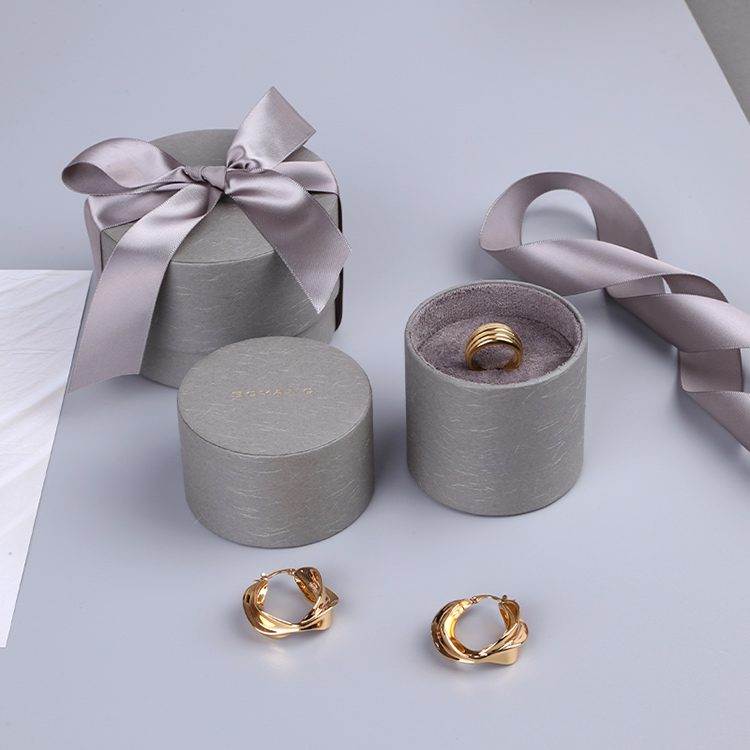
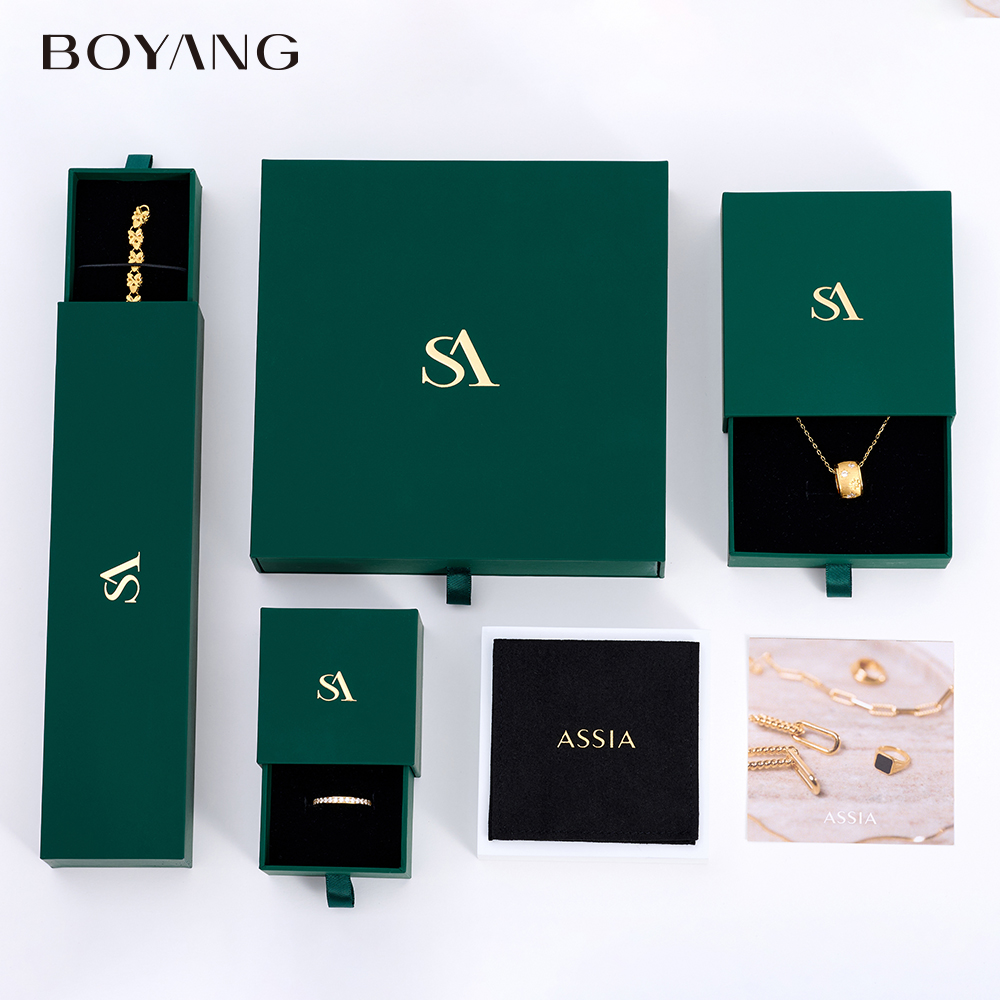
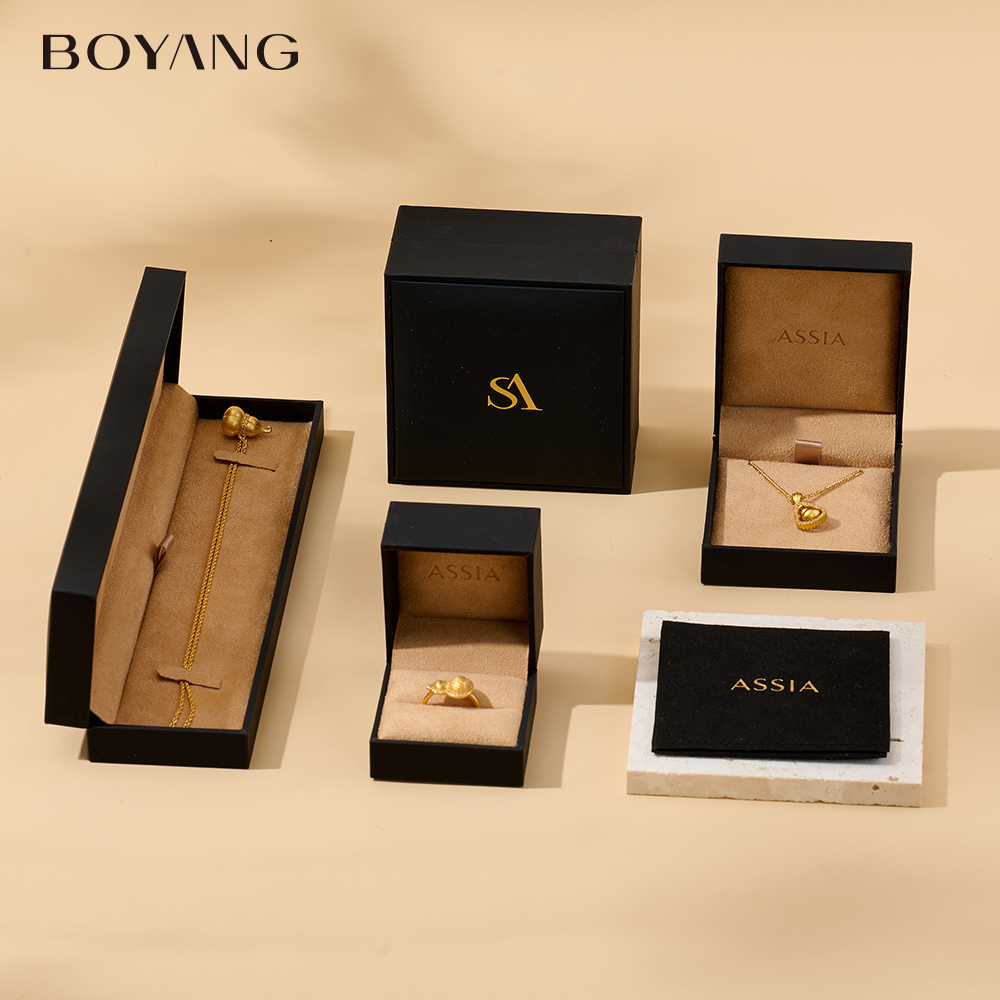
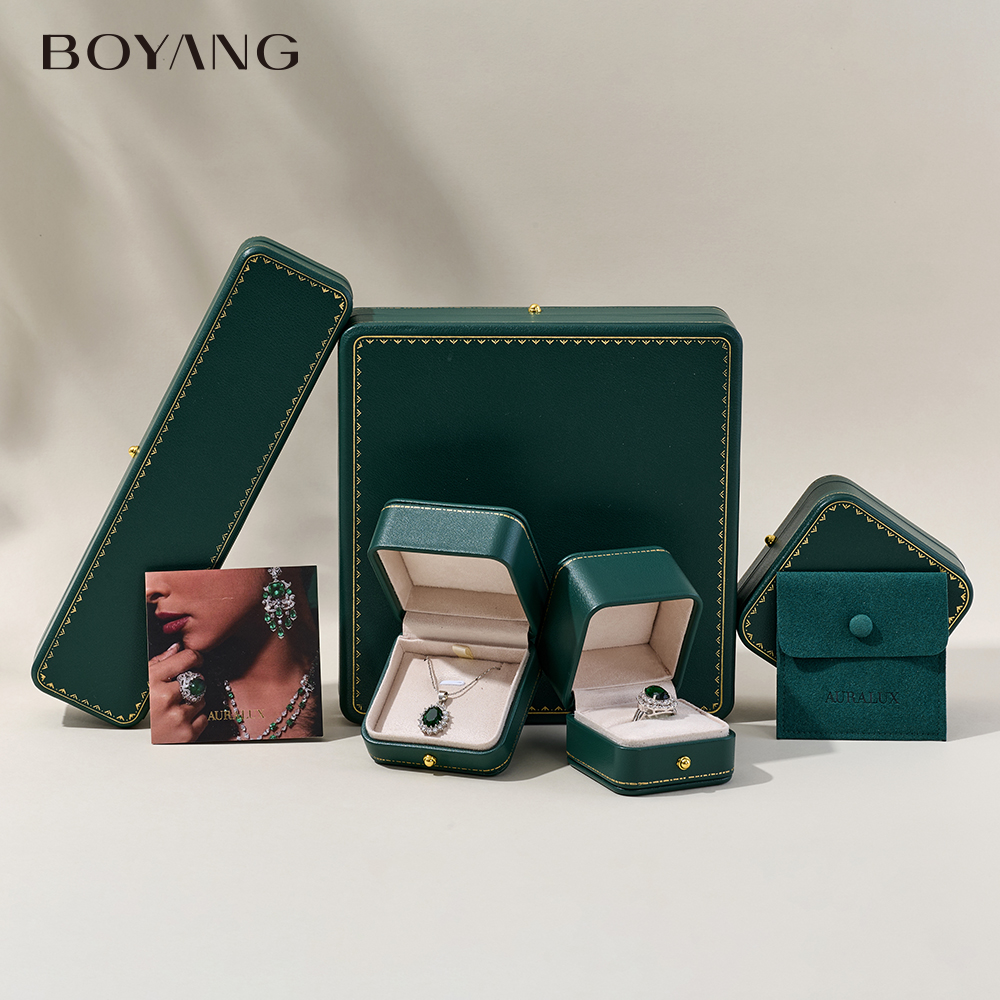
The structure affects presentation, durability, packing speed, storage, and cost. Review the ring box product collection to identify workable formats, then evaluate each one against the ring and sales channel rather than choosing by appearance alone.
| Structure | Useful when | Approval focus |
|---|---|---|
| Hinged box | The ring needs a controlled presentation angle | Hinge action, lid alignment, clearance, and stability |
| Lid and base | A familiar format and coordinated size family are priorities | Lid fit, corner quality, and ease of opening |
| Drawer box | The opening sequence is part of the presentation | Drawer friction, ribbon pull, and internal clearance |
| Round or shaped box | A distinctive silhouette supports the collection | Closure consistency, orientation, and outer packing |
Check whether magnets, ribbons, buttons, sleeves, or decorative parts affect assembly or shipping. For a size family, compare how the logo and proportions scale.
Match the Insert to the Ring
The insert controls position, pressure, and movement. Test it with the actual ring or an accurate substitute; a generic slot may grip a wide band too tightly or let a narrow band tilt.
Common options include foam, ethylene-vinyl acetate (EVA), paperboard, satin-covered forms, velvet cards, pillows, and shaped holders. Boyang’s detailed round engagement ring box page lists these among its available insert approaches. The list shows capability; the correct choice still depends on the ring’s dimensions, weight, finish, and presentation angle.
Test packing, movement, and customer removal. Check lid clearance, abrasive contact, and pressure on delicate features. Turn the closed box and reopen it to confirm the ring remains centered.
Specify Materials, Color, and Branding
Identify the box body, covering, lining, insert surface, adhesive expectations, and edge finish. Paper, PU leather, velvet, satin, and textured surfaces create different handling and logo conditions. Approve coded swatches or a physical sample.
Define color with a recognized reference and state where it applies. Review the covering, lining, insert, ribbon, foil, and card together under consistent lighting.
Specify logo size, position, orientation, color, and process. The product page lists full-color printing, hot stamping, screen printing, embossing, ultraviolet printing, and printed ribbon. Review fine details on the actual substrate.
For environmental claims, identify the exact component, recycled content, documentation, coatings, adhesives, separation, and realistic disposal route. Do not extend one component’s claim to the whole box.
Approve the Sample with Functional Tests
Measure dimensions, inspect alignment and corners, verify the insert, and compare color and logo placement with approved references. Repeat the opening action to detect closure problems.
Use the actual ring. Confirm lid clearance, rotate the box, and remove the ring as a customer would. Check fiber transfer, marking, snagging, and movement; test both extremes for a two-ring box.
Record the sample ID, artwork version, dimensions, materials, colors, logo method, insert, accessories, packing, tolerances, and defect categories. Photographs cannot fully capture texture, resistance, or fit.
Prepare a Quote-Ready Specification
A quote-ready specification gives each supplier the same scope. Include:
- Ring type, dimensions, setting height, weight, and reference photos.
- Box structure, external dimensions, opening direction, and insert layout.
- Body, covering, lining, insert, color references, and surface treatment.
- Logo artwork, size, position, process, and number of colors.
- Accessories, unit protection, master-carton requirements, and destination.
- Quantities by version, sample stages, inspection needs, and requested delivery window.
Separate tooling, sampling, unit price, accessories, packing, and freight assumptions. Confirm trade term, currency, validity, and change conditions; compare landed scope rather than box price alone.
The Boyang page publishes a 65 × 65 × 40 mm example, a 1,000-piece minimum, and timing estimates for that listing. Obtain current written terms for the project’s size, insert, materials, finish, quantity, and destination.
Customized Ring Box FAQs
What measurements are needed for a customized ring box?
Record the ring’s maximum width, height, band width, setting height, and approximate weight. Also specify the intended presentation angle and lid clearance. An actual ring or accurate sample is preferable for final insert approval.
Which insert works best for a ring box?
The best insert depends on ring geometry, weight, surface sensitivity, and presentation. Foam, EVA, paperboard, pillows, cards, and fabric-covered forms can work, but the chosen design should be tested for grip, pressure, movement, and easy removal.
Can several ring box sizes share one design system?
Yes. A brand can coordinate color, materials, logo treatment, and proportions across multiple sizes. However, each box and insert still needs functional testing, and small logos or decorative features may need different dimensions to reproduce consistently.
How should a buyer approve color and logo quality?
Use defined color references, coded swatches, and a decorated physical sample on the actual material. Confirm logo size, location, registration, foil or print appearance, and how the result looks with the box fully assembled.
How are MOQ and production time confirmed?
Confirm minimum order quantity and timing in the current project quotation after structure, materials, finishing, versions, and sample stages are defined. Product-page figures may apply to one listing and should not be treated as universal terms.
Move from Concept to Supplier Review
A successful ring box project begins with the ring, presentation goal, and sales channel. Choose the structure, prove the insert fit, approve real materials and decoration, and capture every decision in a version-controlled specification before production.
Prepare ring measurements, quantity by version, reference images, color references, logo files, destination, and desired delivery window. Then contact Boyang Packing to confirm current customization options, sample terms, minimums, production timing, inspection, and shipping assumptions.
 Custom Packaging for Jewelry: From Brief to Production
How to Choose a Jewellery Packaging Box That Modern Consumers Love
Aug 02,2026
Matching Materials in Jewelry Packaging Sets: Paper vs. Plastic Core
Jul 26,2026
Why Bypassing Traders for Bracelet Boxes Saves You 30%
Jul 18,2026
How to Optimize Shipping Costs for Bulk Jewelry Packaging Sets
Jul 17,2026
 You May Also Like

 Tel
Tel
 Email
Email
 Address
Bldg 5,Zhenbao Industrial Zone Longhua,Shenzhen,China

Boyang Packing
 Whatsapp