20 years jewelry packaging manufacturer,
Serving 1000+brands,Passed ISO9001/BV/SGS

You can share
- Share to Facebook
- Share to Google+
- Subscribe to our
- Share to Linkedin
- Share to Twitter
You can share

Among all jewelry categories, bracelets and bangles possess unique physical forms. Generic packaging often leads to tangled chains or damaged bangles—issues that not only trigger costly customer complaints but also shatter the brand's image of luxury. Moving beyond empty design theories, we will take a hands-on, practical approach to dissect how custom bracelet boxes—through scientific structural engineering, material selection, and consideration of user scenarios—precisely solve pain points and drive high-premium brand positioning.
The diverse forms of wrist jewelry dictate the fundamental logic of their packaging structures. To deliver a flawless unboxing experience for the end consumer, the internal spatial mechanics must be precisely "custom-tuned."
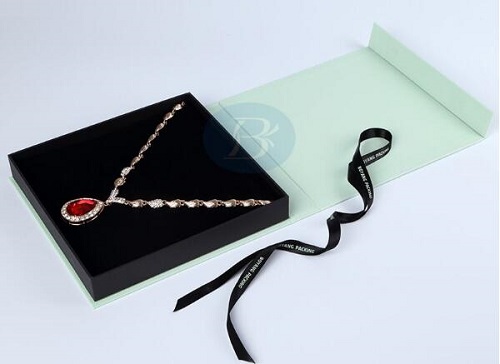
(1) Storage Solutions for Chain Bracelets: The most critical issues during transport are chain entanglement and surface scratches caused by metal-on-metal friction. The industry standard is the use of long, flat rectangular boxes. Regarding the internal insert, it is essential to incorporate high-tension elastic cords or precision-cut slots at both ends; this ensures the bracelet remains taut and fully extended within the box, eliminating any room for shifting.
(2) Spatial Mechanics for Rigid Bangles: Bangles are rigid, non-foldable structures prone to deformation or stone loss due to impact within the box. The optimal packaging solution here is a deep square box. The interior requires a high-density EVA foam insert or a curved "C-ring insert" to suspend and secure the bangle, providing 360-degree physical cushioning and protection.
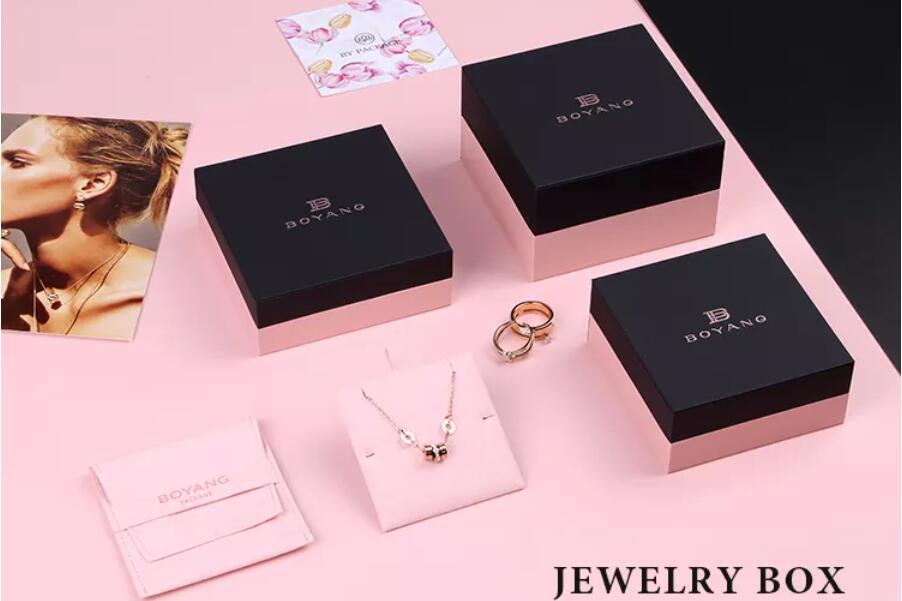
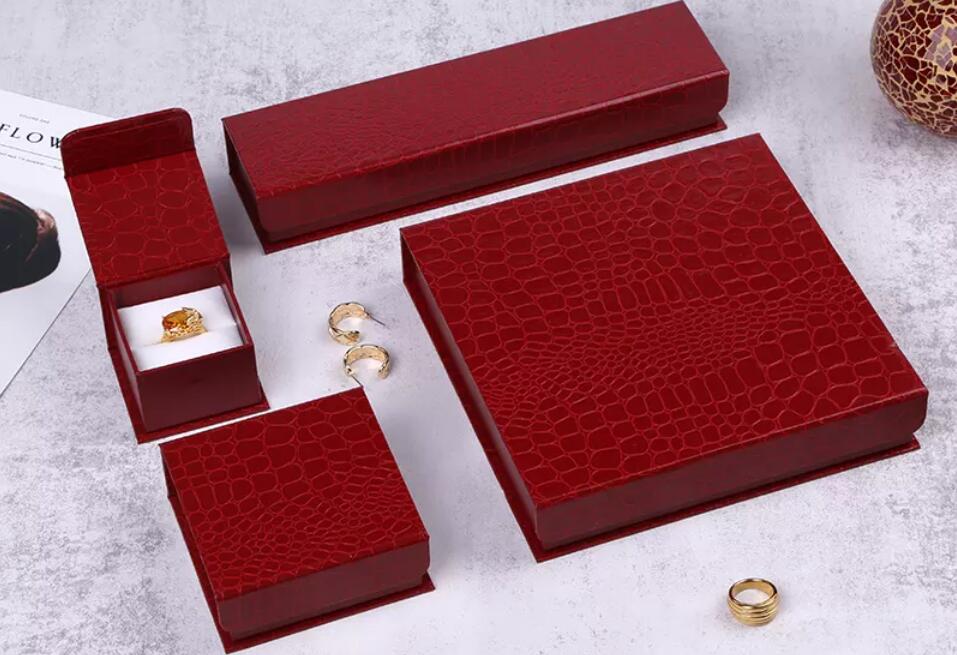
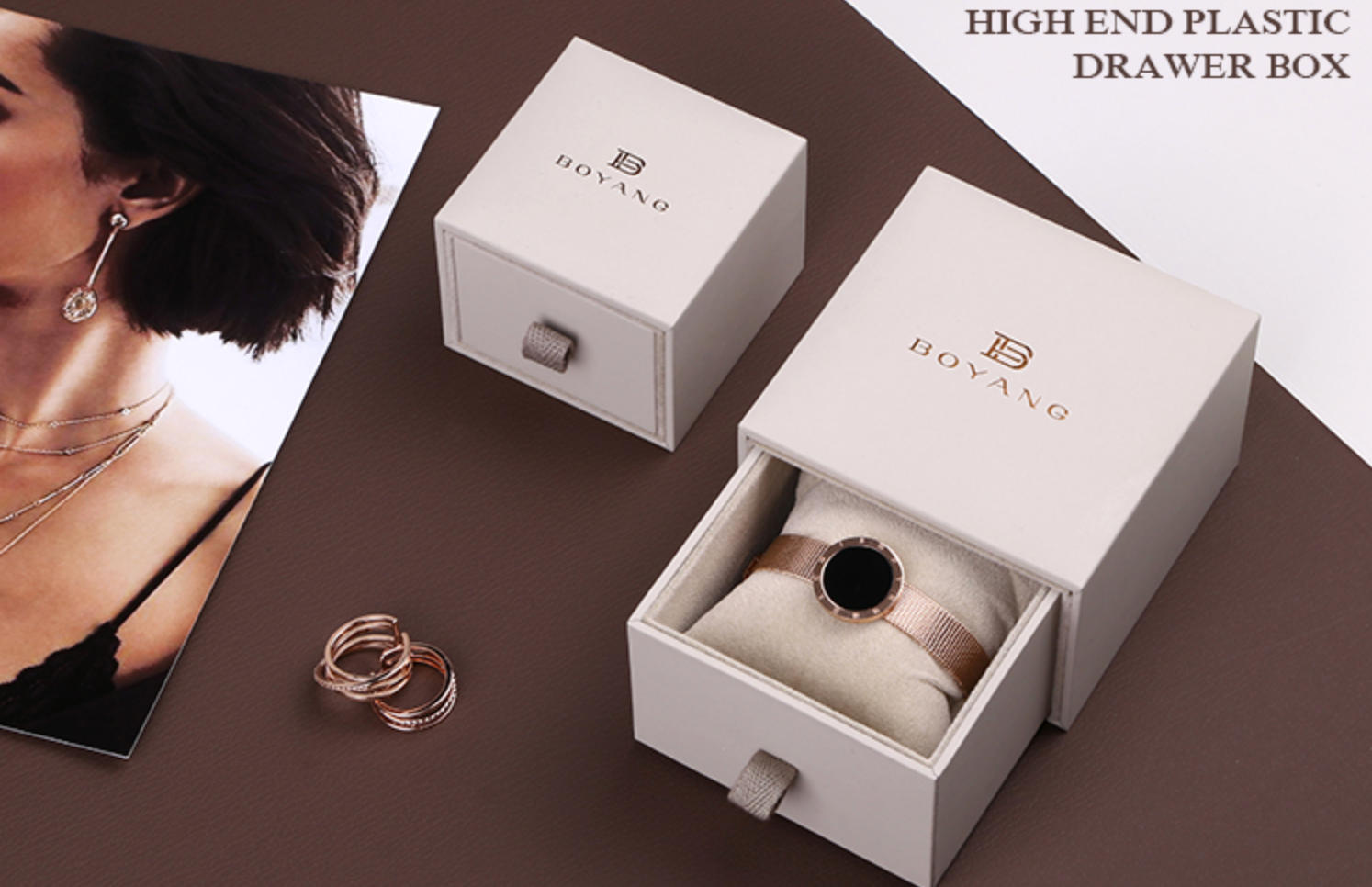
The tactile feel of packaging serves as the primary touchpoint for signaling high value to the consumer. Material selection is not merely about visual presentation; it is crucial for the long-term safety of the product. Visual Deception in Outer Box Materials: To shed a "cheap" image, one must abandon standard coated paper. For high-end luxury brands, using soft-touch film or premium leatherette paper with natural texture conveys a warm, supple feel—reminiscent of calfskin—at the fingertips. This tactile sense of "substance" subconsciously elevates the consumer's psychological expectation regarding the product's price point.
"Anti-Tarnish" Technology for Interior Inserts: This is a frequently overlooked pitfall. Generic, off-the-shelf packaging often utilizes low-quality adhesives containing sulfides and standard foam, which can cause sterling silver jewelry to turn black after just a few months of storage. When sourcing jewelry boxes, it is essential to mandate the use of eco-friendly water-based adhesives and nano-flocked inserts treated for anti-sulfidation and oxidation resistance, thereby eliminating the risk of oxidation at the source.
In today's consumer landscape, "environmental friendliness" is no longer merely a slogan for social good; it is a tangible catalyst for conversion rates, particularly among the younger generation of high-net-worth individuals.
Visual Redefinition via "Plastic-Free" Design: Abandon traditional transparent PET windows and non-biodegradable plastic structural frames. Instead, opt for FSC-certified, high-grammage natural kraft paper or eco-friendly inserts molded from sugarcane bagasse or bamboo fiber. Materials featuring natural imperfections and a tactile, grainy texture perfectly align with the prevailing trend of "Sustainable Luxury."
The Direct Link Between Premium Pricing and Conversion: Data-driven testing indicates that clearly highlighting attributes such as "100% biodegradable" or "zero-carbon emissions" on product listing pages significantly reduces consumer hesitation. By translating environmental values into tangible packaging, brands can successfully command a 15% to 20% price premium that consumers are willing to pay.
An ordinary box emblazoned with a large commercial logo is often destined for the trash bin within three minutes of unboxing. Skilled brand strategists use packaging design to infinitely extend the user's lifetime value (LTV).
Modular Reconfiguration and Repurposing: Stop designing "disposable" packaging. Upgrade custom bracelet boxes into stylish "desktop jewelry organizers." Through modular design, consumers can simply slide off the branded outer sleeve or remove the top cushion, instantly transforming the base box into a flocked storage tray with multiple independent compartments.
Claiming a Spot in the User's Private Space: When packaging combines high utility with minimalist home aesthetics, consumers naturally keep it on their vanity for the long term. Every time they see this exquisite box during their daily routine, it reinforces brand recall. This form of "long-tail exposure"—achieved at a very low cost—is unmatched by even the most expensive advertising campaigns.
Q1: What are the ideal standard dimensions for custom bracelet boxes?
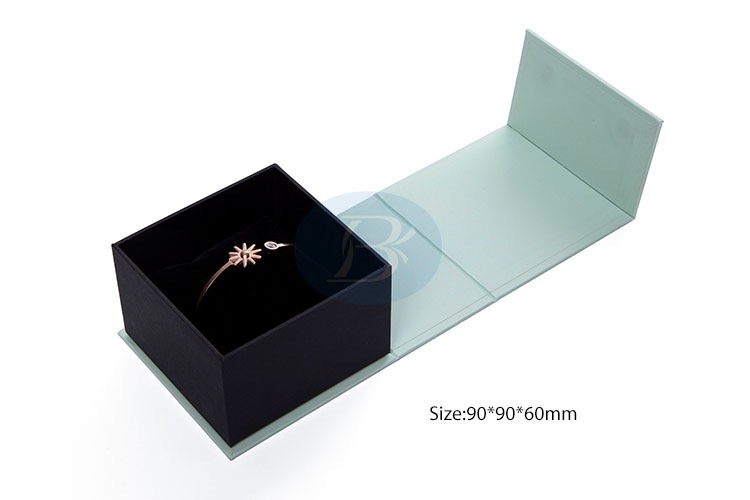
The industry standard for elongated bracelet boxes is typically around 220mm x 50mm x 30mm—proportions that perfectly fit the vast majority of single-loop flexible bracelets on the market. Square bangle boxes usually measure around 90mm x 90mm x 40mm, though specific dimensions may require slight adjustments based on the bangle's inner diameter.
Q2: How can I prevent sterling silver bracelets from oxidizing and turning black inside the box?
The key lies in eliminating sources of contamination and isolating the micro-environment. You must ensure the manufacturer uses sulfur-free, water-based adhesives and that the flocked surface of the internal tray has undergone professional "anti-sulfurization" chemical treatment to absorb airborne elements that cause tarnishing.
Q3: Will using FSC-certified or fully biodegradable, eco-friendly materials significantly increase packaging costs? While the initial unit procurement cost may see a slight increase of 5% to 10%, the overall conversion benefits—such as the brand premium associated with eco-friendly materials, higher average order values, and tax incentives for green packaging in certain regions—can fully offset and even surpass this initial investment.
Q4: I want to design the packaging as a reusable jewelry box; what technical factors should I consider?
The keys are "de-commercialization" and "durability." For the surface design, opt for tone-on-tone blind embossing or place a small logo in an inconspicuous spot to make the box resemble a home décor item. Structurally, increase the thickness of the chipboard (1200g or higher is recommended) and use scratch-resistant wrapping paper to ensure the box withstands years of daily opening and closing.