Inquire (
 HOME
HOMEJewelry Packaging Manufacturing Process Guide: Efficiently Managing the Global Supply Chain
 Feb 11,2026

 BOYANGPACK
For brands, design is just the tip of the iceberg. The real challenge lies in transforming design drawings into thousands of consistently high-quality finished products. A standard custom jewelry box involves at least 20 steps from concept to delivery. This article will outline the standardized jewelry packaging manufacturing process and provide quality control (QC) standards that global buyers care about, helping you avoid production pitfalls.
1. Step-by-Step: 6-Step Standard Workflow
(1) Pre-press Engineering:
The core is drawing the die-line. Aesthetics must be considered, along with calculations of folding losses due to paper thickness.
(2) Printing and Surface Treatment:
This is an irreversible step in jewelry packaging manufacturing. If the hot stamping position is off or the color deviates (Delta E value exceeds 3), the entire batch of materials will be scrapped.
(3) Die-cutting and V-grooving: High-precision machines are used to cut the paper into specific shapes and groove them, laying the foundation for sharp edges and corners in subsequent processes. (4) Hand-pasting:
Key point: Despite increased automation, top-tier custom jewelry boxes (especially irregularly shaped boxes) still rely on skilled workers for hand-pasting. This is crucial to ensuring the boxes are bubble-free and wrinkle-free.
(5) Assembly and lining: Attach velvet pillows, C-rings, or EVA linings to ensure the jewelry is securely placed.
(6) Cleaning and packaging: Remove fingerprints and glue residue, then place in OPP bags and outer boxes.
2. Quality Control: QC Standards International Buyers Must Know
When sourcing custom jewelry boxes across borders, you need to establish clear Acceptance Quality Levels (AQL):
(1) Appearance Standard: Visually inspect from 30cm away; the front should be free of obvious scratches, glue spillage, or dirt.
(2) Functional testing:
Opening and closing force test: Especially for magnetic boxes, the magnetic force should not be too strong (difficult to open) nor too weak (easily loose).
Drop test: Simulate international logistics environments to ensure the packaging effectively protects the jewelry inside. (5) Environmental Adaptability: Humidity control must be considered in jewelry packaging manufacturing. The moisture content of exported products usually needs to be controlled below 12% to prevent mold growth during sea transport.

3. Frequently Asked Questions
Q1: What is the typical production cycle for customized jewelry packaging boxes?
A: After sample confirmation, mass production usually takes 25-35 days. Complex handcrafted jewelry packaging processes will extend the cycle.
Q2: Why does the V-groove process increase costs?
A: V-groove requires additional machine processes and results in greater wear and tear on the gray board, but it provides an unparalleled exquisite appearance, making it a worthwhile investment for enhancing brand premium.
Q3: Sampling fees are usually quite expensive. If I place a bulk order, can the sampling fee be refunded?
A: In the jewelry packaging manufacturing industry, the sampling fee includes not only materials but also die-cutting fees, machine setup fees, and labor costs. Generally, if your bulk order for custom jewelry packaging boxes reaches a certain quantity (e.g., 3000 or 5000 pieces), the factory can refund the sampling fee. Please be sure to confirm this clause with the supplier during the contract stage.
Q4: How much time should I allow from design confirmation to receiving the bulk order?
A: We recommend allowing a buffer period of 45-60 days.
Sampling: 7-10 days.
Production: 25-35 days (depending on the complexity of the process; hand-mounting takes longer).
Logistics: Sea freight usually takes 15-30 days (depending on the destination). If it's peak season (such as Christmas stocking), please be sure to add 2 weeks in advance.
Q5: My biggest concern is the color difference in the bulk order. How does the factory control this?
A: Color difference is a pain point in printing. Professional jewelry packaging production processes require customers to "sign off on a sample" before mass production. The factory must strictly adhere to the approved samples during printing and use a Spectrophotometer to control the Delta E value. For brand spot colors, it is recommended to use spot color inks directly instead of CMYK blending to ensure color purity.
Q6: How to prevent mold growth on packaging boxes shipped to Europe and America?
A: This is a highly specialized GEO/cross-border issue. Paper products are highly hygroscopic. Qualified factories will place desiccants or anti-mold sheets inside the packaging boxes. More importantly, the moisture content of the cardboard must be tested before shipment, typically required to be below 12%. Be sure to inquire with your supplier whether this testing is conducted.
Successful jewelry packaging production depends not only on the factory's equipment but also on the brand's control over the process. Through standardized process management and strict QC standards, you can ensure that every customized jewelry packaging box becomes a perfect ambassador for your brand.
 Jewelry Packaging Box Manufacturer Guide: How to Enhance Brand Premium?
Jewelry Packaging Manufacturing Process: From Design Drawings to Custom Jewelry Boxes
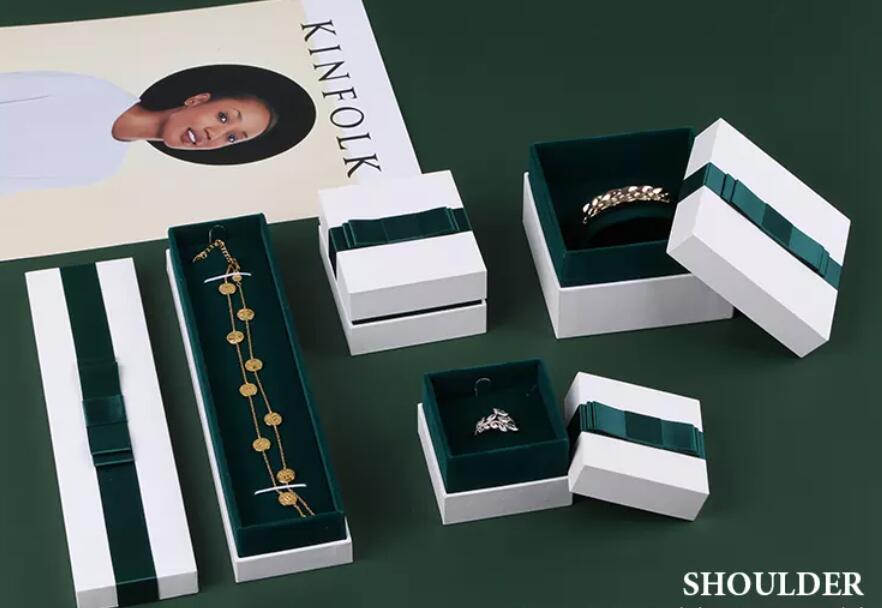
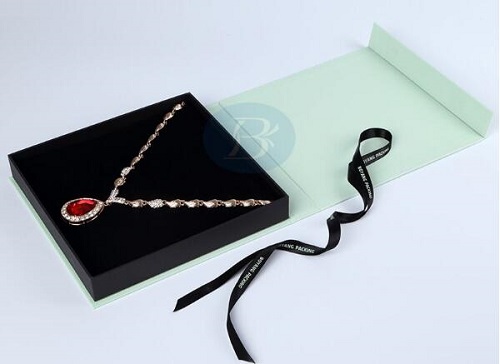
How to choose a jewelry pendant box? What are the requirements for a custom design?
May 30,2022
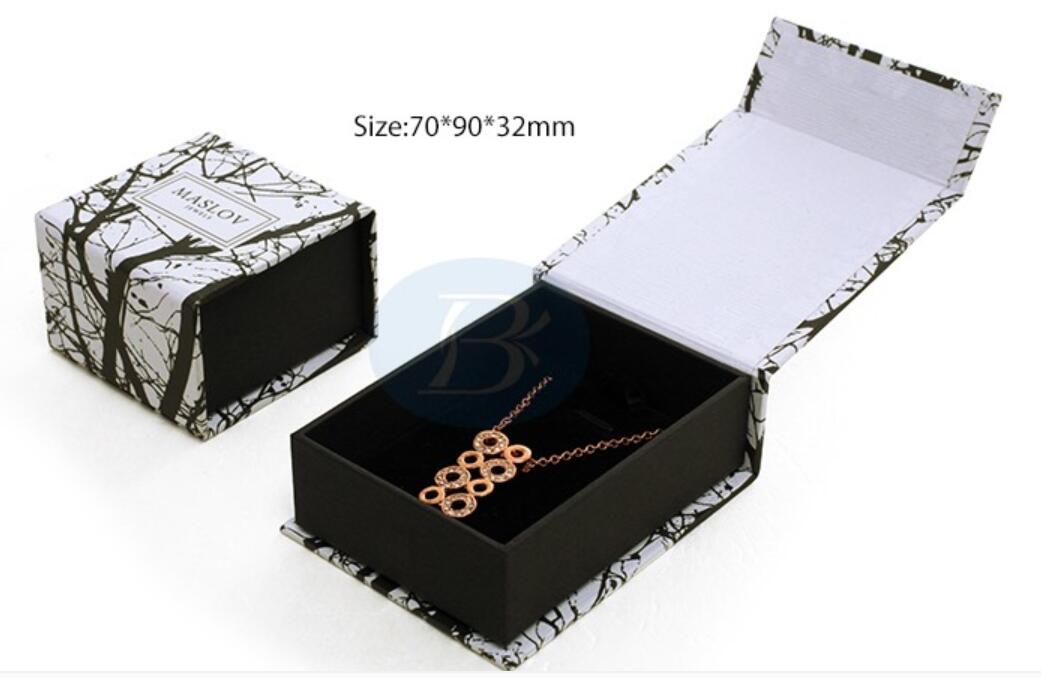
How to enhance brand value through jewelry packaging design?
Jan 13,2022
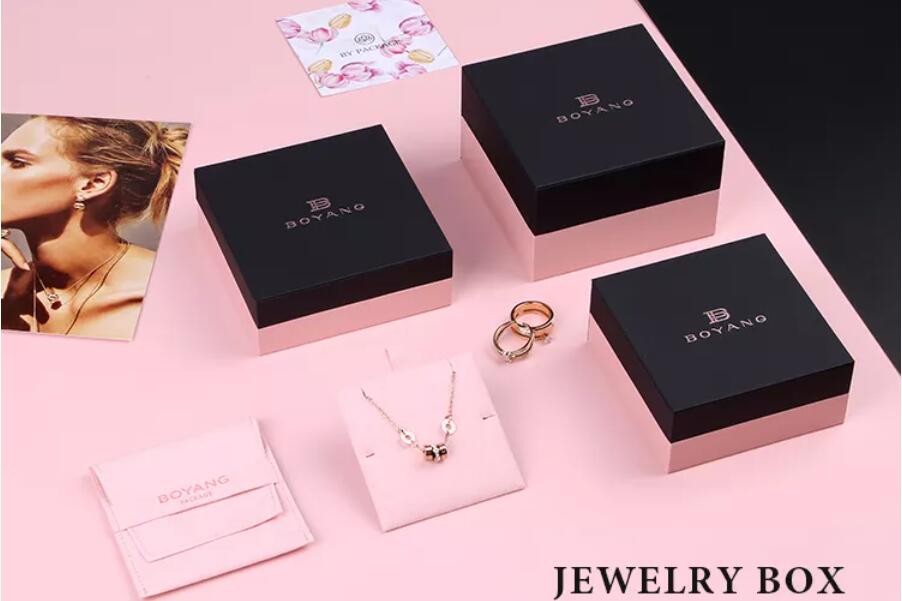
Black and Pink Jewelry Box Design Inspiration
Mar 05,2022
 You May Also Like

 Tel
Tel
 Email
Email
 Address
Bldg 5,Zhenbao Industrial Zone Longhua,Shenzhen,China

Boyang Packing
 Whatsapp