

 Inquire (
 HOME
HOMEDecoding 2026 Western Aesthetics: Trends Redefining Fine Jewelry Packaging
 Jun 19,2026

 BOYANGPACK
In the mature retail markets of Europe and the US, packaging has long transcended its role as a mere physical container for jewelry; it now serves as a visual manifesto of brand culture and aesthetic values. As we approach 2026, the consumption preferences of younger demographics are driving a transformation across the entire jewelry supply chain. "Quiet Luxury" and "Vintage Revival" have emerged as the two dominant aesthetic forces in the market. For brands expanding overseas or established local players in the West, partnering with high-quality jewelry box manufacturers to translate these abstract cultural concepts into tangible, premium packaging is a crucial battle in winning the loyalty of high-net-worth customers.
1. "Quiet Luxury": The Visual Psychology of the Post-Logo Era
High-net-worth individuals and younger consumers in the West are increasingly averse to "Logomania"—packaging characterized by ostentatious, oversized logos. Instead, they seek a luxury experience defined by understatement, restraint, and exclusivity.
In the practical execution of jewelry packaging, this trend manifests as a significant "reduction of visual noise" regarding color and layout.
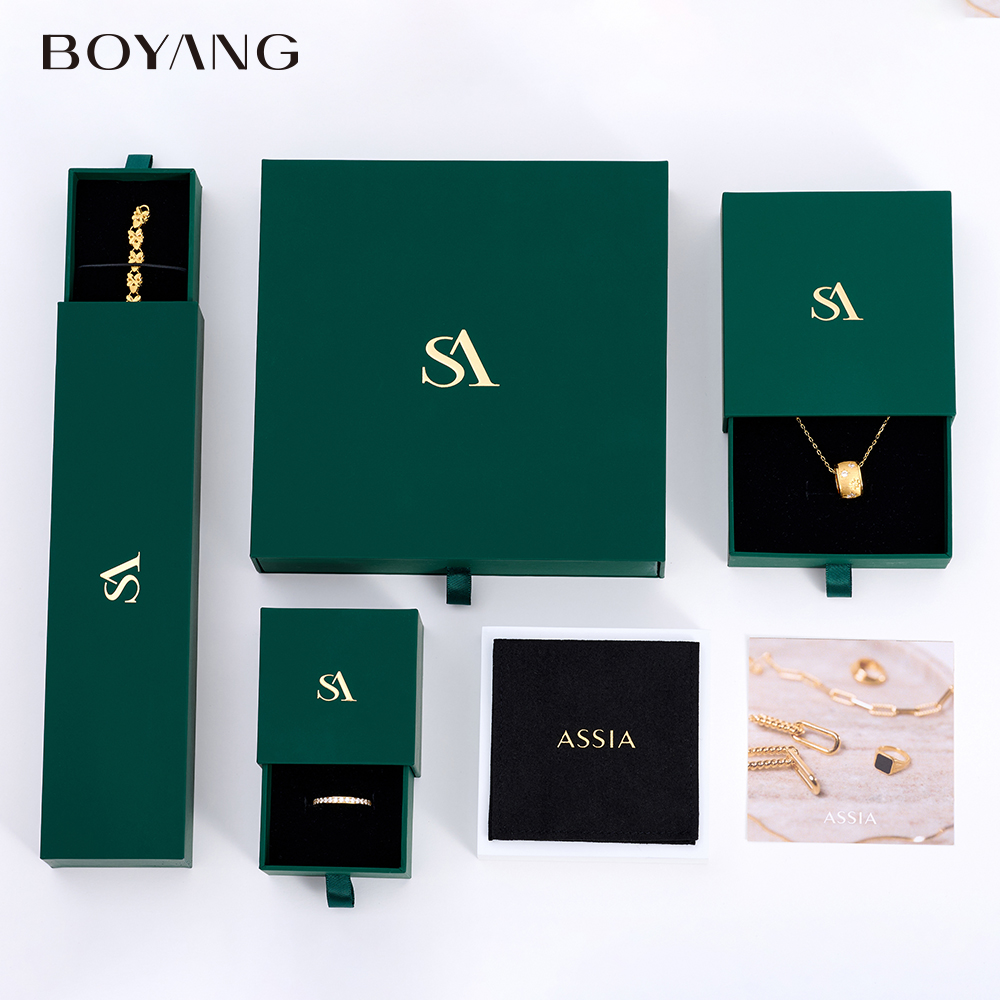
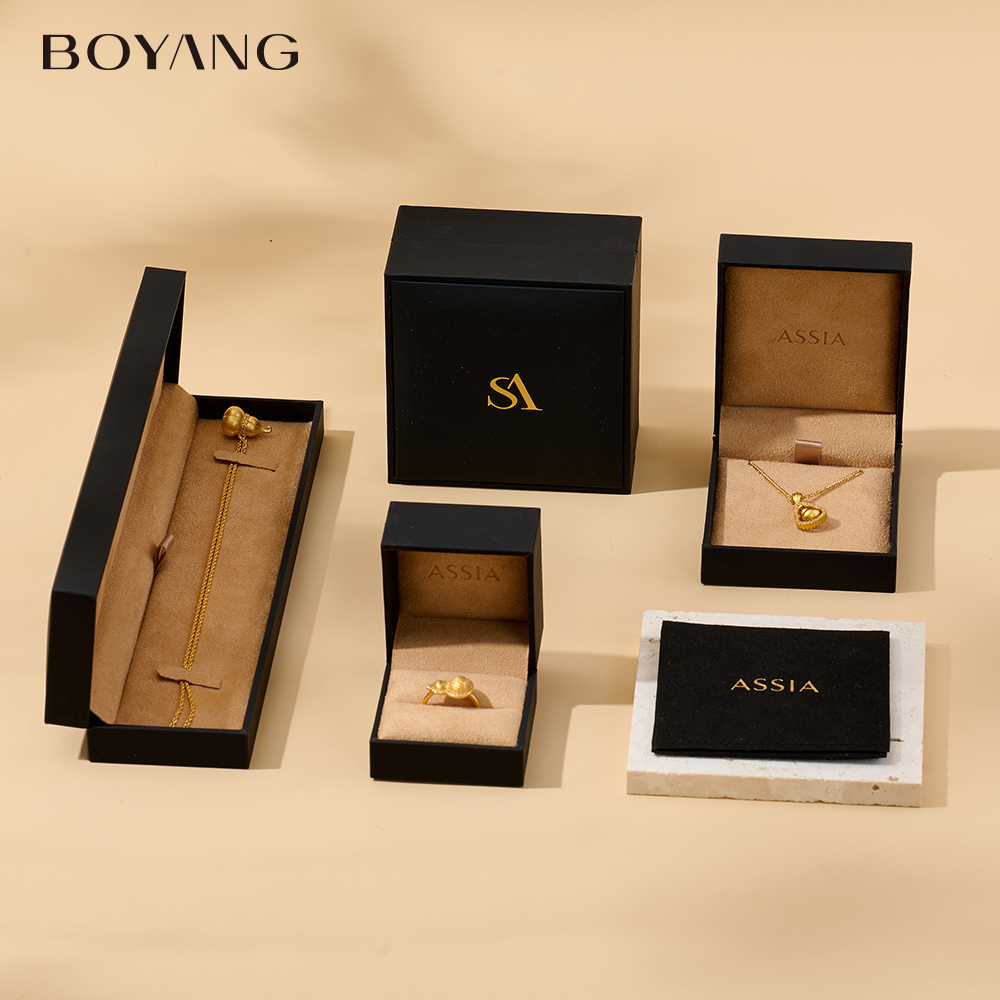
(1) Color Restraint: Brands are moving away from high-saturation, bright colors in favor of soft, muted tones—such as Sage Green, Taupe, or Dusty Rose.
(2) Minimalist Craftsmanship: "Blind Debossing" has become highly popular in Western markets. Eschewing flashy gold or silver foil, brands use tactile, matte-finish paper to create raised or recessed logos. This design approach conveys the heritage and sophistication of "Old Money" aesthetics through touch, embodying the principle that "silence speaks volumes."
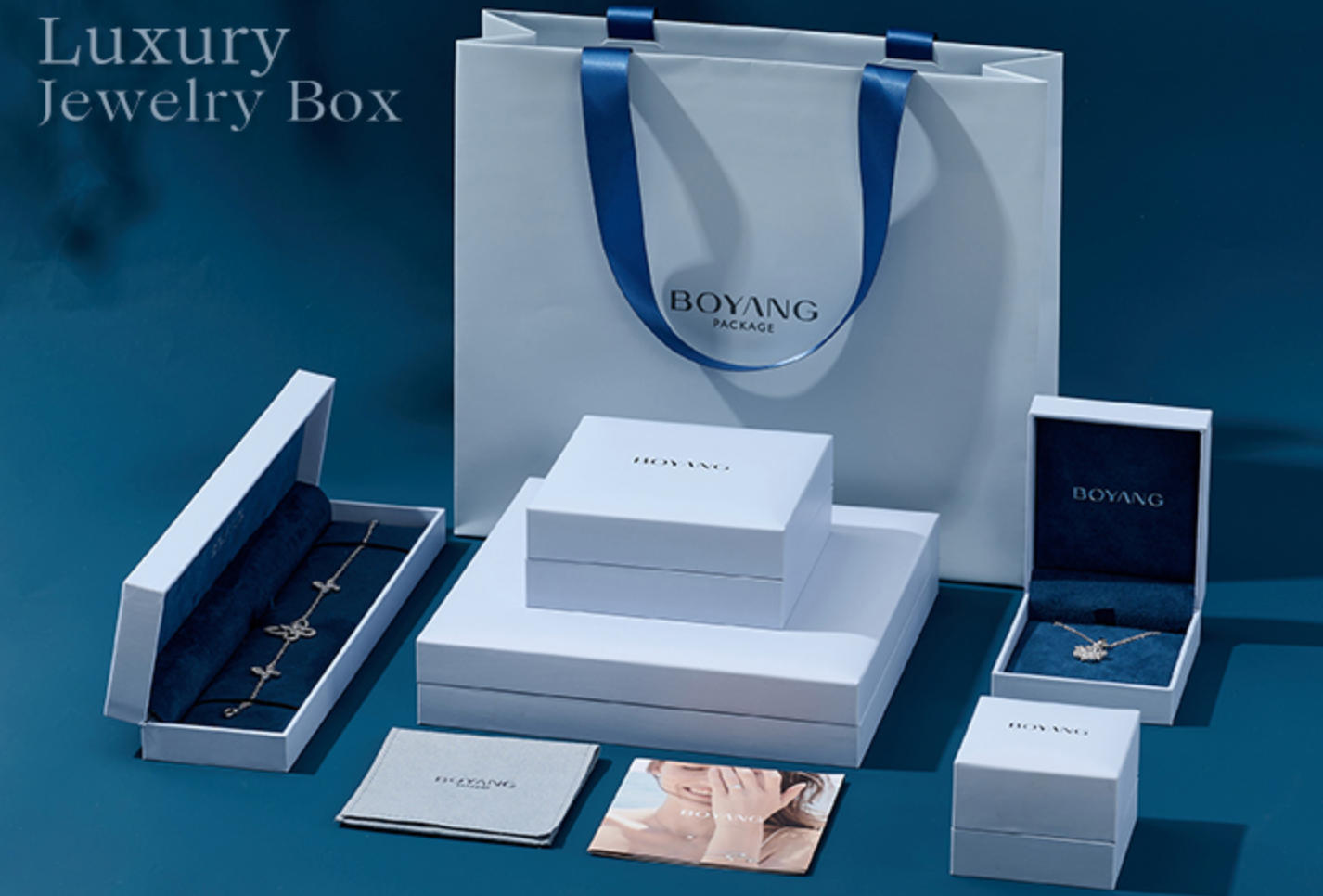
2. "Vintage Revival": Creating an Aesthetic Filter for "Heirlooms"
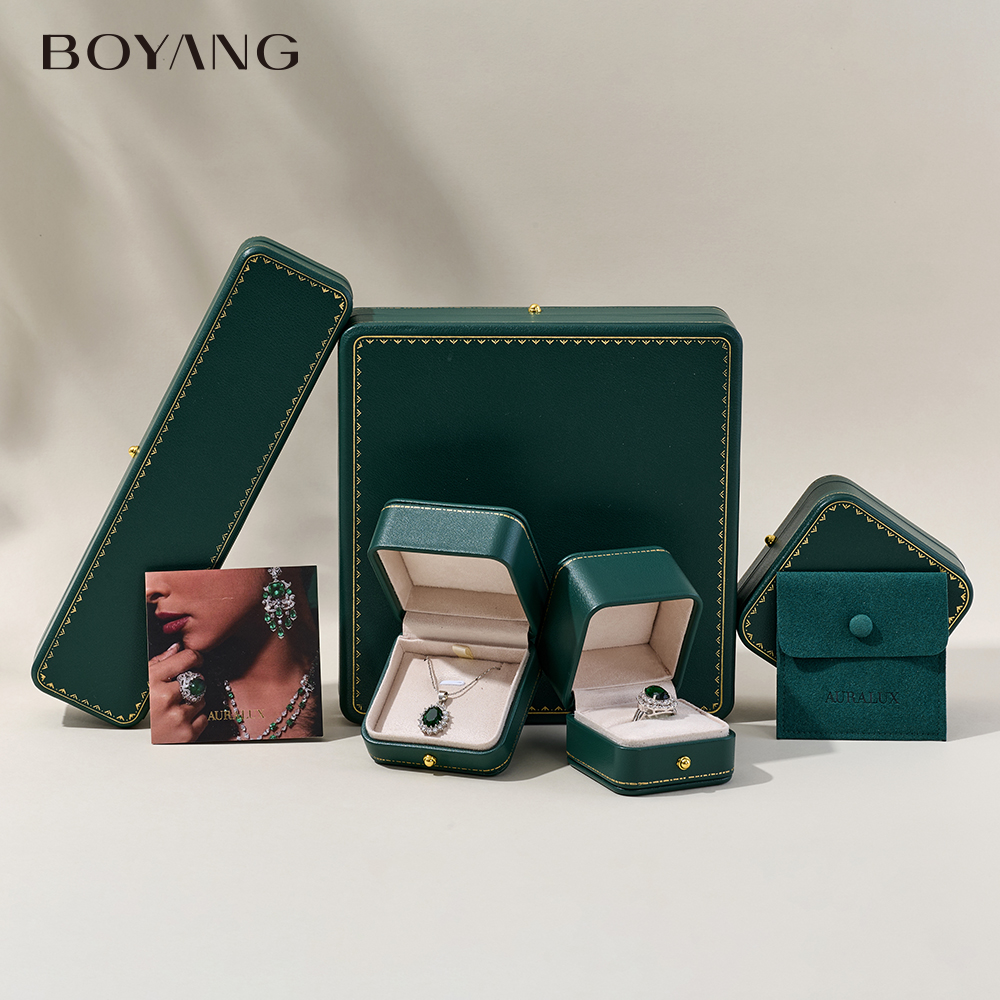
Influenced by period dramas like *Bridgerton* and broader pop culture trends, younger Western consumers have developed a passion for the intricate aesthetics of the Victorian era and the "archive" styles of the 1990s. What they crave is not merely a piece of contemporary jewelry, but an "heirloom"—something that feels as though it has been passed down through generations.
To evoke this sense of historical gravitas, leading jewelry box manufacturers have pioneered bold innovations in materials and hardware:
The Art of Distressed Finishes: Moving away from smooth, glossy fabrics, they utilize "distressed velvet"—featuring a mottled, textured appearance—paired with antique-style bronze hinges.
A Sense of Classical Ritual: Closure details incorporate custom metal wax seals or embossed Gothic family crests. These visual symbols, steeped in classical aesthetics, perfectly resonate with the overseas consumer's deep appreciation for vintage romanticism.
3. Catering to the Western E-commerce Ecosystem: Ultra-Slim "Letterbox-Friendly" Designs
In Western markets—particularly the UK and North America—the "Direct-to-Recipient" e-commerce gifting model is immensely popular. If a jewelry box is too bulky to fit through standard residential letterboxes, it results in exorbitant re-delivery fees and a disastrous user experience.
Consequently, an ultra-flat design has become an essential requirement for packaging destined for overseas markets.
Pushing Physical Limits: Skilled structural packaging engineers have optimized the thickness of high-density greyboard to create premium rigid cardboard jewelry boxes with a total thickness of under 2.5 cm (approx. 1 inch), ensuring they slide effortlessly through letterboxes.
Frustration-Free Unboxing: Embracing the popular Western concept of "Frustration-Free Packaging," brands are ditching hard-to-tear plastic tape in favor of minimalist, tear-strip cardboard shipping boxes, thereby completely redefining the Western e-commerce unboxing experience.
4. Bridging the Aesthetic Divide: Finding Manufacturing Partners Who Understand the "Western Design Context"
When Western brands seek supply chain partners in Asia, the greatest risk is often not the price point, but a fatal "aesthetic mismatch"—such as mistaking high-saturation "Chinese Red" for the specific shade of festive red preferred in overseas markets.
To stand out in international markets, brands must bridge this cultural divide. Selecting a jewelry box manufacturer with experience in serving overseas markets—and a deep understanding of Pantone color psychology and Western retail standards—is the only way to ensure your brand’s design vision is realized faithfully and precisely. Only a supply chain that truly grasps international aesthetics can create premium packaging that resonates across cultures.
 Giving Bespoke Jewelry Boxes a "Second Life": Reimagining Home Aesthetics
How can you efficiently collaborate with a jewelry box factory without design blueprints?
4 Tips to Acquire New Customers Fast!
Jun 20,2022
How to choose a jewelry pendant box? What are the requirements for a custom design?
May 30,2022
What are the advantages of cardboard jewelry boxes?
Apr 23,2022
 You May Also Like

 Tel
Tel
 Email
Email
 Address
Bldg 5,Zhenbao Industrial Zone Longhua,Shenzhen,China