Inquire (
 HOME
HOME5 Tips to Reduce the Cost of Custom Jewelry Packaging Boxes
 Dec 21,2025

 BOYANGPACK
When jewelry brand owners review their financial statements, the cost of custom jewelry packaging boxes often becomes a perplexing figure—it cannot be directly priced and sold like the jewelry itself, yet it significantly impacts profit margins and market competitiveness. Under the dual pressures of fluctuating raw material costs and rising consumer expectations, how to reduce this "necessary expense for beauty" has become a core issue for the healthy operation of a brand. Next, we share five tips to reduce the cost of custom jewelry packaging boxes, helping you achieve smart cost optimization while maintaining the quality and brand image of your custom jewelry packaging.
Tip 1: Precise Planning, Controlling Costs from the Design Source
The first step in cost control begins in the design planning stage. A well-thought-out custom jewelry packaging solution can effectively avoid much waste in subsequent production.
(1) Simplify Structural Design
While complex internal compartments, multi-layered drawer structures, and irregular cuts may have outstanding visual effects, they significantly increase mold opening costs, material waste, and manual assembly time. Adopting a classic single-layer or double-layer structure, while meeting core functional requirements, can significantly reduce processing complexity. For example, optimizing multiple independent internal slots into a single molded lining can both secure the jewelry and reduce lining processing costs by more than 30%.
(2) Standardized Size Series
Establish 2-3 standard-sized customized jewelry packaging box series, covering major product lines such as rings, necklaces, and bracelets. Standardization enables bulk procurement and tailored production of materials, reducing waste of raw materials such as paper and leather caused by varying sizes. For jewelry of special sizes, consider designing flexible modular linings for adaptation.
Tip 2: Optimizing Material and Process Combinations
Materials and processes typically account for more than 60% of the cost of customized jewelry packaging, making them a core element of cost reduction.
(1) Tiered Material Strategy
It is not necessary to use uniform high-cost materials for all product lines. A three-tiered material system can be established: high-end series use solid wood + genuine leather; main series use special art paper + high-quality PU leather; entry-level or promotional series use high-grammage cardboard + environmentally friendly velvet. This tiered strategy can meet the packaging needs of products at different price points while keeping the packaging costs of main products within a reasonable range.
(2) Utilizing Process Alternatives
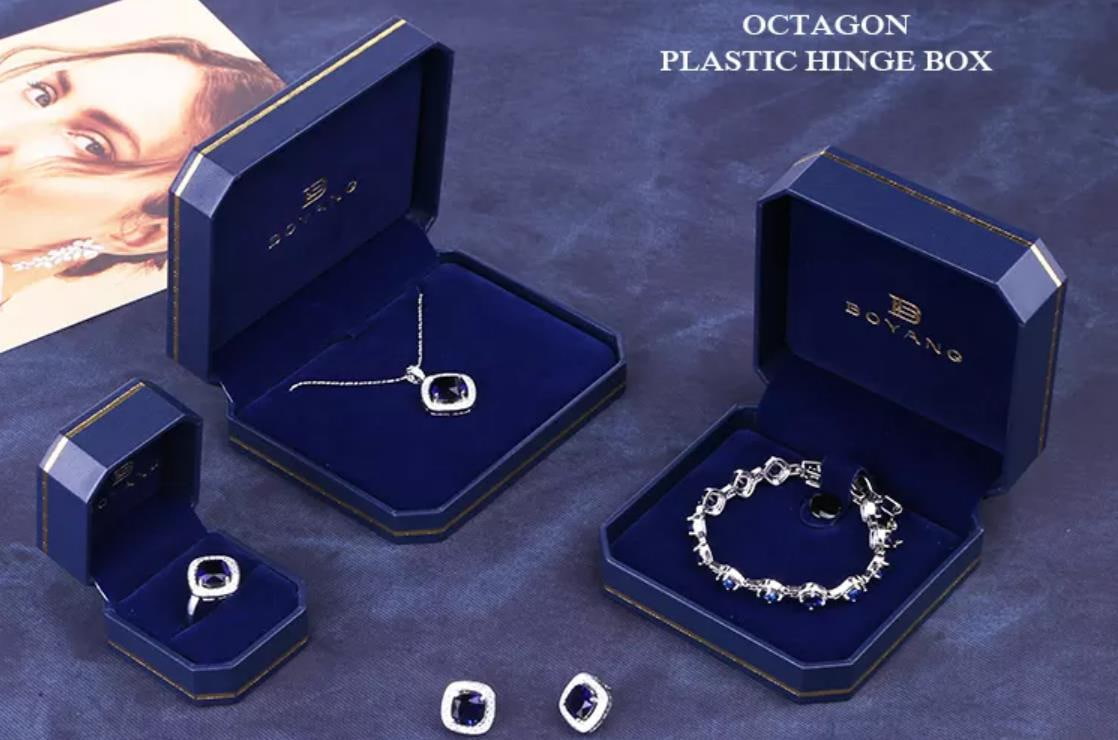
Expensive processes can be selectively applied. For example, if full-box hot stamping is too expensive, it can be replaced with partial hot stamping or embossing only on the brand logo or key lines, still highlighting the texture. Using tactile film instead of some specialty paper can achieve a leather-like texture while reducing material costs by about 20%.
Tip 3: Scientific Management of Production Quantity and Timing
Order quantity significantly impacts unit price; scientifically planning production batches can achieve economies of scale.
(1) Consolidating Orders and Centralizing Production
Consolidating the demand for customized jewelry packaging boxes from different product lines using the same basic box type and placing them with suppliers all at once. Increasing the order quantity from 500 to 2000 pieces usually yields a 15%-25% price discount. Simultaneously, establishing long-term partnerships with one or two core suppliers facilitates obtaining better annual quotes.
(2) Off-Season Stockpiling and Safety Stock
The packaging manufacturing industry typically experiences peaks and off-seasons. Placing orders during the industry's off-season (such as after the Spring Festival) not only allows for shorter delivery times, but suppliers may also offer more favorable prices to maintain production capacity. Simultaneously, establishing a 3-6 month safety stock of packaging based on sales forecasts avoids high rush fees incurred for last-minute expedited orders.
Tip 4: Deepen Supplier Cooperation and Localization Selection
Supplier selection and management directly impact final costs and quality.
(1) Shift from "Procurement" to "Collaborative Development."
Share the annual packaging budget and product planning with suppliers, and invite their engineers to participate in the design phase early. Experienced suppliers can offer optimization suggestions from a production perspective, such as recommending more cost-effective alternative materials and more efficient process combinations. These professional suggestions can often save 15%-30% of hidden costs.
(2) Consider Regional Supply Chains
Provide quality standards are met, consider high-quality suppliers in packaging industry clusters in Guangdong and Zhejiang, China. A complete industrial chain, mature technology, and competitive logistics costs can bring significant cost advantages to customized jewelry packaging boxes while maintaining quality comparable to international standards.
Tip 5: Systematic Cost Considerations and Long-Term Value Assessment
Cost reduction should not come at the expense of long-term brand value; a systematic assessment framework is needed.
(1) Calculate Total Cost of Ownership (TCO)
In addition to direct procurement costs, indirect costs such as warehousing, logistics, spoilage, and secondary packaging must also be calculated. A more compact, easier-to-assemble, and more durable custom jewelry box may have a lower total cost of ownership, even if the unit price is slightly higher.
(2) Balance Costs and Brand Equity
Packaging is a crucial brand touchpoint. Necessary investment should be maintained in the packaging of key product lines or flagship products to preserve brand identity. Cost control should focus on optimizing the packaging of the main products that account for 70% of sales, ensuring overall cost optimization without compromising the core brand experience.
Re-examining the cost structure of custom jewelry packaging is essentially a deep review of brand operational efficiency. It requires not simply cutting budgets, but building a more intelligent resource allocation capability. When you begin to view packaging costs strategically, optimization is no longer limited to a single procurement action, but evolves into a systematic approach that permeates product planning, supply chain collaboration, and brand management. This sophisticated negotiation about costs will ultimately give your jewelry brand greater control over both commercial quality and aesthetic expression.
 How to Choose a Chinese Jewelry Box Factory? Key Points for Sustainable Cooperation
What are the 8 steps in the custom jewelry box design process?
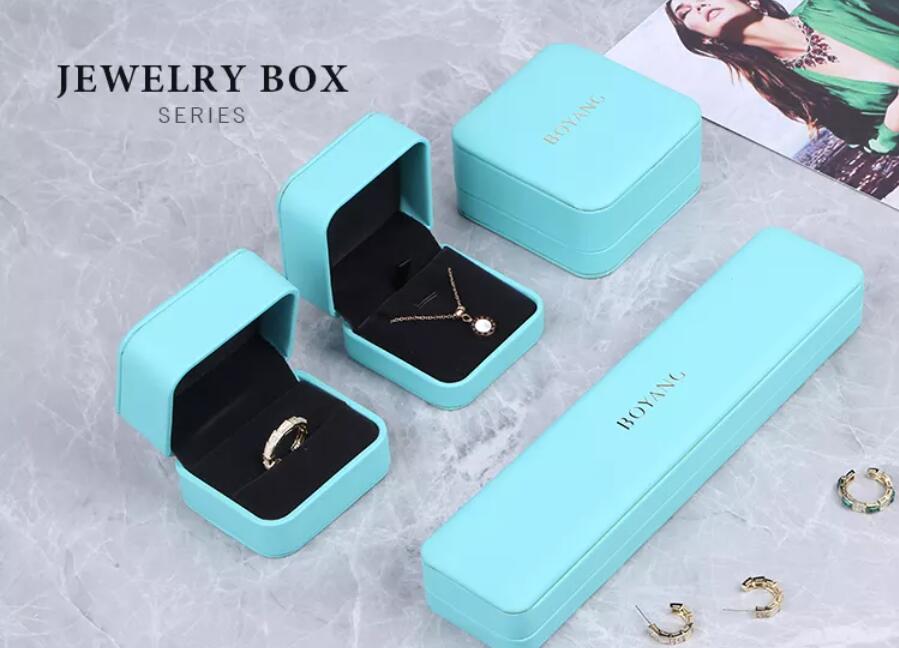
What materials are used in custom jewelry boxes?
Feb 20,2022
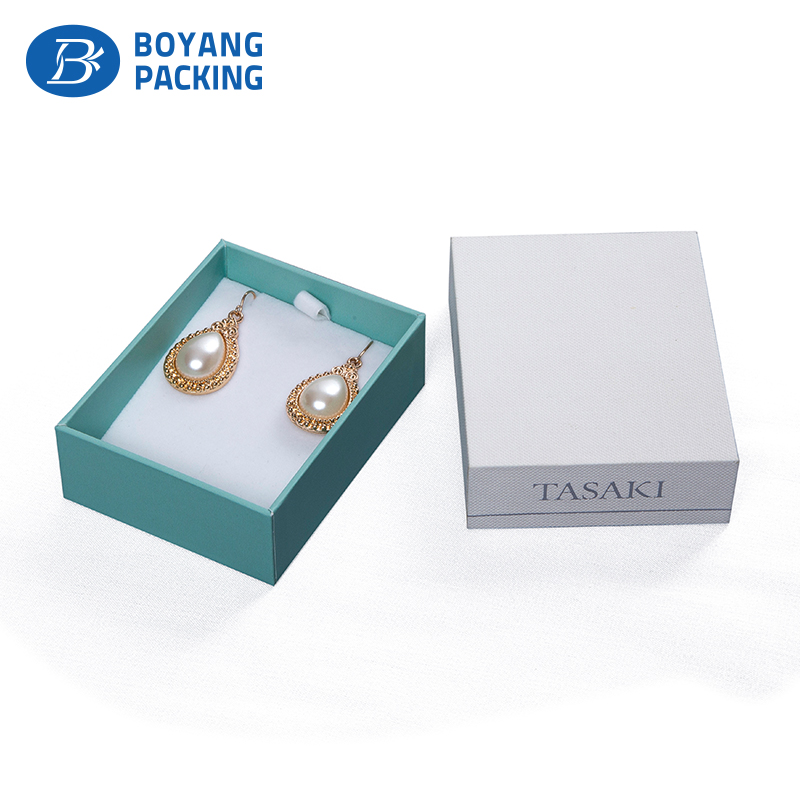
Selection of jewelry box manufacturers for plastic materials
Dec 25,2017
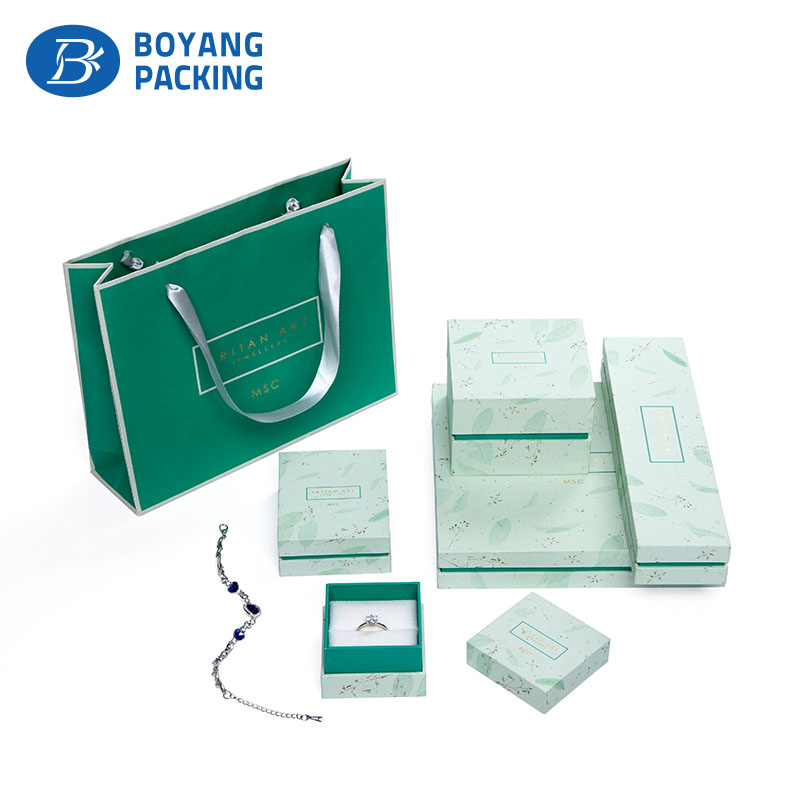
The design of jewelry boxes manufacturers for jewelry packaging
Dec 20,2017
Custom Jewelry Packaging: What are the Prices of Different Materials?
Dec 06,2025
 You May Also Like

 Tel
Tel
 Email
Email
 Address
Bldg 5,Zhenbao Industrial Zone Longhua,Shenzhen,China

Boyang Packing
 Whatsapp