20 years jewelry packaging manufacturer,
Serving 1000+brands,Passed ISO9001/BV/SGS


You can share
- Share to Facebook
- Share to Google+
- Subscribe to our
- Share to Linkedin
- Share to Twitter
You can share

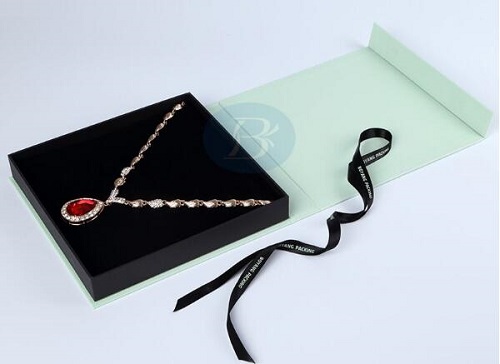
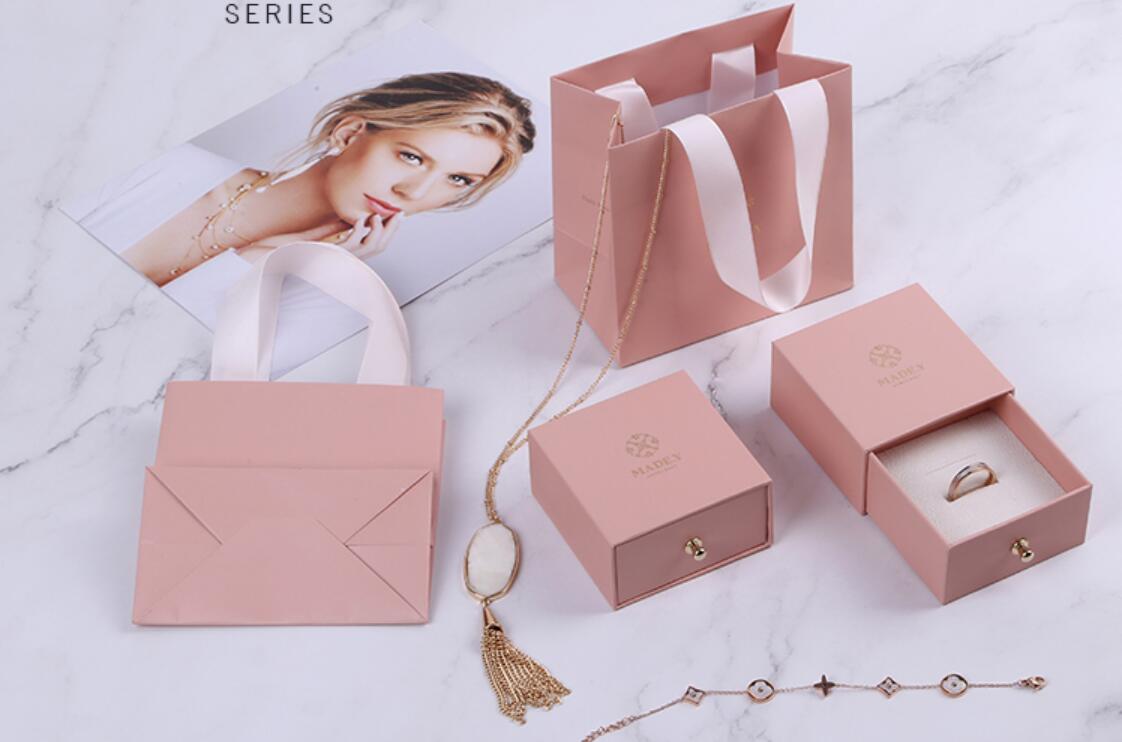
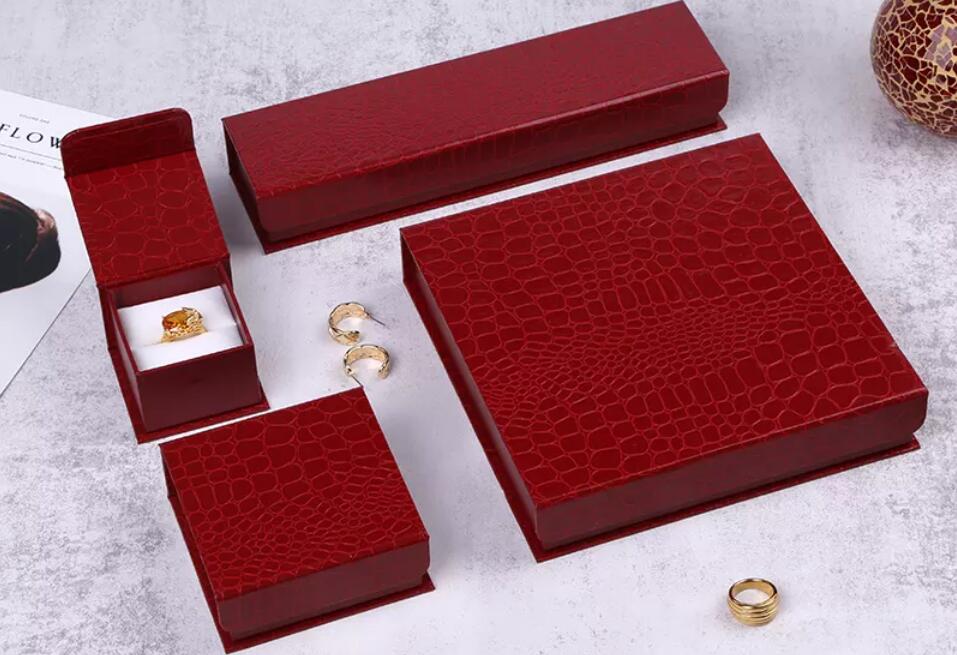
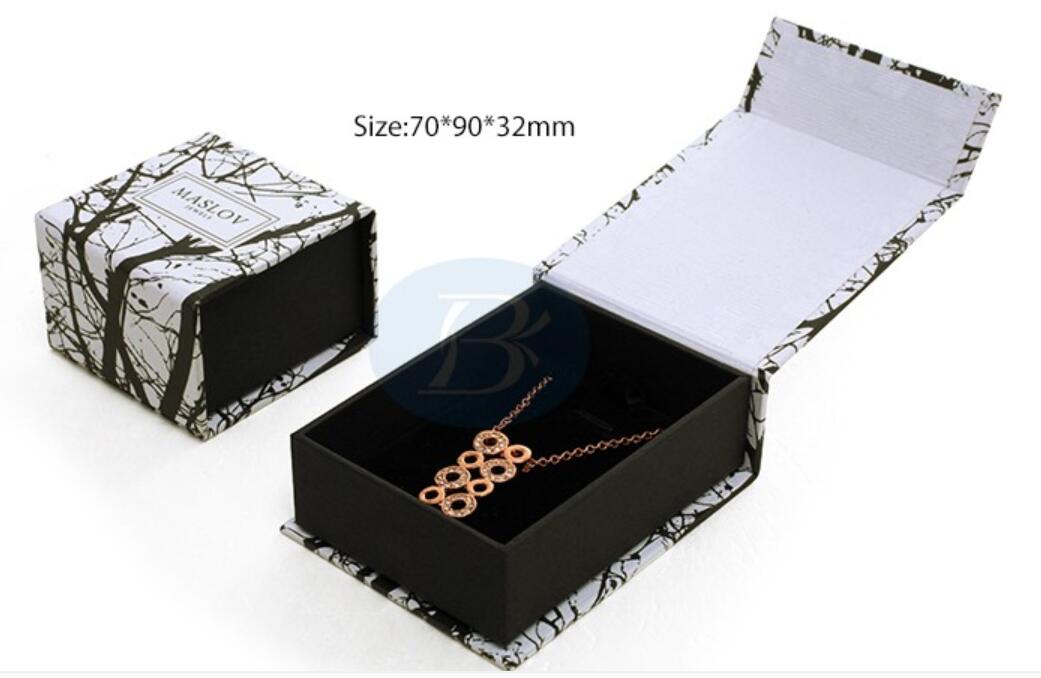
Sourcing Custom Bracelet Boxes directly from a manufacturer saves buyers an estimated 30% by eliminating middleman broker markups, subcontracting fees, and communication inefficiencies. Trading companies do not own production equipment; they outsource orders to third-party plants and add a profit margin to every unit. Partnering directly with an established Bracelet Boxes Manufacturer gives European and North American jewelry brands immediate access to factory-direct pricing, customized internal engineering for delicate chains or rigid bangles, and strict, independent quality control before shipment.
When sourcing packaging for a jewelry line, the supply chain model you choose directly dictates your profit margins. Many emerging brands and retail stores unknowingly place their orders through trading brokers found on international B2B directories.
While middlemen can appear responsive during initial inquiries, their involvement introduces layered costs and technical limitations. For specialized items like bracelet containers—which require elongated dimensions or custom collar inserts—working through an intermediary often leads to inflated quotes and compromised structural fit.
Understanding the financial and operational differences between a trading office and a direct manufacturing plant is the first step toward optimizing your procurement budget.
The estimated 30% cost premium associated with trading companies stems from their operational overhead and profit models. Because brokers lack physical production machinery, they operate as middlemen who buy from domestic factories and resell to overseas clients.
Every time a trading agent handles your specification file, a management markup is added to the unit price. Furthermore, brokers frequently charge inflated fees for custom prototyping and structural tooling, passing along the factory's base cost plus their own service surcharge.
When you order thousands of custom paper boxes for a new retail season, these compounded margins significantly erode your packaging budget. Direct factories eliminate this multi-tier pricing structure, billing you exclusively for raw materials, machine operation, and direct labor.

Bracelets present unique structural challenges compared to standard rings or earrings. The category spans rigid statement bangles, delicate tennis bracelets, and charm bracelets with irregular profiles. A standard, off-the-shelf square box with a basic foam pad is rarely sufficient to secure these pieces during international transit.
Rigid bangles require custom-engineered C-collar inserts or elevated cushions to hold the metal upright. Conversely, flexible chain bracelets require elongated channel layouts equipped with elastic retention loops or micro-snap closures to prevent tangling.
When structural requirements are relayed through a non-technical sales broker to a third-party factory engineer, critical dimensional tolerances are frequently lost in translation. Working directly with a manufacturer allows your team to communicate directly with structural packaging designers, ensuring your jewelry dimensions translate into precise CAD dielines on the first attempt.
Bypassing intermediaries provides tangible operational benefits that extend far beyond initial cost savings. Direct collaboration streamlines the entire manufacturing lifecycle:
Transparent Material Sourcing: Direct manufacturers grant you total visibility over raw material selection. You can specify exact paper weights, high-density EVA foam cores, and eco-friendly greyboard without worrying about an agent substituting cheaper materials to pad their own margins.
Rapid Prototyping and Tooling: An integrated factory utilizes in-house sample-cutting machines. Instead of waiting weeks for a broker to negotiate sample production with a subcontractor, a direct plant can cut, print, and assemble a physical prototype in just a few days.
Accountable Quality Assurance: Trading companies rarely employ dedicated inspectors, relying instead on verbal assurances from their subcontracted workshops. A certified factory maintains an internal quality control apparatus that audits raw materials, printing registration, and box rigidity before export cartons are sealed.
Achieving consistent quality and low unit costs requires partnering with a facility that operates at significant scale. Small workshops and brokers simply cannot achieve the raw purchasing power required to secure premium specialty papers and adhesives at discounted rates.
Since 2004, our company has operated as an integrated packaging partner combining custom design, automated manufacturing, and global export services under one management system. Our self-owned 12,000-square-meter facility is powered by over 300 personnel, allowing us to sustain a daily production capacity of 150,000 paper boxes and 180,000 plastic boxes.
To ensure high-volume orders maintain absolute structural precision, our plant integrates a dedicated 10-person R&D engineering team alongside a 36-person quality inspection division. Whether you require an elongated container for a luxury tennis bracelet or a comprehensive jewelry packaging set for an upcoming retail collection, our active ISO9001, BV, and SGS certifications guarantee that every box is manufactured to strict international standards without middleman markups.
Before transferring funds or sharing confidential brand artwork, procurement managers should actively verify whether an overseas supplier is a direct manufacturer or a trading intermediary:
Request a Live Video Facility Audit: Ask the sales representative to host a live video call from the active production floor, showing folding machinery, die-cutting equipment, and raw material warehousing.
Examine Quality Certificates: Request official copies of ISO9001, BV, or SGS certificates and cross-reference the registered corporate name against the local business registry to confirm the scope includes physical manufacturing.
Check Custom Sample Speed: Inquire about lead times for structural blanks. A direct factory with in-house R&D can typically produce an unprinted structural prototype within 3 to 5 working days, whereas brokers often require 10 days or more.
Evaluate Technical Responsiveness: Ask complex technical questions regarding greyboard moisture content or adhesive viscosity. Factory engineers can answer these immediately, while brokers must delay communication to consult their subcontracted suppliers.
Eliminating middleman costs allows you to reinvest your budget into premium finishes, superior insert materials, and better retail branding. Visit our home page to explore our direct manufacturing infrastructure, or contact our engineering team today to request a direct quotation and custom physical samples.
Why are custom bracelet boxes generally more expensive than standard ring boxes?
Bracelet containers require significantly larger surface areas of rigid greyboard and wrapping paper. Additionally, securing a long chain or a rigid bangle requires specialized internal tooling—such as custom velvet collars or elongated foam channels—which involves more complex die-cutting than a simple ring slot.
Can a direct factory ship my bulk packaging order directly to my warehouse?
Yes. Established manufacturing plants maintain dedicated export logistics departments. They can quote Incoterms such as FOB (Free on Board) to your freight forwarder or provide DDP (Delivered Duty Paid) service, handling all ocean freight, customs clearance, and inland trucking directly to your North American or European facility.
What is the typical Minimum Order Quantity (MOQ) when ordering factory-direct?
For fully customized rigid paper bracelet packaging, standard factory MOQs typically start at 1,000 to 3,000 units per design. This volume is necessary to calibrate automated box-forming machinery and achieve the economies of scale that provide your 30% cost savings.
How does a factory ensure bracelet inserts do not degrade over time?
Direct manufacturers utilize high-density EVA foam covered in premium velvet or microfiber rather than standard, low-density sponge. This ensures the insert retains its mechanical structure and friction grip, preventing the bracelet from sinking or coming loose during long-term storage or retail display.